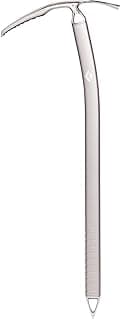
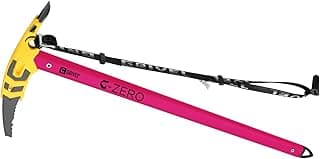
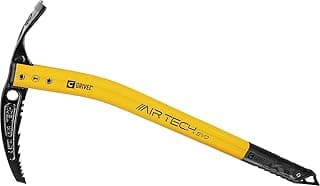
Buying Guide: Best Ice Axe Lightweight
When searching for the best ice axe lightweight option, many climbers and mountaineers worry about balancing low weight with enough strength for steep ice or mixed routes. It's common to question if a lighter axe will hold up in real conditions or feel too flimsy. This guide breaks down key factors to help you choose based on your typical terrain and trips.
Weight and Balance
Weight directly affects how easily you carry and swing the axe over long approaches or multi-day outings. Lighter axes, often under 400 grams, reduce fatigue for technical routes where every gram counts.
- If you prioritize speed on moderate glacier travel, aim for 300-450 grams.
- For steeper ice, test the balance—head-heavy designs swing better without adding much weight.
- Avoid axes below 250 grams unless you're experienced, as they can flex excessively in hard ice.
Shaft Material and Length
The shaft material determines flex, durability, and grip in cold, wet conditions. Lightweight carbon or aluminum shafts save weight but behave differently in use.
- Choose carbon fiber if you need maximum lightness for summer alpinism—it dampens vibrations well.
- Opt for aluminum if budget matters or you expect rock contact, as it's more impact-resistant.
- Length-wise, 50-60 cm suits most users for self-arrest and swinging; shorter for vertical ice, longer for snow.
Match length to your height and style: if you're under 5'8", shorter shafts prevent awkward swings.
Pick and Head Design
The pick penetrates ice effectively, while the head provides chopping power. Lightweight designs often feature curved or modular picks for versatility without bulk.
- Curved picks work well for steep ice placement; straight for general mountaineering.
- Look for modular heads if you swap between ice and mixed climbing.
- Ensure the pick tapers to 3-4 mm at the tip for secure sticks without excessive weight.
In most cases, a drop-forged head offers reliable strength for lightweight axes.
Leash and Grip Features
A good leash prevents drops on traverses, and ergonomic grips reduce hand strain during prolonged use.
- Adjustable leashes with quick-release are ideal for varying swing styles.
- Rubberized or cork grips stay secure when wet; avoid slick plastic in variable weather.
If you climb in gloves, prioritize textured grips over smooth ones for better control.
Durability and Certifications
Lightweight doesn't mean fragile—check for certifications like UIAA/BII that verify hold strength in falls.
- Test for shaft flex under load; too much indicates potential failure on high-consequence terrain.
- Reinforced spike ends protect against rock abrasion.
For most users, certified axes provide peace of mind without added weight.
Price and Value
Expect to pay $150-300 for a solid lightweight ice axe. Higher prices often buy better materials and certifications.
If you're starting out on moderate routes, mid-range options deliver reliable performance. Invest more if technical ice is your focus, as skimping here risks safety.
Best Ice Axe Lightweight FAQ
What is the best lightweight ice axe for general mountaineering?
The best lightweight ice axe balances weight under 400 grams with solid durability for snow and ice climbing. In most cases, models with a curved shaft and ergonomic grip excel for technical terrain without feeling flimsy. Prioritize one certified for safety if you're heading into mixed conditions.
How much does a good lightweight ice axe cost?
Expect to pay between $100 and $200 for a reliable lightweight ice axe that won't compromise on performance. Cheaper options under $80 often lack the strength for serious use, while premium picks justify the price with better materials and warranties. Factor in your skill level—beginners can save by starting with mid-range models.
Are lightweight ice axes safe for steep ice climbing?
Yes, the best lightweight ice axes are rigorously tested for safety and hold up well on steep ice if chosen correctly. Look for ones with a sharp pick and reinforced head to ensure secure placements, but always match the weight savings to your experience—too light might flex under heavy swings. Regular sharpening and proper technique keep risks low in real-world use.
How do you install or attach a lightweight ice axe for use?
Attaching a lightweight ice axe is straightforward: secure the leash to your wrist or harness with the provided loop, then slide your hand through the grip shaft for control. For carrying, clip it to your pack's axe loops diagonally or use dedicated holders to prevent swinging. Practice self-arrest positions beforehand to get comfortable with its balance.
How does a lightweight ice axe compare to heavier traditional models?
Lightweight ice axes save 200-300 grams per axe, making long approaches less tiring compared to heavier traditional ones over 500 grams. They perform nearly as well in self-arrests and moderate ice work but may fatigue faster on prolonged hammering versus beefier models. Choose lightweight if mobility matters more than brute force in your typical terrain.
Conclusion
Choosing the best ice axe lightweight comes down to balancing weight, durability, and your specific climbing needs. Prioritize models with ergonomic grips, reliable picks, and minimal heft for all-day comfort on steep ice or mixed routes.
You now have the insights to make a confident decision without guesswork. Consider how each option aligns with your adventures, and select the one that enhances your safety and performance. Gear up thoughtfully for your next ascent.