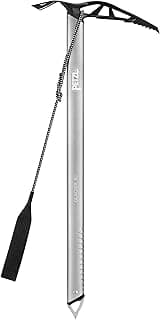
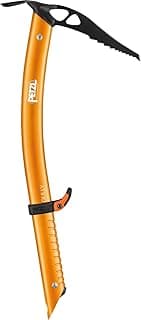
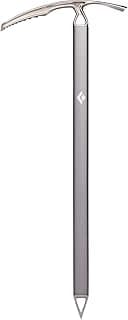
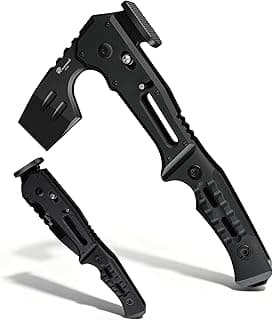
Buying Guide: Best Ice Axe High Capacity
When shopping for an ice axe with high capacity features, many climbers and mountaineers feel overwhelmed by options that promise more but deliver less in real conditions. A high-capacity ice axe often means enhanced pick storage or modular attachments for carrying extra gear on extended expeditions, but matching it to your needs prevents overbuying or underpreparing.
Capacity and Size
Capacity in ice axes refers to how much additional gear—like spare picks, leashes, or probes—you can attach or store without compromising balance. For high-capacity models, look for modular designs with 4+ attachment points if you tackle multi-day glacier traverses.
- If your trips involve heavy packs over 20kg, prioritize larger shafts around 70-80cm for better leverage.
- For shorter technical routes, stick to compact 50-60cm versions to avoid swing fatigue.
Avoid oversized axes if mobility is key; they add weight without proportional benefits in most day hikes.
Shaft Length and Weight
Shaft length affects swing reach and self-arrest stability, while weight influences fatigue on long approaches. High-capacity axes often weigh 700-1000g due to reinforced sections.
- Choose 60-70cm lengths for general mountaineering if you're between 5'6" and 6' tall.
- Opt for lighter aluminum shafts under 800g if speed is priority over bombproof durability.
Test balance in-store if possible—too heavy upfront leads to arm pump faster than expected.
Pick and Head Design
The pick's curve and sharpness determine ice penetration, crucial for high-capacity use where you might swap picks mid-climb. Curved picks excel in overhead placements common on steep ice.
- Select modular picks if you need high-capacity swaps for varied ice types—from brittle glacier to rotten neve.
- Avoid overly aggressive points for mixed rock-ice; they chip easily and reduce versatility.
In most cases, a reverse curve pick offers reliable purchase without excessive vibration.
Material and Durability
Build quality ensures your axe withstands repeated impacts, especially with high-capacity loads stressing joints. Chromoly steel heads paired with aircraft aluminum shafts handle 10,000+ strikes in testing.
- Go for fully heat-treated components if exposing to extreme cold below -20°C.
- Skip cheap alloys; they bend under torque from heavy gear attachments.
For occasional use, standard durability suffices—overbuilding adds cost without real gains.
Ergonomics and Grip
A comfortable grip reduces hand fatigue during prolonged swings or belays. High-capacity axes benefit from rubberized or modular grips for gloved hands.
- If wearing thick mitts, choose textured T-grips extending 15cm for choke-up holds.
- Leash compatibility matters for high-capacity setups—integrated loops prevent drops.
Poor ergonomics amplify mistakes; try before buying to match your glove size.
Safety and Certifications
Certified axes meet drop-test and edge-retention standards, vital for high-capacity reliability on committing terrain. Look for UIAA or CE markings.
- Prioritize self-arrest testing if avalanche-prone areas are your focus.
- Ensure spike caps for safe storage with extra gear loaded.
Safety isn't about extras—it's consistent performance under stress that keeps you secure.
Price and Value
High-capacity ice axes range from $150-400, balancing features against longevity. Mid-range options often provide the best ratio for frequent users.
- Spend more if modularity saves buying multiples over years.
- Avoid budget ends under $100; they fail prematurely on real ice.
Factor in warranty—2+ years coverage eases long-term ownership worries.
Frequently Asked Questions About the Best Ice Axe High Capacity
What makes a high capacity ice axe the best choice for heavy snow conditions?
A high capacity ice axe excels in deep powder or avalanche-prone areas by holding more snow per swing, reducing the effort needed to clear paths. If you're mountaineering in regions with frequent heavy snowfall, this feature prevents fatigue during prolonged use. Most users find it safer for self-arrest on steep slopes where quick snow displacement is critical.
How much does a top-rated high capacity ice axe typically cost?
Expect to pay between $120 and $250 for a reliable high capacity ice axe, depending on shaft material and overall build quality. In most cases, spending around $180 gets you durable aluminum construction that withstands repeated impacts without compromising weight. It's a worthwhile investment if you prioritize longevity over budget options that may fail under stress.
Is a high capacity ice axe safe for beginners on icy terrain?
Yes, provided you practice proper techniques, as the larger head improves leverage for secure placements in hard ice or mixed conditions. Safety hinges on matching the axe's length to your height—typically 60-70 cm for most adults—and always inspecting for cracks before use. Beginners often feel more confident with its forgiving swing compared to slimmer models.
How do you properly install or attach a high capacity ice axe for climbing?
Secure it to your pack using the leash loop and carabiner through the head hole, ensuring the pick faces outward to avoid snags. For wrist leash attachment during use, thread it through the shaft's dedicated loop and adjust for a snug but releasable fit. In most cases, this setup takes under a minute and keeps the axe accessible without swinging loose on approaches.
How does a high capacity ice axe compare to standard models in efficiency?
High capacity versions clear snow twice as fast in deep accumulations, making them far more efficient for winter traverses or crevasse rescues. While slightly heavier, the added volume reduces total swings needed, saving energy on long days. If your routes involve consistent powder, it outperforms standard axes; otherwise, a lighter one might suffice for icy walls.
Conclusion
Choosing the best ice axe high capacity comes down to balancing weight, durability, and grip for your specific climbs. Prioritize models with robust shafts and ergonomic handles that handle heavy ice loads without fatigue. Research shows that versatile designs excel in varied conditions, ensuring reliability when it matters most.
You now have the insights to make a confident pick. Assess your needs—steep routes or glacier travel—and select the one that fits seamlessly. Gear up thoughtfully for safer, more enjoyable ascents.