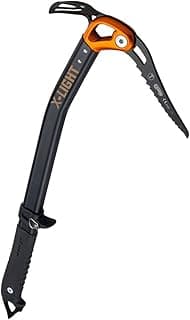
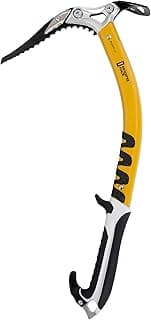
Buying Guide: Best Ice Axe Heavy Duty
Many climbers and mountaineers searching for a best ice axe heavy duty option feel overwhelmed by the choices, especially when balancing durability for tough conditions against weight for longer trips. The good news is that focusing on a few key factors can simplify your decision and ensure the tool matches your actual needs without unnecessary expense or compromise on safety.
Shaft Material and Strength
The shaft is the backbone of any heavy-duty ice axe, bearing the brunt of impacts on ice and rock. In real use, a strong shaft prevents bending or snapping during self-arrest or intense swinging, which is critical in steep terrain.
- Opt for aircraft-grade aluminum for a balance of strength and lighter weight if you prioritize mobility on multi-day climbs.
- Choose steel if you need maximum durability for frequent heavy pounding, though it adds weight.
- Avoid thin-walled shafts under 18mm diameter for demanding routes, as they risk failure under repeated stress.
Pick Design and Penetration
The pick's shape affects how well it bites into ice, directly impacting control during steep ascents or descents. A well-designed pick reduces swing effort and fatigue over long sessions.
- Go for a curved or reverse-curved pick if you tackle overhanging ice, as it hooks better for security.
- Select a straight pick for general glacier travel, offering reliable penetration without excess drag.
- If your routes involve mixed rock and ice, then prioritize a modular pick system for easy sharpening or replacement in the field.
Weight and Balance
Heavy-duty doesn't mean excessively heavy; the right weight distribution makes the axe feel like an extension of your arm, reducing swing fatigue. Most users find 50-70 oz (1.4-2 kg) suitable for technical ice without overburdening your pack.
- For most alpine climbers, aim for a center of balance near the head to improve placement accuracy.
- Lighter axes under 55 oz work well if you pair them with leashes or hammers for extended use.
- Test swing weight in-store if possible—heavy heads excel in chopping but can tire you on vertical routes.
Length and Sizing
Axe length influences swing reach and self-arrest leverage. Getting it wrong can lead to awkward handling or reduced safety margins.
- Choose 50-60 inches (127-152 cm) for general mountaineering, matching your height for efficient probing.
- Shorter 45-50 inches lengths suit steep ice or technical climbing, allowing better overhead swings.
- If you're under 5'6", then lean shorter to avoid overreaching; taller users benefit from longer shafts for stability.
Handle Grip and Ergonomics
A comfortable grip prevents slippage in cold, wet conditions and minimizes hand fatigue during prolonged use. Rubber or plastic overmolds provide traction without freezing to gloves.
- Look for textured, modular grips if you swing between ice and rock frequently.
- Avoid smooth metal-only handles in sub-zero temps, as they promote blisters and poor control.
- For heavy-duty tasks, ensure the grip extends fully to the head for choking up on precise placements.
Durability Features and Maintenance
Heavy-duty axes endure abuse, so features like reinforced heads and corrosion-resistant coatings extend lifespan. Regular inspection avoids field failures.
- Prioritize fully heat-treated components for resistance to chipping.
- Check for secure head-to-shaft connections, like multiple screws, if you expect high-impact use.
- In most cases, a leash attachment point and spike cover simplify transport and storage without extra gear.
Certifications and Safety Ratings
While no axe is indestructible, certifications confirm it meets industry drop-test and strength standards, giving peace of mind on committing terrain.
- Seek models tested to UIAA or CE B-rated standards for technical ice work.
- For recreational glacier travel, Class 1 ratings suffice without the premium cost of technical models.
- Always match certification to your activity—if steep ice, then don't skimp on rated gear.
Best Ice Axe Heavy Duty FAQ
What makes a heavy duty ice axe the best choice for tough conditions?
A heavy duty ice axe stands out for its reinforced steel head and thick shaft that handle extreme impacts without bending or cracking, ideal for glacier travel or steep ice walls. In most cases, it offers better leverage for chopping through hard ice compared to lighter models, reducing fatigue on long expeditions. Choose one with a certified rating if you're prioritizing reliability in demanding winter mountaineering.
How much does a good heavy duty ice axe cost?
Expect to pay between $150 and $300 for a reliable heavy duty ice axe, depending on shaft material like aluminum or steel and added features such as ergonomic grips. If you're using it professionally or in harsh environments, the higher upfront cost pays off through durability that lasts multiple seasons. Budget options around $100 might work for casual use but often lack the strength for heavy-duty tasks.
Is a heavy duty ice axe safe for beginners?
Yes, a heavy duty ice axe is safe for beginners when properly sized—typically 50-70 cm for most users—and paired with training on self-arrest techniques. Its robust construction provides extra security on steep terrain, but always inspect for damage before each use and practice in controlled areas. Safety improves if it meets industry strength standards, giving peace of mind during early climbs.
How do you install or attach a heavy duty ice axe for use?
Most heavy duty ice axes attach via a simple wrist leash that loops through the shaft's eyelet, secured with a carabiner to your harness for quick access. For carrying, slide it diagonally across your pack with the pick facing down and spike covered to avoid injury. If mounting to a backpack, use padded loops to protect the shaft—no special tools needed beyond basic knots.
How does a heavy duty ice axe compare to lighter models for efficiency?
A heavy duty ice axe excels in efficiency for deep ice or overhead swings where its weight delivers more penetrating power per strike, saving energy overall. Lighter axes are quicker for general walking but fatigue faster in prolonged heavy chopping. Opt for heavy duty if your routes involve thick ice or crevasse rescue, as it balances power with control better in those scenarios.
Conclusion
When selecting the best ice axe heavy duty option, prioritize shaft strength, pick sharpness, and ergonomic grip for reliable performance in tough conditions. These core features ensure durability and safety on steep ice or mixed terrain.
You now have the insights to make a confident choice tailored to your needs. Consider your climbing style and intended use, then pick the model that aligns best with your adventures. Gear up responsibly and stay safe out there.