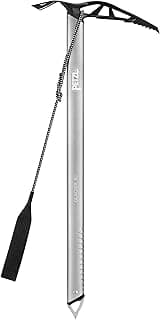
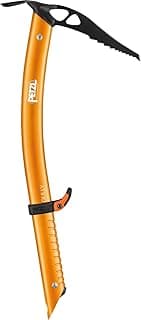
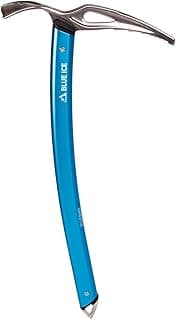
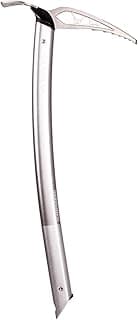
Buying Guide: Best Ice Axe for Women
Choosing an ice axe can feel overwhelming, especially if you're a woman new to mountaineering or ice climbing and worried about finding gear that fits comfortably without compromising safety or performance. Many shoppers hesitate over sizing, weight, and whether a women's-specific model makes a real difference in the field.
Shaft Length
Shaft length affects swing control, self-arrest capability, and overall handling during ascents or descents. For most women, who often have shorter torsos and arms, a shorter shaft improves maneuverability and reduces fatigue on steep terrain.
- If your height is under 5'6", opt for a shaft around 50-60cm for better balance in technical ice climbing.
- Taller users or those prioritizing self-arrest on snow slopes may prefer 65-70cm.
- Avoid overly long axes if you're pairing it with a pack—they can snag and throw off your center of gravity.
Weight and Balance
Lighter axes reduce arm pump on multi-pitch routes, making them practical for extended outings where every gram counts. Women frequently benefit from models under 500g, as they allow quicker swings without sacrificing penetration power.
- Choose modular designs with interchangeable picks for versatility across ice types.
- If you're walking more than climbing, prioritize swing weight—test how it feels in a self-arrest position.
- Heavier options suit high-force placements but can lead to quicker exhaustion for general use.
- For vertical ice, select a reverse-curved pick with a droop angle around 120-130 degrees for reliable holds.
- Adze shape matters for chopping steps—wider adzes clear snow faster on approaches.
- Ensure the head has a hammer face if you anticipate aid climbing; otherwise, skip it to save weight.
- Look for rubberized or cork grips with wrist loops for security in falls.
- If you have smaller palms, prioritize grips with a 10-12cm circumference to avoid cramping.
- Test for a natural palm swell—ergonomic leashes reduce shoulder strain on overhanging routes.
- Heat-treated steel picks last longer in abrasive ice; replaceable ones extend the tool's life.
- Aluminum shafts save weight but check for anodized finishes to resist corrosion from sweat and snowmelt.
- Avoid thin-walled tubes if you're budget-conscious—they dent easier under torque.
- Verify UIAA or CE ratings for holding strength in dynamic falls.
- Leash systems and spike covers prevent accidents during travel or storage.
- For glacial travel, pair with a compatible self-belay system for added security.
Head and Pick Design
The head and pick determine grip in various ice conditions, from brittle waterfall ice to soft neve. Curved picks excel in steep ice, while straight ones handle mixed terrain better.
Grip and Ergonomics
A comfortable grip prevents blisters and slippage during prolonged use, especially with gloves on. Women's axes often feature slimmer, anatomically shaped handles that fit smaller hands more naturally.
Materials and Durability
High-quality chromoly steel or aluminum alloys withstand repeated impacts without bending. Durable construction ensures reliability in remote areas where replacement isn't an option.
Certification and Safety Features
Safety certifications confirm the axe meets standards for self-arrest and structural integrity. This reduces risk without adding unnecessary bulk.
By matching these factors to your height, typical terrain, and experience level, you'll select an ice axe that feels like an extension of your arm, boosting confidence on the mountain.
FAQ: Best Ice Axe for Women
What should women look for in the best ice axe for mountaineering?
Women often prioritize ice axes that are lighter weight, typically 300-450 grams, with shorter shafts around 50-60 cm for better handling on smaller frames. Look for ergonomic grips that reduce hand fatigue during long approaches and a curved pick for secure ice penetration without excessive swing effort. In most cases, modular leashes allow customization for safety and comfort tailored to women's gear setups.
How much does a good ice axe for women usually cost?
Quality ice axes designed for women range from $100 to $200, depending on materials like forged aluminum heads and durable steel picks. Entry-level options around $100 work well for beginners on moderate terrain, while premium models near $200 offer better balance and longevity for frequent use. Factor in your experience level—if you're starting out, spending under $150 gets reliable performance without overpaying.
Is a women's ice axe safer than a standard one?
Women's ice axes enhance safety through lighter designs that prevent arm fatigue, reducing swing errors on technical routes, plus optimized shaft lengths that improve self-arrest efficiency. The curved picks provide deeper holds in ice, minimizing slippage risks during falls. Always pair it with proper technique training, as the tool's safety shines when matched to your build and skill.
How do you choose between walking vs. technical ice axes for women?
Walking ice axes with straight shafts excel for general mountaineering and self-arrest on snow slopes, ideal if your trips involve more hiking than vertical ice. Technical versions with curved picks and ergonomic handles suit mixed climbing where precise placements matter. Compare based on your routes—most women find a hybrid model versatile for both efficiency and safety across varied conditions.
Are ice axes for women easy to pack and transport?
Most modern women's ice axes feature modular designs with removable leashes and compact lengths under 60 cm, sliding easily into most daypacks or strap-on externally without snagging. Lightweight construction around 350 grams keeps your load manageable for multi-day trips. If you're flying, check airline rules, but they typically pass as carry-on when sheathed properly.
Conclusion
Choosing the best ice axe for women comes down to factors like length, weight, and ergonomic grip that suit your build and climbing style. Prioritize lightweight models with adjustable leashes for versatility on ice and mixed routes, ensuring better control and reduced fatigue.
With the right fit, you'll gain confidence in technical terrain. Assess your needs, weigh the key features, and select the model that aligns with your adventures—your safety and performance depend on it.