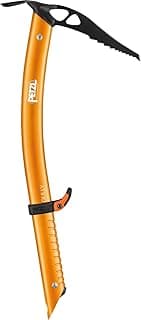
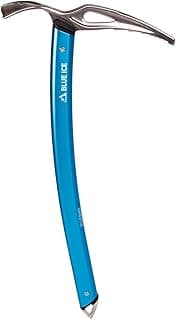
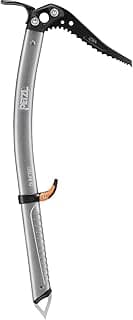
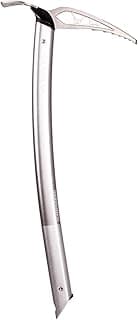
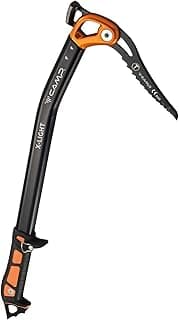
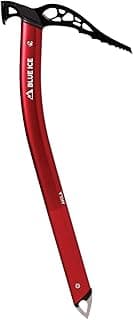
Buying Guide: Best Ice Axe for Beginners
Choosing your first ice axe can feel overwhelming with all the options out there, especially if you're just starting with winter hiking or basic mountaineering. Many beginners worry about picking something too technical or unsafe for casual use. This guide breaks down the key factors to focus on, helping you select an ice axe that matches your skill level and typical outings.
Length
Length affects how comfortably you can self-arrest and use the axe for balance on snow. For beginners, a shorter axe is often easier to handle on moderate terrain without feeling unwieldy.
- Opt for 50-60 cm if you're under 5'6" or focusing on steep snow slopes.
- Choose 60-70 cm for general walking and self-arrest if you're taller or on gentler terrain.
- Avoid axes over 75 cm unless you're pairing it with more advanced techniques, as they can be harder to swing effectively.
Weight
A lighter ice axe reduces fatigue during long days on the mountain, which is crucial for beginners building endurance. Heavier models offer more penetration power but can tire you out faster on approaches.
- Look for 400-600 grams for most entry-level needs—light enough for carrying, sturdy for self-arrest.
- If you prioritize swing power on hard ice, go up to 700 grams, but test for comfort first.
- Steer clear of ultra-light options under 400 grams if safety is your main concern, as they may flex under stress.
Shaft Material and Curve
The shaft's material determines durability and grip in cold, wet conditions. A slight curve helps with ice placement, but straight shafts are simpler for novices.
- Aluminum shafts are affordable and sufficient for beginners; they bend rather than break on impact.
- Choose a modular curve (gentle bend) if you'll encounter ice; straight shafts work well for snow-only hikes.
- Avoid fully rigid steel shafts early on—they're heavier and better for high-force chopping.
Grip the shaft with a rubber or plastic coating for better control when gloved hands get sweaty.
Pick and Adze Design
The pick is for anchoring into ice, while the adze shapes steps or clears snow. Beginner-friendly designs balance sharpness with safety to prevent accidental slips.
- Select a medium-curved pick for reliable hold without excessive piercing risk.
- Ensure the adze is wide enough for chopping platforms but not oversized for your pack.
- If self-arrest is your primary use, prioritize a sharp pick over a fancy adze.
Leash and Safety Features
A good leash keeps the axe attached during falls, reducing injury risk. Beginners benefit from simple, adjustable systems that don't complicate use.
- Go for a wrist leash with quick-release if you're learning self-arrest techniques.
- Check for CE-certified models for basic safety standards in snow and ice.
- Avoid fixed leashes on steep terrain—they can tangle during swings.
Pair your axe with a sheath or holster to protect the pick while hiking.
Budget and Durability
Entry-level ice axes offer solid performance without breaking the bank. Focus on build quality to ensure it lasts through seasons of learning.
- Expect to spend $50-150 for a reliable beginner model with good materials.
- Invest in powder-coated finishes to resist corrosion from snowmelt.
- If you plan frequent use, prioritize reinforced heads over the cheapest options.
Test fit and swing in-store if possible—comfort trumps specs for building confidence.
Best Ice Axe for Beginners FAQ
What should beginners look for in an entry-level ice axe?
Focus on a lighter weight around 400-600 grams and a shaft length of 50-60 cm for easier handling on moderate snow slopes or glacier walks. Choose one with a curved pick for secure self-arrest and a comfortable grip that fits smaller hands. In most cases, these features make your first ice axe forgiving and safe without overwhelming you with advanced specs.
How much does a good beginner ice axe cost?
Expect to pay $80-$150 for a reliable starter model that balances quality and affordability. Cheaper options under $50 often lack durable steel or proper ergonomics, risking failure during critical moments. If you're just starting, invest a bit more for peace of mind on your early outings.
Is an ice axe safe for complete beginners?
Yes, when you pick a model designed for novices with a sharp pick and solid self-arrest curve, it significantly boosts safety on icy terrain. Always practice the self-arrest technique on a gentle slope first to build confidence. Safety hinges more on your training than the tool alone, so pair it with proper instruction.
How do I know if the ice axe fits me properly?
Hold it with the spike down; the top of the head should reach your ankle bone when standing normally—this ensures correct length for efficient swinging and balance. Test the grip for a natural hand position without strain, and check that the wrist loop secures comfortably. If it feels awkward in-store, try a slightly shorter shaft for better control as a beginner.
How does a beginner ice axe compare to advanced models?
Entry-level axes prioritize simplicity and lighter weight for basic mountaineering, while pro versions add modular picks and stiffer shafts for technical ice climbing. For novices, the simpler design reduces fatigue on multi-hour hikes and costs less without sacrificing core safety. Upgrade later if you progress to steep ice faces.
Conclusion
Choosing the best ice axe for beginners comes down to balancing weight, length, and ease of use for safe, confident starts on the ice or snow. Prioritize a model with a lightweight aluminum shaft, ergonomic grip, and modular pick for versatility without overwhelming complexity.
With these key factors in mind, you're well-equipped to make a smart decision that matches your skill level and adventures ahead. Take a moment to pick the right one, and get out there to build your skills steadily.