Buying Guide: Finding the Best Ice Axe for Adults
Choosing an ice axe can feel overwhelming if you're new to mountaineering or winter hiking, especially with options ranging from basic models to technical ones. Many adults worry about picking something too heavy for day trips or too light for real glacier work. This guide breaks down the key factors to help you match an ice axe to your actual adventures without overcomplicating the decision.
Shaft Length
Length affects swing comfort and self-arrest capability in real terrain. A shaft that's too long makes steep climbs awkward, while one that's too short limits reach on traverses.
- If you're under 5'10" and doing general mountaineering, opt for 50-60 cm for balanced handling.
- Taller users or those on steep ice might prefer 65-75 cm for better leverage.
- Avoid extremes: test by holding the axe vertically—your elbow should align near the head for most self-arrest scenarios.
Pick and Adze Design
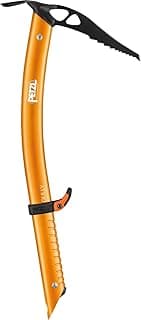
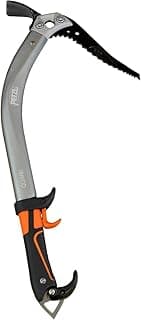
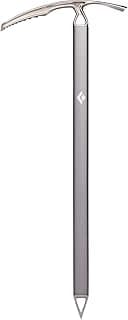
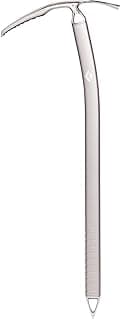
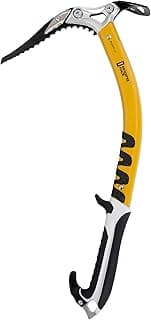
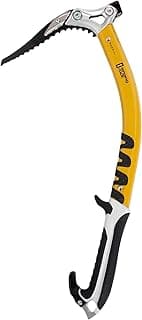
The pick penetrates ice effectively, while the adze chops steps or builds anchors. In practice, a curved pick excels on steep routes, but a straight one handles mixed rock-ice better without snagging.
- Choose curved picks if your routes involve vertical ice; straight for moderate snow and glacier travel.
- Ensure the adze is sharp enough for quick work—dull ones slow you down in cold conditions.
- For most adult users on non-technical hikes, a modular head offers versatility without extra weight.
Shaft Material and Weight
Material impacts durability and swing fatigue over long days. Aluminum shafts flex under torque but are lighter and cheaper, while steel or carbon fiber holds up to heavy abuse.
If you're carrying it all day on approaches, aim for under 1.2 kg total weight. Heavier axes (1.5 kg+) suit technical routes where swing power matters more than pack weight.
- Aluminum works for occasional use; steel for frequent, high-impact swings.
- Carbon is ideal if budget allows and you're prioritizing low weight on multi-day trips.
Leash and Grip Features
A good grip prevents slippage in gloves, and leashes keep the axe secure during falls or belays. Poor leashes can tangle, leading to dangerous drops.
- Look for adjustable, quick-release leashes for versatility between walking and climbing modes.
- Rubberized or ergonomic grips reduce hand fatigue—essential for adults with larger hands.
- If you climb steep ice, prioritize wrist leashes; for walking, simpler pommels suffice.
Certification and Build Quality
Certified axes meet drop-test standards for safety, ensuring the head stays attached under stress. In real use, this prevents failures during self-arrests.
Check for UIAA or CE markings—they confirm the axe withstands 5-10 m falls without bending. Inspect seams and welds for clean construction to avoid early wear.
- Generally, modular designs allow part replacements, extending life for budget-conscious users.
- Avoid overly cheap imports lacking certification, as they risk head separation on first big swing.
Intended Use and Fit Testing
Match the axe to your activities: walking axes for flat glaciers, technical for steep couloirs. What works for alpine touring might fail on waterfall ice.
Before buying, hold it in your dominant hand with typical gloves—if the balance feels natural at waist height, it's likely a good fit for most scenarios.
- General hiking: shorter, lighter models.
- Technical climbing: stiffer, longer with aggressive picks.
- Test swing weight in-store to confirm it suits your strength and style.
Frequently Asked Questions About the Best Ice Axe for Adults
What should I look for in the best ice axe for adults?
The best ice axe for adults features a durable steel head with a sharp pick for secure ice penetration and a sturdy shaft that balances weight for easier swings. Prioritize models with ergonomic grips and lengths around 50-70 cm depending on your height and intended use like mountaineering or glacier travel. In most cases, a modular design allows adjustments for safety and versatility on varied terrain.
How much does a good ice axe for adults typically cost?
A reliable ice axe for adults usually ranges from $80 to $200, with entry-level options around $100 offering solid performance for casual users. Higher-priced models provide lighter weight and advanced materials for frequent expeditions, but avoid overspending if you're just starting out. Factor in your experience level—beginners often find great value in mid-range picks without sacrificing essential safety features.
Is it safe to use an ice axe if I'm new to ice climbing?
Yes, with proper training, an ice axe significantly enhances safety by providing self-arrest capability during falls on steep snow or ice. Choose one certified for technical use with a curved pick and leash attachment to prevent drops. Always practice techniques like self-arrest on gentle slopes first to build confidence before tackling challenging routes.
How do I choose between walking axes and technical ice axes for adults?
Walking axes are straighter and lighter for general mountaineering and self-arrest on moderate slopes, while technical ones have curved picks for aggressive ice and mixed climbing. If your adventures involve steep ice walls, opt for a shorter technical axe; for high-altitude trekking, a longer walking style works better. Consider your primary activity to ensure efficiency without unnecessary bulk in your pack.
How do I maintain my ice axe for long-term reliability?
Regularly sharpen the pick and adze with a file to maintain cutting efficiency, and inspect the shaft for cracks before each use. Store it dry and protected from impacts to avoid damage, and occasionally apply wax to the shaft for smoother swings in cold conditions. Proper care extends usability, often making a quality axe last 5-10 years with moderate use.
Conclusion
Choosing the best ice axe for adults comes down to balancing length, weight, and pick curvature with your specific mountaineering or ice climbing needs. Prioritize ergonomic grips for comfort during extended use and durable materials that hold up in harsh conditions.
With these factors in mind, you're well-equipped to make a confident decision. Assess your terrain and skill level, then select the model that aligns best with your adventures. Gear up thoughtfully, and stay safe on the ice.