Buying Guide: Best Heavy Duty Paper Trimmers
Choosing among heavy duty paper trimmers can feel overwhelming when you're dealing with stacks of documents, posters, or craft materials that lighter models just can't handle. Many buyers worry about getting enough cutting power without compromising safety or ending up with something too bulky for their workspace. This guide breaks down the key factors to focus on, based on real-world use, to help you pick a trimmer that fits your needs.
Cutting Capacity and Paper Size
The cutting length and stack height determine how much material you can process at once, which directly impacts efficiency for larger projects.
- Look for a 15- to 36-inch cutting length if you often work with letter, legal, or poster-sized sheets.
- Opt for models handling 50 to 200+ sheets per cut for high-volume tasks like office bulk trimming.
- If your work involves smaller formats, a shorter blade suffices and saves space; for wide banners, prioritize longer capacities to avoid multiple passes.
Blade Type and Cutting Mechanism
Heavy duty trimmers rely on robust blades to deliver clean, precise cuts through thick stacks without tearing or dulling quickly.
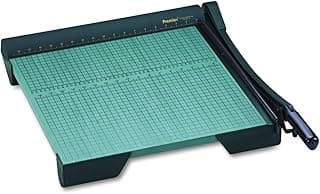
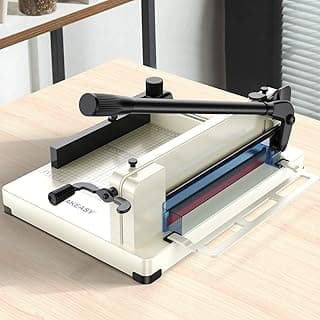
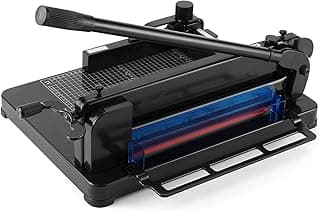
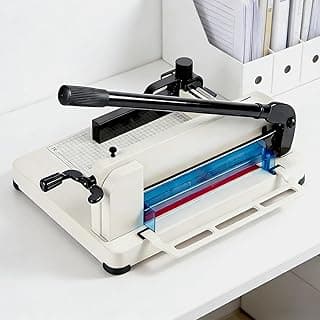
- Guillotine-style blades work well for straight, heavy cuts on paper, cardstock, or foam board.
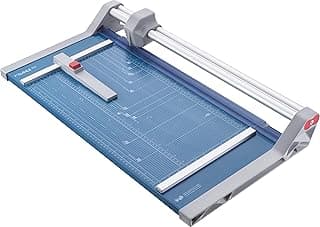
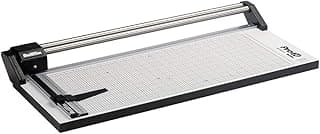
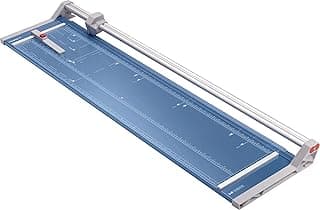
- Rotary blades offer smoother edges for photos or delicate materials but may handle less stack height.
- Choose replaceable, hardened steel blades for longevity; if you cut varied materials frequently, then a model with interchangeable options reduces downtime.
Build Quality and Durability
In demanding environments, a sturdy frame prevents wobbling and ensures consistent performance over time.
- Metal construction generally outlasts plastic in high-use settings, resisting wear from repeated cuts.
- Check for reinforced rails and bases to maintain alignment on stacks up to 1/2-inch thick.
- For most users in workshops or print shops, heavier models (around 20-50 pounds) provide better stability without needing permanent mounting.
Safety Features
Safety matters most with powerful cutters that handle thick stacks, reducing accident risks during daily operation.
- Prioritize transparent blade guards and magnetic safety latches that prevent operation unless fully secured.
- Blade depth adjusters and non-slip clamps hold materials steady, minimizing slips.
- If multiple people use the trimmer, then models with auto-lock mechanisms add peace of mind without slowing workflow.
Portability and Workspace Fit
Even heavy duty options shouldn't dominate your space or complicate movement between tasks.
- Models under 30 pounds with built-in handles suit mobile setups like craft fairs or home offices.
- Consider fold-down extensions for compact storage if bench space is limited.
- For stationary shop use, a larger footprint provides stability; otherwise, lighter frames balance power and ease.
Precision and Alignment Aids
Accurate cuts save material and time, especially on repetitive jobs.
- Grid markings, side rulers, and adjustable backstops ensure straight edges within 1/32-inch tolerance.
- LED lights or magnifying guides help on detailed work.
- If precision is key for signage or photography, then dual-scale measurements (metric and imperial) prevent measuring errors.
Maintenance and Long-Term Costs
Easy upkeep keeps the trimmer reliable without surprise expenses.
- Blades should be user-replaceable without tools; lubricate pivot points periodically for smooth action.
- Models with minimal parts reduce cleaning time after heavy use.
- For frequent operation, factor in blade replacement costs—generally lower with durable alloys—to avoid budget overruns.
Best Heavy Duty Paper Trimmers FAQ
What should I consider when buying the best heavy duty paper trimmer for high-volume use?
Look for models with a sturdy metal base and sharp, replaceable blades that handle thick stacks of paper or cardstock without jamming. Capacity up to 50 sheets or more ensures efficiency for frequent cutting, while a wide cutting length suits larger projects. If you're trimming photos or crafts daily, prioritize ones with self-sharpening blades to maintain precision over time.
Are heavy duty paper trimmers safe for home or office use?
Most heavy duty paper trimmers feature safety locks, blade guards, and non-slip feet to prevent accidents during operation. In most cases, they're safer than handheld scissors for bulk cuts since the lever mechanism keeps hands clear of the blade path. Always engage the safety latch when not in use, especially around kids or in shared workspaces.
How much does a good heavy duty paper trimmer cost?
Expect to pay between $50 and $200 for reliable heavy duty paper trimmers, depending on cutting capacity and build quality. Basic models under $100 work well for occasional heavy use, while premium ones around $150 offer longer warranties and smoother operation. If budget is tight, focus on durable construction over flashy features to avoid frequent replacements.
What's the best heavy duty paper trimmer for efficiency and speed?
Guillotine-style heavy duty paper trimmers excel in efficiency, slicing through dozens of sheets in one smooth lever pull without tearing edges. For repetitive tasks like flyers or labels, those with alignment guides and measurement scales speed up setup and reduce errors. Users often find them twice as fast as rotary cutters for straight, clean lines on heavy media.
How do heavy duty paper trimmers compare to standard ones?
Heavy duty versions cut thicker stacks and tougher materials like foam board, while standard trimmers struggle beyond 15-20 sheets and dull quickly. If you need precision for professional projects, heavy duty models provide straighter edges and last years longer with proper maintenance. For light home use, a standard might suffice, but heavy duty pays off in time saved for frequent crafters or offices.
Conclusion
When selecting the best heavy duty paper trimmers, focus on blade quality, cutting capacity, safety features, and build durability to match your needs. These elements ensure precise, reliable performance for high-volume tasks without frequent replacements.
With the right priorities in mind, you're equipped to make a confident choice. Consider your workspace and usage frequency to pick the model that fits best—long-term satisfaction comes from aligning features with real demands. Take the next step today and trim with precision.