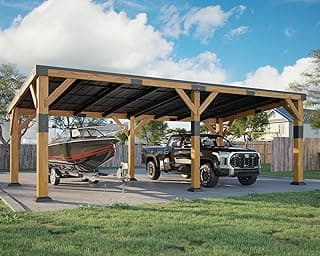
Buying Guide: Best Heavy Duty Carports
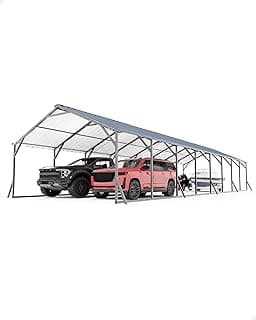
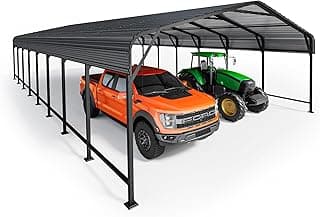
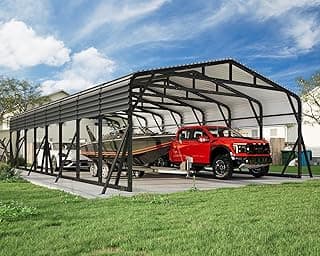
Choosing among heavy duty carports can feel overwhelming when you're picturing harsh weather, long-term parking needs, or a tight budget. Many buyers worry about structures that look sturdy online but falter in real use, or installations that turn into weekend disasters. This guide breaks down the key factors to focus on, helping you match options to your situation without common pitfalls.
Size and Coverage Area
Size determines if your carport actually protects your vehicle from rain, sun, or falling branches. Too small, and it leaves gaps; too large, and you're overspending on materials.
- Measure your longest vehicle plus 2–3 feet on each end for easy access.
- For multiple vehicles or RVs, aim for widths of 12–20 feet and lengths up to 40 feet.
- If space is limited, prioritize height—7–8 feet clearance works for most sedans and SUVs.
If you park irregularly or store extra gear, opt for modular designs that expand later.
Frame Material and Strength
The frame bears the real load from wind, snow, or debris, so its material affects longevity in your local climate. Weaker frames bend or collapse under stress, leading to costly repairs.
- Steel tubing with 14-gauge or thicker walls handles gusts up to 80–100 mph in most cases.
- Galvanized or powder-coated finishes resist rust—essential if you're in a humid or coastal area.
- Avoid thinner aluminum unless wind loads are minimal; it dents easily from hail.
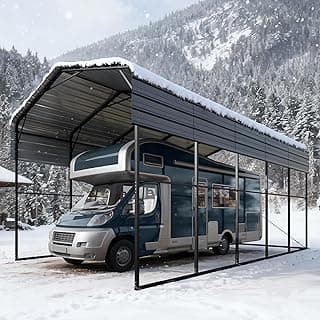
If snow accumulation exceeds 20 pounds per square foot, confirm load ratings exceed your area's averages.
Roof Covering and Weather Resistance
Your roof shields against UV fading, leaks, and pooling water, directly impacting vehicle maintenance over time. Poor coverings crack or sag, letting elements through.
- Polycarbonate panels (multi-wall for insulation) block 99% of UV rays and diffuse light.
- Metal roofing suits high-wind zones but can dent; fabric tops are lighter but need tensioning.
- Look for UV inhibitors and a pitch of at least 10 degrees to shed water and snow.
In heavy rain areas, choose covers with sealed edges to prevent drips on entry doors.
Wind and Snow Load Ratings
These ratings predict performance in storms, preventing surprises like frame failure. Local codes often require certification, and ignoring them risks insurance issues.
- Wind ratings of 90 mph+ suit most regions; 120 mph for hurricane-prone spots.
- Snow loads from 25–50 psf cover typical winters—check your zip code's historical data.
- Anchor kits with concrete footings boost stability on all but the firmest ground.
If your area sees extreme events, verify engineer-stamped designs for peace of mind.
Installation Process
Installation affects both cost and safety—DIY gone wrong leads to wobbles or injuries. Professional setup ensures level bases, but many kits simplify the job.
- Kits with pre-drilled parts and base plates cut assembly time to 4–8 hours for two people.
- Need a level 4–6 inch gravel or concrete pad; skip this, and wind uplift increases.
- If you're not handy, factor in $500–$2,000 for pros, especially for large spans.
For renters or temporary needs, pick no-dig ground anchors over permanent concrete.
Cost and Long-Term Value
Upfront price seems key, but factor in durability to avoid replacements every few years. Cheaper options often hide weaknesses that add up.
- Expect $1,500–$5,000 for a single-car unit, scaling with size and features.
- Warranties of 10–20 years on frame and roof signal reliable builds.
- Calculate per-square-foot cost—under $20/sq ft often means cutting corners.
If budget is tight, prioritize frame strength over fancy add-ons; it pays off longest.
Permits and Placement Considerations
Skipping permits can lead to fines or forced removal, while poor placement amplifies wind exposure. Check upfront to avoid headaches.
- Most areas require permits for spans over 200 sq ft or near property lines.
- Site it 5–10 feet from structures to reduce buffeting, with open sides for airflow.
- HOA rules may limit height or style—review docs early.
If zoning is strict, portable models under height limits often bypass red tape.
Frequently Asked Questions About Heavy Duty Carports
What is the average cost of the best heavy duty carports?
Heavy duty carports typically range from $2,000 to $6,000 depending on size, materials like reinforced steel frames, and features such as wind bracing. If you're covering two vehicles, expect to pay around $3,500 for a durable model that withstands harsh weather. Factor in delivery and setup fees, which can add 10-20% but save you long-term by preventing vehicle damage from sun, hail, or snow.
Are heavy duty carports safe in high winds and heavy snow?
Yes, the best heavy duty carports use thick-gauge steel tubing and anchor kits rated for 90+ mph winds and 20+ psf snow loads in most cases. Look for models with diagonal bracing and ground anchors to ensure stability during storms. Proper installation on level ground further boosts safety, protecting your vehicles without the need for a full garage.
How long does it take to install a heavy duty carport?
DIY installation for a standard heavy duty carport takes 4-8 hours for two people with basic tools like a drill and level. Professional setup usually wraps up in one day, ensuring everything is squared and anchored correctly. If your site has uneven ground, add a few hours for leveling to avoid future issues.
How do heavy duty carports compare to regular ones for long-term use?
Heavy duty carports outperform standard models by using rust-resistant galvanized steel and stronger joints, lasting 15-25 years versus 5-10 for lighter versions. They're ideal if you live in variable climates, offering better protection from falling branches or extreme weather without sagging over time. The extra upfront investment pays off in reduced maintenance and superior vehicle shielding.
What size heavy duty carport is best for multiple vehicles?
For two cars, a 20x20-foot heavy duty carport provides ample space with room for doors to open fully. If storing trucks or RVs, opt for 12x40 feet or larger to accommodate height and length. Measure your vehicles plus 2-3 feet clearance on each side for easiest access and efficiency.
Conclusion
When selecting the best heavy duty carports, prioritize durable materials, sturdy frames, and weather resistance to ensure long-term protection for your vehicles. Key factors like size, ease of installation, and customization options make all the difference in meeting your specific needs.
You can feel confident in your choice by focusing on these essentials, knowing you've weighed what truly matters. Take the next step today—pick the model that fits your space and budget for reliable, hassle-free coverage.