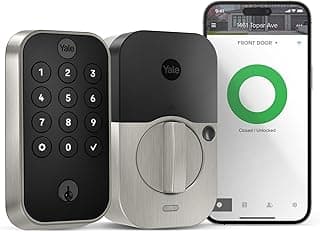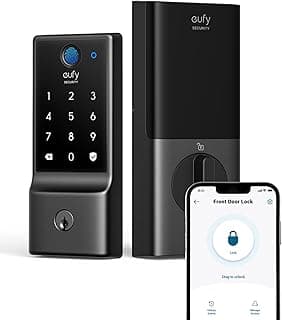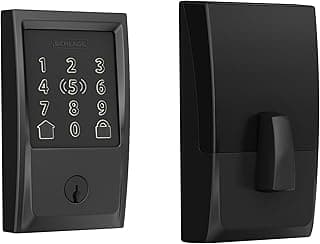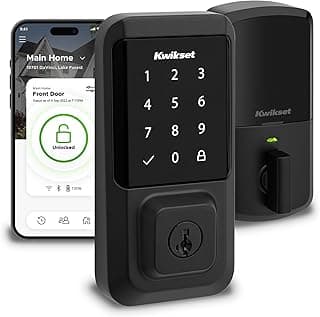

Buying Guide: Finding the Right Electronic Deadbolt for Your Needs
Many homeowners hesitate when considering an electronic deadbolt, worried about reliability during power outages or the hassle of installation. In reality, most modern options perform well in everyday use and offer conveniences like keyless entry that outweigh common concerns, especially if you pick one suited to your home's setup.
Power Source and Backup Reliability
Electronic deadbolts rely on batteries or wiring, but outages can happen. Look for models with backup power to ensure access when needed.
- Opt for units with 9V battery backup ports if you live in storm-prone areas—they allow a standard battery to jumpstart the lock.
- Battery life typically lasts 6–12 months; choose ones with low-battery alerts to avoid surprises.
- If wiring appeals for zero maintenance, then select hardwired models, but only if you're comfortable with professional installation.
Unlocking Methods and Convenience
Your daily routine determines the best unlocking options. A mix of methods prevents lockouts and adds flexibility for family or guests.
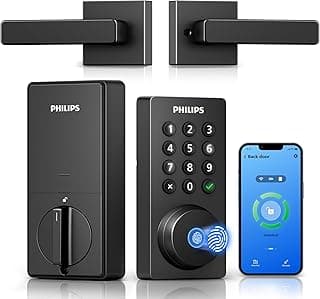
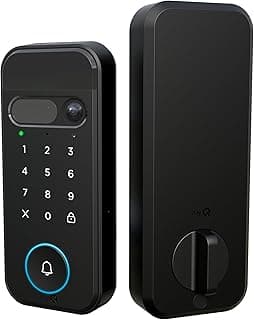
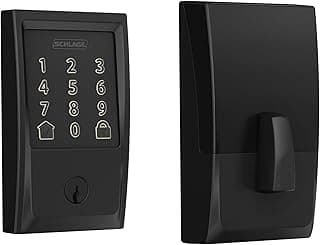
- Keypad entry works well for most users sharing access codes without keys.
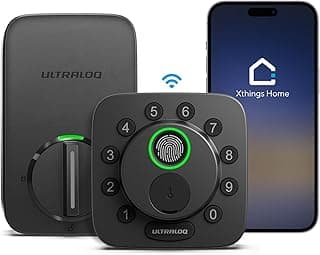
- Fingerprint scanners suit high-traffic homes but verify they support 10–30 prints to cover everyone.
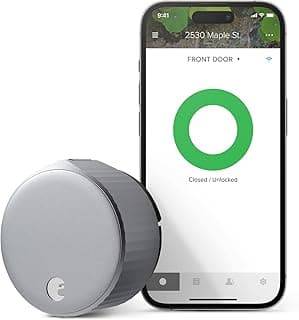
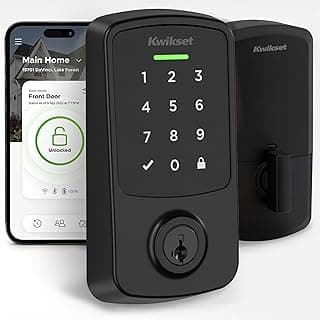
- App control via Bluetooth or Wi-Fi is handy for remote monitoring, though it requires a strong home signal.
- If you prefer simplicity, then stick to models with physical key overrides as a reliable fallback.
Security Ratings and Features
Basic security keeps opportunists away, but advanced features matter more in high-risk areas. Focus on tested resistance rather than flashy claims.
- Choose locks with ANSI Grade 1 or Grade 2 ratings for bump and pick resistance in most cases.
- Look for auto-relock timers (30 seconds default) to avoid forgetting.
- Anti-drill and tamper alarms add peace of mind; enable them if security is a top priority.
- Avoid models without encryption if connecting to smart home systems.
Installation Compatibility
Most electronic deadbolts fit standard doors, but measuring first saves headaches. DIY is feasible for many, reducing costs.
- Confirm your door is 1-3/8 to 1-3/4 inches thick and has a 2-1/8 inch bore hole.
- If retrofitting an existing deadbolt, pick universal-fit models to minimize drilling.
- For renters or uneven doors, then consider surface-mount options that avoid permanent changes.
- Expect 30–60 minutes for DIY; hire a pro if unsure about wiring or alignment.
Build Quality and Durability
Outdoor exposure demands weather resistance. Solid construction handles daily wear without frequent replacements.
- Seek IP65 or higher weatherproofing for rain and dust in exterior use.
- Brass or stainless steel mechanisms resist corrosion better than coated alloys.
- Test for smooth operation in demos; sticky actions signal poor quality.
- In humid climates, then prioritize fully sealed designs to extend lifespan.
Smart Integration and Future-Proofing
Not everyone needs smart features, but they enhance usability if you have compatible devices.
- Wi-Fi models integrate with voice assistants for hands-free control.
- Z-Wave or Zigbee compatibility works if... then expanding your smart home later.
- Start with Bluetooth-only to keep costs down unless remote access is essential.
By matching these factors to your lifestyle—like prioritizing backups for remote homes—you'll find an electronic deadbolt that boosts security without unnecessary complexity or expense.
Frequently Asked Questions About Electronic Deadbolts
What is the best electronic deadbolt for home security on a budget?
If you're looking for a reliable electronic deadbolt without breaking the bank, focus on models around $100-$200 that offer keyless entry via PIN codes or apps. These provide solid security features like auto-locking and tamper alerts, balancing cost with everyday protection. In most cases, they hold up well to daily use and basic forced-entry attempts, making them a smart choice for renters or first-time buyers.
How safe are electronic deadbolts compared to traditional keyed ones?
Electronic deadbolts are generally as safe as keyed deadbolts, often with added layers like encrypted codes, anti-drill plates, and battery backups to prevent lockouts during outages. They reduce risks from lost keys or unauthorized copies, though you should choose models tested to ANSI Grade 1 or 2 standards for maximum resistance to kicking or picking. For families, the audit trails on many smart versions track who enters, enhancing overall home safety.
Is installing an electronic deadbolt difficult for DIYers?
Most electronic deadbolts install in under 30 minutes using just a screwdriver, as they fit standard door prep holes like traditional locks—no major door modifications needed. If your door is pre-drilled correctly, it's straightforward; otherwise, a quick template adjustment helps. Beginners often find video guides sufficient, but if you're uncomfortable with alignment, a handyman can do it cheaply to avoid warranty issues.
What makes one electronic deadbolt more efficient than another?
The best electronic deadbolts prioritize long battery life (6-12 months on AA batteries), quick response times under 1 second, and features like passage mode for convenience. Efficiency shines in low-maintenance designs with low-battery warnings and weather-resistant exteriors that withstand rain or extreme temperatures. Opt for ones with multiple access methods (key, code, app) to match your household's needs without constant recharging hassles.
How do electronic deadbolts compare in cost to regular deadbolts over time?
Upfront, a quality electronic deadbolt costs $150-$300 versus $50-$100 for a keyed one, but long-term savings come from no locksmith fees for lost keys or rekeying. Batteries add about $10-20 yearly, far less than replacement keys over years of use. If convenience matters, the time saved fumbling for keys or granting temporary access pays off quickly for busy households.
Conclusion
Choosing the best electronic deadbolt comes down to prioritizing features like reliable keyless entry, robust battery life, and seamless smart home integration. Focus on models that balance security, ease of use, and durability to fit your needs.
With the right pick, you'll enjoy enhanced peace of mind without compromising on convenience. Take a moment to match these key factors to your home setup, and confidently secure your door today.