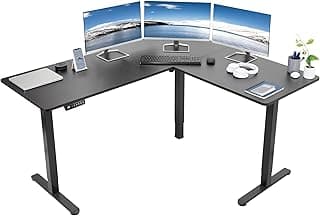
Buying Guide: Finding the Right Electric Standing Desk for You
Many people shopping for electric standing desks feel overwhelmed by options that promise endless adjustments but fall short in daily use. A common concern is whether the desk will wobble, make noise, or prove too complicated to set up at home. This guide breaks down the key factors to focus on, helping you match a desk to your workspace and habits without unnecessary worry.
Height Range and Adjustability
Height range determines how well the desk fits your body and posture needs during both sitting and standing. Most users benefit from desks that adjust from 25 inches to at least 50 inches, accommodating heights from about 5'4" to 6'4".
- If you alternate positions frequently, prioritize smooth motor travel over 1.5 inches per second.
- For taller users or shared desks, check the maximum height exceeds 48 inches to avoid strain.
- Avoid narrow ranges if your setup involves kids or guests, as they limit versatility.
Weight Capacity and Size Options
Weight capacity affects stability when loaded with monitors, keyboards, and accessories. Look for at least 150 pounds for typical office setups, ensuring the desk doesn't sag or tilt under real-world loads.
- Choose 48-inch or wider surfaces for dual monitors; smaller sizes suit single-screen work.
- If your space is tight, opt for 24-inch deep desks to maximize floor area without crowding.
- Test capacity against your gear—heavier items like all-in-one PCs mean going beyond basic ratings.
Motor Quality and Noise Levels
Quiet, reliable motors make transitions seamless without disrupting calls or focus. Dual motors generally outperform single ones for even lifting, especially on larger tops.
- If noise bothers you, seek models under 50 decibels—comparable to a soft conversation.
- For heavy daily use, dual motors prevent straining and extend lifespan.
- Avoid budget singles if you plan frequent adjustments, as they can buzz or slow over time.
Stability and Build Quality
Stability prevents wobbling at standing height, which is crucial for typing or precise tasks. Cross-bracing and thick steel frames contribute to a solid feel.
- Check for anti-collision sensors if working near walls or pets—they stop movement on impact.
- For long-term use, powder-coated steel resists scratches better than basic finishes.
- If your floor is uneven, adjustable feet help level the desk without tools.
Programming and Memory Settings
Memory presets let you save favorite heights for quick switches. Four or more buttons cover sitting, standing, and custom positions for multiple users.
- If you share the desk, program settings for each person to save time.
- Look for child-lock features if kids are around, preventing accidental changes.
- Skip basic paddle controls if you want numbered presets for precision.
Assembly and Power Needs
Most electric standing desks arrive partially assembled, requiring 30-60 minutes with basic tools. No advanced skills needed, and many include clear instructions.
- They plug into standard outlets—no special wiring or professional install.
- If space is limited, choose bolt-together frames over pre-welded for easier maneuvering.
- Power backup batteries add value for outages, keeping presets safe.
Cost and Long-Term Value
Prices range from $300 to over $1000, balancing features with budget. Higher investments often mean better motors and warranties up to 10 years.
- For occasional use, mid-range options around $500 deliver reliability without excess.
- If standing most of the day, prioritize durability to avoid replacements.
- Factor in cable management trays—they keep desks tidy and ergonomic.
Frequently Asked Questions About Electric Standing Desks
What are the best electric standing desks for the money?
If you're balancing budget and quality, look for electric standing desks around $300-$600 that offer smooth height adjustment up to 50 inches and sturdy builds holding 150+ pounds. These models often include anti-collision tech and programmable settings, making them great value without skimping on daily reliability. In most cases, spending a bit more gets you quieter motors and better warranties, ideal for heavy home office use.
Are electric standing desks safe for everyday use?
Yes, top electric standing desks prioritize safety with built-in anti-collision sensors that stop movement if they detect obstacles, plus overload protection to prevent motor strain. They're designed for stable operation even at full height, reducing wobble risks during transitions. Always check weight limits and keep cables organized to maximize safety in real-world setups.
How easy is installation for an electric standing desk?
Most electric standing desks assemble in under 30-45 minutes with included tools and clear instructions—no advanced skills needed. You'll typically attach the desktop to the frame, connect the control panel, and plug in the motor, which handles the rest. If you're not handy, opt for models with pre-drilled holes; user reviews confirm solo setup is feasible for average buyers.
How do adjustable height desks with electric motors compare to manual ones?
Electric versions outperform manual crank desks in efficiency, offering one-touch memory presets for seamless sitting-to-standing switches that save time during busy workdays. They're quieter and smoother for frequent adjustments, though they cost more upfront. For users switching postures 4+ times daily, the electric lift justifies the investment over manual effort.
What's the most efficient way to use a standing desk electric model?
Alternate between sitting and standing every 30-60 minutes using the programmable heights to boost focus and reduce fatigue—many users report better productivity this way. Pair it with a cushioned mat for longer stands and adjust to elbow level for ergonomics. Electric controls make quick tweaks effortless, helping maintain good habits without disruption.
Conclusion
Choosing among the best electric standing desks comes down to stability, smooth height adjustment, spacious surfaces, and reliable programmability. Prioritize models that match your workspace needs and budget for long-term comfort and productivity.
You now have the insights to make a confident decision without guesswork. Take a moment to select the one that fits your setup best—your health and focus will thank you.