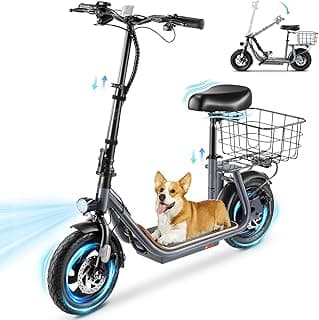
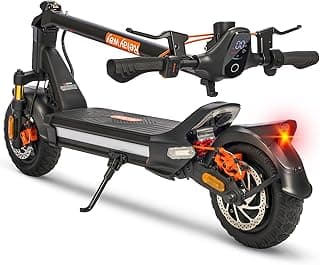
Buying Guide: Finding the Right Electric Scooter for Your Needs
Choosing among the best electric scooters can feel overwhelming with so many options promising speed and convenience. Many buyers worry about picking one that's safe for daily commutes or powerful enough for hills, yet won't break the bank or leave them stranded. This guide breaks down the key factors to consider, helping you match a scooter to your real-world routine without common pitfalls.
Motor Power and Speed
Motor power determines how well a scooter handles inclines, acceleration, and carrying loads in everyday scenarios. A 250W to 500W motor suits flat urban paths for most users, while 500W to 1000W works better for hilly areas or heavier riders.
- If your routes include steep grades, opt for at least 500W to avoid frustrating slowdowns.
- For casual neighborhood rides, lower power keeps costs down and batteries lasting longer.
- Avoid overly powerful motors if you prioritize legal speed limits, as top speeds over 25 mph may restrict where you can ride.
Battery Range and Charging Time
Real-world range depends on your weight, terrain, and weather—expect 20-50% less than advertised in practice. Look for batteries offering 15-30 miles per charge for typical commutes.
- If you ride 10 miles daily, a 20-mile range provides a safe buffer against unexpected detours.
- Choose quick-charge options (4-6 hours) if you charge overnight isn't feasible.
- Test estimates by factoring in stops and starts, which drain power faster than steady cruising.
Weight Capacity and Scooter Build
Build quality affects stability and longevity, especially under daily stress like potholes or rain. Scooters typically handle 220-275 lbs, but check for reinforced frames if you're near the limit.
- For riders over 250 lbs, prioritize models with higher-rated decks and wider tires to prevent wobbling.
- Aluminum or steel frames offer durability for frequent use, while folding designs ease storage in apartments.
- Avoid lightweight plastic builds if you plan rougher paths—they wear out quicker.
Tire Type and Suspension
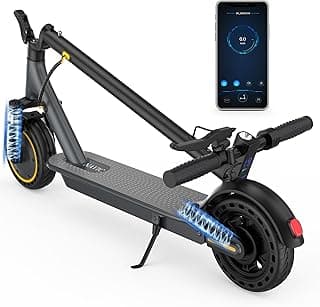
Tires and suspension smooth out bumps, making rides comfortable and safer on varied surfaces. Solid tires resist punctures but feel harsher; pneumatic ones absorb shocks better with added maintenance.
- If city sidewalks are your main terrain, pneumatic tires with 8-10 inch sizes provide grip and cushioning.
- Opt for solid tires if you dislike flats during short errands.
- Basic suspension helps on uneven ground; skip it for smooth pavement to save weight and cost.
Safety Features
Safety reduces accident risks, especially in traffic. Dual brakes, bright lights, and reflectors are practical for visibility at dawn or dusk.
- Look for disc or electronic brakes that stop reliably from 15 mph within 10-15 feet.
- LED headlights and turn signals alert drivers, crucial for shared paths.
- If riding at night, ensure IP-rated water resistance to handle light rain without electrical issues.
Portability and Storage
A portable scooter fits into buses, cars, or offices without hassle. Aim for under 30-40 lbs if you carry it often.
- If commuting via public transit, choose compact folders under 35 lbs with quick-lock mechanisms.
- Larger batteries add range but bulk—balance this if storage space is tight.
- Test foldability in person to confirm it suits your car's trunk or stairwell.
Cost and Long-Term Value
Upfront prices range from $300-$1500, but factor in battery life (typically 500 charges) and parts availability. Cheaper models may need replacements sooner.
- For occasional use, under $500 options deliver value without extras.
- If daily, invest in $800+ for better components that lower ownership costs over time.
- Warranty coverage (at least 1 year) protects against defects, easing buyer hesitation.
Frequently Asked Questions About Electric Scooters
What is the best electric scooter for my budget?
If you're watching your spending, look for models under $500 that still deliver reliable range and speed for daily commutes. In most cases, these affordable options handle 15-20 miles per charge and reach 15-20 mph, making them practical for city use without breaking the bank. Prioritize scooters with solid build quality to avoid frequent repairs that could add hidden costs over time.
How do I stay safe when riding an electric scooter?
Always wear a helmet and consider knee/elbow pads, especially if you're new to riding or navigating busy streets. Check local laws for speed limits and required safety gear, and practice in open areas to get comfortable with braking and turning. Many top electric scooters come with features like front lights and dual brakes, which significantly reduce accident risks during evening rides.
Is assembly required for electric scooters, and how hard is it?
Most electric scooters arrive partially assembled, needing just 5-10 minutes to attach the handlebars, fold out the stem, and secure any electronics—no tools required in many cases. If your model includes instructions or a quick video guide, you'll be riding in under 15 minutes. Double-check tire pressure and battery connections during setup to ensure smooth performance from the start.
What range and battery life should I expect from good electric scooters?
A quality electric scooter typically offers 20-40 miles per charge, depending on your weight, terrain, and speed—flatter urban paths yield the best efficiency. Real-world use shows that conservative riding preserves battery life better than aggressive acceleration. Opt for models with removable batteries if you need quick recharges or longer trips.
How do electric scooters compare to bikes for commuting?
Electric scooters often win for short urban trips under 10 miles due to their portability—you can fold and carry them easily on public transit. They require less physical effort than bikes, with smooth acceleration via throttle control, but bikes might edge out on steep hills or longer distances. Consider your storage space and commute length to decide which fits your lifestyle best.
Conclusion
Choosing the best electric scooters comes down to balancing range, speed, battery life, build quality, and your daily needs. Prioritize models with reliable performance and safety features to ensure a smooth ride.
With the right factors in mind, you're well-equipped to make a confident decision. Take a moment to match specs to your lifestyle, and pick the scooter that fits best. Enjoy the freedom and efficiency of electric mobility today.