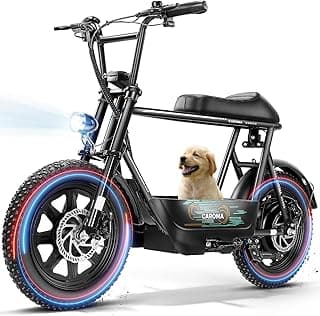
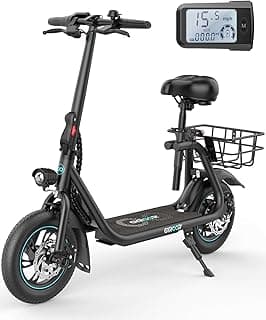
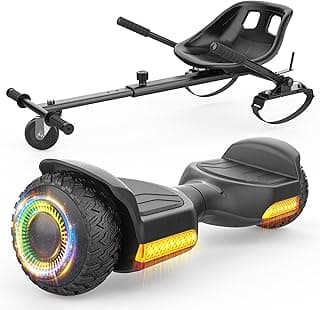
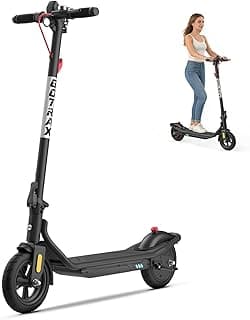
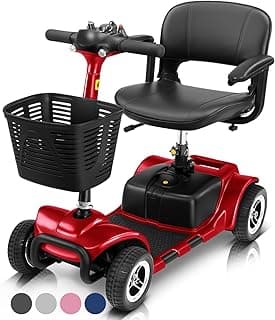
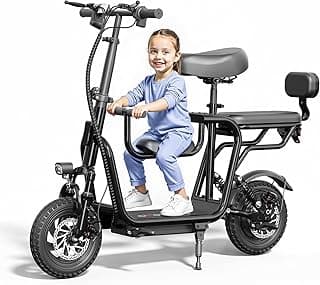
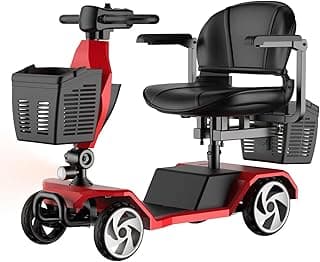
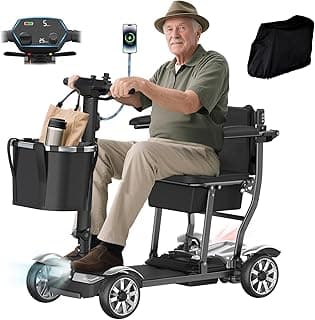
Buying Guide: Best Electric Scooters with Seats
Choosing an electric scooter with a seat often feels overwhelming when you're balancing comfort for longer rides, budget constraints, and worries about safety or reliability. Many riders discover that focusing on a few key factors helps narrow down options that fit their daily routine, whether for commuting or casual outings.
Seat Comfort and Adjustability
A comfortable seat makes a big difference on rides over 5 miles, reducing fatigue during commutes or errands. Look for padded seats with some cushioning and breathable materials to handle sweat in warmer weather.
- If you plan short trips under 3 miles, a basic fixed seat works fine.
- For longer distances or varied body sizes, opt for adjustable height and angle options.
- Avoid thin, unpadded seats if back support matters to you.
Weight Capacity and Rider Fit
Matching the scooter's weight limit to your size ensures stable handling and prevents strain on the motor. Most models support up to 220–330 pounds, but check for your specific needs including gear.
- If you're over 250 pounds, prioritize higher-capacity frames for safety.
- Lighter riders under 150 pounds have more flexibility but still value sturdy builds.
- Test or estimate if the seat height suits your leg length for easy mounting.
Motor Power and Speed
Motor strength determines how easily the scooter tackles hills and maintains speed with a seated posture. A 350–500W motor suits flat urban areas, while 600W+ helps on inclines up to 15 degrees.
If your routes include moderate hills, then choose at least 450W; otherwise, lower power keeps costs down and battery life longer.
Battery Range and Charging Time
Real-world range varies with rider weight, terrain, and speed, often hitting 15–30 miles per charge. Factor in your typical daily distance to avoid frequent recharges.
- For commutes under 10 miles, a 20-mile range battery suffices.
- Plan for 4–8 hours charging; quicker options exist but cost more.
- Avoid overestimating range—add 20% buffer for safety.
Safety Features
Safety builds confidence, especially when seated and less agile. Disc brakes offer reliable stopping in wet conditions, while lights and reflectors improve visibility at dusk.
If you ride in traffic or low light, then prioritize dual brakes and bright LED lights. Suspension softens bumps, reducing accident risk on uneven paths.
Portability and Storage
Seated scooters are bulkier, so folding mechanisms and weight under 40 pounds make them easier to carry upstairs or store in small apartments.
- For apartment dwellers, seek quick-fold designs under 35 pounds.
- Larger frames over 45 pounds suit garage storage but limit portability.
Build Quality and Durability
Durable frames withstand daily use, with aluminum or steel holding up better than plastic in rain or rough conditions. IP-rated water resistance (like IP54+) protects against splashes.
In most cases, reinforced welds and quality tires last longer; inspect for rust-proofing if you ride in wet climates.
Frequently Asked Questions About Seated Electric Scooters
What are the best electric scooters with seats for daily commuting on a budget?
If you're looking for affordable seated electric scooters under $600, prioritize models with at least 15-20 mile range and 250W motors for city streets. These handle moderate hills and provide comfortable rides without breaking the bank, though you may sacrifice top speed around 15 mph. Real users report great value for short trips, but check weight capacity if carrying extra load.
Are seated electric scooters safe for beginners or longer rides?
Seated models enhance safety by reducing fatigue on rides over 10 miles, with wider bases and lower centers of gravity preventing tip-overs. Most include disc brakes and LED lights for visibility, but always wear a helmet and test on flat ground first. In most cases, they're safer than standing scooters for casual riders, especially if you avoid wet roads or high speeds.
How easy is it to install a seat on an electric scooter?
Many electric scooters accept seat attachments via simple bolt-on kits that take 10-20 minutes with basic tools like an Allen wrench. If your model has pre-drilled frame holes, it's plug-and-play; otherwise, universal seats clamp securely without modifications. Users find this upgrade transforms standing scooters into comfy seated options quickly and affordably.
How do seated electric scooters compare in range and battery efficiency?
Top seated electric scooters offer 20-40 miles per charge, outperforming basic standing models by 20-30% due to efficient hub motors and removable batteries. Efficiency shines on flat commutes, but range drops 10-15% on hills or with added weight. For best results, charge fully after every use and store indoors to maintain battery health over time.
What should I consider when comparing prices of electric scooters with seats?
Expect to pay $400-$1000 for reliable seated electric scooters, where higher prices often mean better build quality, longer warranties, and swappable batteries. Budget options work for light use, but investing more avoids frequent repairs on daily drives. Compare motor power, tire size, and user weight limits to match your needs without overspending.
Conclusion
Choosing the best electric scooters with seats comes down to balancing range, speed, comfort, and build quality. Prioritize models that match your daily commute or leisure needs, ensuring reliable performance and safety features like sturdy seats and responsive brakes.
With these key factors in mind, you're well-equipped to make a confident decision. Take a moment to assess your priorities and select the ideal option that enhances your mobility without compromise.