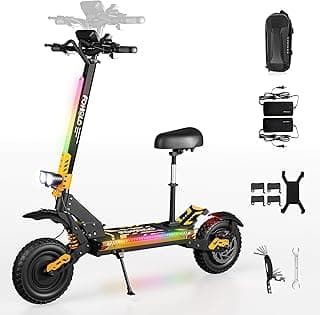
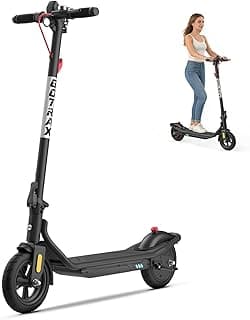
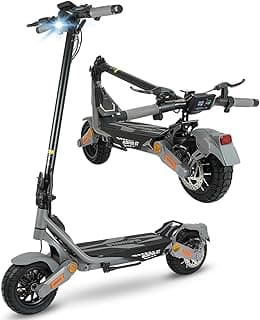
Buying Guide: Best Electric Scooters for Rough Roads
Many riders searching for electric scooters that handle rough roads worry about breakdowns from potholes, gravel, or uneven paths. The good news is that focusing on a few key factors can help you pick a model that stands up to real-world bumps without constant repairs or safety issues.
Suspension System
Suspension absorbs shocks from rough terrain, reducing vibration to your body and protecting the scooter's frame. Without it, even short rides on bumpy roads can lead to discomfort or component wear.
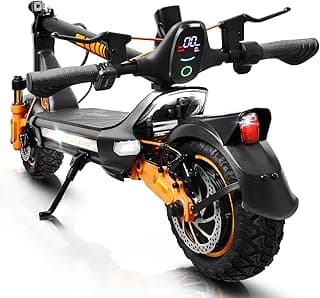
- Opt for dual suspension (front and rear) if you frequently encounter gravel or curbs.
- Single front suspension works for lighter off-pavement use, but skip no-suspension models for anything beyond smooth pavement.
- Look for adjustable settings to fine-tune for your weight and road conditions.
Tire Type and Size
Tires are your first line of defense against punctures and slips on rough surfaces. Larger, air-filled tires provide better cushioning and traction compared to small solid ones.
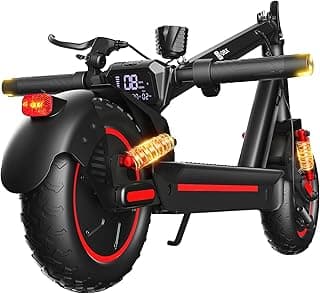
- Choose 10-inch or larger pneumatic tires for superior shock absorption on potholes and dirt paths.
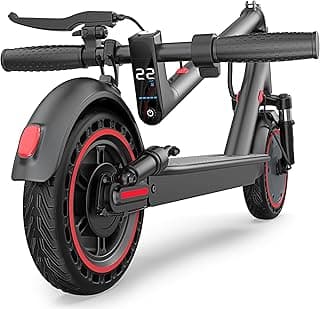
- Avoid small solid tires if rough roads are common—they offer less grip and comfort.
- If puncture-proofing matters, go for tubeless or self-sealing options without sacrificing size.
Build Quality and Frame Durability
A sturdy frame prevents bending or cracking under stress from uneven terrain. Aluminum or reinforced steel holds up better than lightweight plastics in demanding conditions.
Test for thick tubing and welded joints. If you plan daily commutes over curbs or trails, prioritize models rated for heavier loads, like 275 pounds or more.
Motor Power
Strong motors maintain speed and control on inclines or loose surfaces. Weaker ones struggle, leading to frustrating slowdowns or unsafe wobbling.
- Select at least a 500W motor for most rough-road scenarios; dual motors excel on steep hills or sand.
- If your routes are mostly flat but bumpy, a single 450W unit may suffice to save on cost and battery life.
Water Resistance Rating
Rough roads often mean puddles or wet gravel, so an IP rating protects electronics from splashes and light rain.
Aim for IP54 or higher for everyday reliability. Higher ratings like IP67 suit frequent wet conditions but aren't necessary for dry-area rough riding.
Battery Range and Capacity
Rough terrain drains batteries faster due to extra power needs for bumps and resistance. Underestimating this leads to unexpected walk-home situations.
- Target 20–30 miles per charge for practical daily use, factoring in a 20% terrain penalty.
- Removable batteries simplify charging if you lack garage access.
Braking System
Reliable brakes are crucial for quick stops on unpredictable surfaces like gravel, where momentum builds fast.
Disc brakes outperform drum types in wet or rough conditions. Dual brakes (front and rear) provide balanced stopping power—essential if you ride at speeds over 20 mph.
FAQ: Best Electric Scooters for Rough Roads
What should I look for in electric scooters for rough roads?
Prioritize models with at least 10-inch pneumatic tires for better shock absorption on uneven surfaces like gravel or potholes, plus a sturdy frame that handles vibrations without loosening parts. Dual suspension systems—front and rear—make a big difference for smoother rides over bumps. In most cases, a motor with 500W or higher ensures you maintain speed and control on challenging terrain.
How much do good electric scooters for rough terrain cost?
Expect to pay between $600 and $1,500 for reliable options that tackle rough roads without frequent breakdowns. Cheaper models under $400 often skimp on suspension and tire quality, leading to quicker wear on bumpy paths. If you're riding daily on uneven surfaces, investing around $1,000 gets you durable components that save money long-term by reducing repairs.
Are electric scooters safe on rough roads?
Safety improves with features like wide handlebars for stability, disc brakes that perform in wet or dusty conditions, and lights for low-visibility trails. Always wear a helmet and check tire pressure before rides, as rough terrain increases puncture risks. Models with IP-rated water resistance hold up better against mud or puddles common on off-road paths.
How do electric scooters for bumpy roads compare to standard commuter models?
Rough-road scooters typically have thicker tires and stronger suspension to absorb shocks, unlike commuter ones optimized for smooth pavement that can feel unstable on cracks or dirt. They might weigh more and cost extra, but offer better hill-climbing and range consistency over obstacles. If you mostly stick to city streets, a standard model suffices; for frequent rough patches, the upgraded build is worth it.
What maintenance do rough road electric scooters need?
Regularly inspect tires for punctures and inflate to recommended PSI to maintain grip on uneven ground—no special tools required beyond a basic pump. Clean the frame and suspension after muddy rides to prevent rust, and tighten bolts monthly since vibrations loosen them faster. Battery efficiency stays high if you avoid full discharges, typically lasting 20-30 miles per charge depending on terrain.
Conclusion
When selecting the best electric scooters for rough roads, prioritize robust suspension, durable tires, strong motors, and a sturdy frame to handle bumps and uneven terrain confidently.
These features ensure a smooth, reliable ride without compromising safety or performance. With the right model, you'll enjoy versatile commuting on challenging paths.
Take a moment to match your needs—distance, weight capacity, and budget—and pick the scooter that fits. Your ideal ride awaits.