Buying Guide: Best Electric Scooters for Hills
Many riders searching for electric scooters that handle hills well worry about losing power midway up an incline or dealing with a heavy, cumbersome ride. The good news is that focusing on a few key specs can help you find a model suited to your local terrain without overpaying for unnecessary features.
Motor Power
Motor power determines how effectively a scooter climbs hills without straining or slowing down. In real-world use, weaker motors often lead to frustrating stops on moderate slopes.
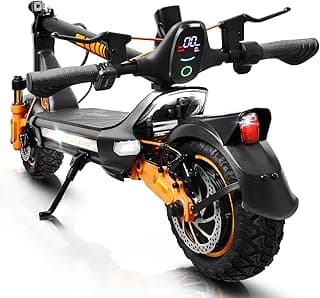
- If your routes include frequent inclines over 10% grade, look for at least 500W peak power, ideally dual motors for better torque.
- For gentler hills, a 350W motor usually suffices, keeping the scooter lighter and more affordable.
- Avoid underpowered options under 300W if hills are common—they'll drain the battery faster and reduce ride comfort.
Battery Capacity and Range
Hills demand more energy, so battery capacity directly impacts how far you can go before needing a recharge. A weak battery might cut your expected range in half on uphill routes.
- Opt for at least 10Ah (around 15-20 miles range) if hills make up 20% or more of your commute.
- If you ride shorter distances with occasional slopes, 7-9Ah batteries work fine without adding excess weight.
- Check real-world range claims, as hilly tests often reveal 20-30% less distance than flat-ground specs.
Weight and Portability
Heavier scooters provide stability on hills but can be tough to carry upstairs or store in small spaces. Balancing weight with hill performance prevents buyer's remorse.
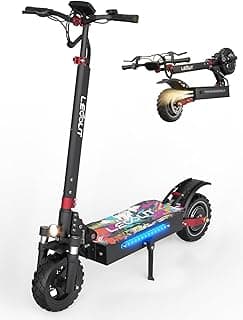
- For most users tackling hills daily, aim for 30-45 pounds—light enough to lift, sturdy enough for inclines.
- If portability is key and hills are mild, choose under 30 pounds, but expect some compromise on power.
- Test the fold mechanism; quick-folding designs under 40 pounds make urban life easier post-hill.
Tire Size and Type
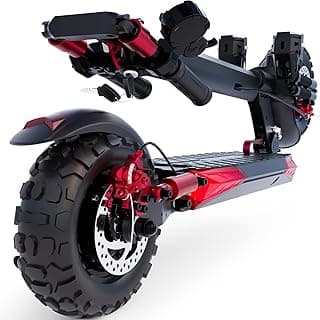
Larger, pneumatic tires offer better traction and shock absorption on uneven or steep hills, reducing slips and vibrations compared to small solid tires.
- Select 10-inch or larger tires for rough, hilly paths—they grip better and smooth out bumps.
- For smoother roads with moderate hills, 8-9 inch tires balance performance and agility.
- Avoid tiny under 8-inch tires on inclines; they increase wobble and puncture risk.
Braking System
Strong brakes are crucial for controlled descents on hills, preventing skids or overheating during repeated stops.
- Disc or drum brakes paired with electronic braking handle 15-20% grades reliably in most cases.
- If wet hills are common, prioritize dual systems (e.g., disc plus regen) for shorter stopping distances.
- Single electronic brakes suffice for flatter areas but may fade on prolonged downhills.
Build Quality and Suspension
Durable frames and suspension withstand the extra stress of hill riding, minimizing repairs over time.
- Look for aluminum alloy frames with dual suspension if potholes accompany your hills.
- For budget-conscious buyers on paved inclines, basic front suspension often provides enough comfort.
- Check max load capacity—220 pounds or higher supports varied rider weights without sagging on slopes.
By matching these factors to your specific routes—like hill steepness and daily distance—you'll select an electric scooter that performs reliably without common pitfalls like rapid battery drain or instability.
FAQ: Best Electric Scooters for Hills
What should I look for in electric scooters for hills?
To handle hills effectively, prioritize models with at least 500W motor power and a torque rating above 30Nm, as these provide the climbing force needed for steep inclines up to 20% grade. Battery capacity over 450Wh ensures you won't lose range on uphill rides, and dual motors offer better traction on uneven terrain. In most cases, checking the manufacturer's hill-climbing specs under real-world load will confirm performance before buying.
Are electric scooters for hills more expensive than flat-terrain models?
Yes, hill-capable scooters typically cost 20-50% more due to stronger motors and larger batteries, often starting around $800 for reliable options. If you're in hilly areas, the extra investment pays off in consistent power and fewer frustrating stalls. Budget models under $500 usually struggle on inclines over 10%, so weigh your terrain against long-term satisfaction.
How safe are electric scooters designed for hills?
Hill-focused scooters enhance safety with features like wider tires for grip, hydraulic brakes that perform well under downhill speeds, and suspension systems to absorb bumps. Always wear a helmet and use lights for visibility, especially on descents where momentum builds quickly. If riding steep hills daily, opt for models with IP-rated water resistance to handle variable weather conditions safely.
Do I need any installation or setup for hill-climbing electric scooters?
Most arrive nearly ready-to-ride with basic assembly like attaching handlebars and folding mechanisms, taking under 30 minutes with included tools. No complex wiring or professional installation is required, but charge the battery fully before first use and update any app firmware for optimal hill performance. In rare cases with heavy-duty models, securing the deck bolts extra tight prevents vibrations on rough inclines.
How efficient are electric scooters for hills compared to regular ones?
Hill scooters maintain better efficiency with efficient motors that deliver power without excessive drain, often achieving 15-25 miles per charge even with frequent climbs. Compared to standard models, they lose less range on inclines thanks to higher torque, making them ideal for mixed terrain routes. Real-world tests show they outperform basics by handling 15-20% grades without slowing to a crawl.
Conclusion
When selecting the best electric scooters for hills, prioritize powerful motors, robust torque, and sturdy builds to ensure smooth performance on inclines. Key factors like battery efficiency and weight capacity make a real difference in tackling steep terrain confidently.
With these insights, you're equipped to make an informed choice that matches your needs and riding style. Take a moment to compare specs, and pick the model that best fits your hilly adventures for reliable, enjoyable rides ahead.