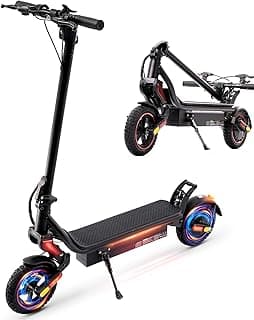
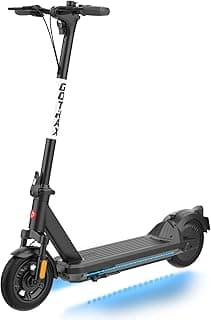
Buying Guide: Best Electric Scooters for Commuting
Choosing an electric scooter for your daily commute often feels overwhelming with so many options promising long rides and high speeds. In reality, most commuters just need a reliable ride that handles real-world paths without constant recharging or safety worries.
Range and Battery Life
Range determines how far you can travel on a single charge, which is crucial for avoiding mid-commute stops. For typical urban commutes of 10-20 miles round trip, aim for at least 20-30 miles per charge to account for hills, wind, and detours.
- If your route is mostly flat and under 10 miles, a 15-20 mile range works fine.
- Opt for larger batteries if you carry extra weight or face frequent inclines, but note they add cost and bulk.
- Avoid models under 15 miles unless your trips are very short, as real-world factors often cut advertised range by 20-30%.
Motor Power and Speed
Motor power affects acceleration and hill-climbing, while speed impacts commute time. Most commuters benefit from 350-500W motors that reach 15-20 mph, balancing efficiency with legal limits in many areas.
- Choose 500W+ if your path has steep hills or you need quick merges into traffic.
- If you stick to flat streets and prioritize battery savings, 250-350W suffices for speeds up to 15 mph.
- Steer clear of high-speed models over 25 mph for commuting, as they drain batteries faster and may require special licenses.
Weight and Portability
A lighter scooter is easier to carry up stairs, store in an office, or lift onto public transit. For commuters using buses or apartments without elevators, target under 35 pounds.
- If portability is key, prioritize foldable designs under 30 pounds with quick-lock mechanisms.
- Heavier models over 40 pounds suit garage storage but complicate multi-modal trips.
- Test the folded size against your car trunk or bag if combining with driving.
Tires and Ride Comfort
Tire type influences stability and puncture resistance on city streets with cracks, debris, and curbs. Pneumatic tires offer better shock absorption but need occasional maintenance, while solid tires prioritize durability.
- Select 8-10 inch pneumatic tires for smoother rides over rough pavement.
- Go for solid or tubeless tires if you want low-maintenance commuting without flats.
- Avoid tiny under 8-inch wheels, as they transmit more vibrations and struggle with obstacles.
Safety Features
Safety reduces accident risks in traffic. Look for reliable disc or drum brakes, bright LED lights, and reflectors to enhance visibility during dawn or dusk commutes.
- Disc brakes provide stronger stopping power in wet conditions compared to electronic braking alone.
- Integrated front and rear lights, plus turn signals, help in low-light urban settings.
- Choose models with UL2272 certification if concerned about battery fire risks, as they meet tested safety standards.
Build Quality and Weather Resistance
Durable construction withstands daily wear, rain, and dust. An IP54+ rating protects against splashes and light rain common in commutes.
- Aluminum or steel frames with reinforced welds hold up better for long-term use.
- If you ride in frequent rain, seek IP65+ ratings; otherwise, IP54 suffices for occasional showers.
- Check deck size for comfortable footing—at least 6x18 inches prevents slips.
Price and Value
Prices range from $400-$1500 for solid commuters. Focus on value by matching features to your needs rather than chasing the cheapest option.
- Spend $600-900 for balanced range, power, and safety in most cases.
- If budget is tight under $500, ensure it meets your minimum range and has basic brakes.
- Factor in warranty length—1-2 years covers defects without surprise repair costs.
Frequently Asked Questions About Electric Scooters for Commuting
What are the best electric scooters for commuting on a budget?
If you're looking for affordable electric scooters suitable for daily commutes, focus on models priced between $400 and $800 that offer at least 15-20 miles of range per charge. These budget options typically handle urban streets well without sacrificing too much speed or battery life, making them practical for most riders saving on gas costs. In most cases, check for solid build quality and a warranty to ensure longevity, as cheaper models can wear out faster with heavy use.
How do I ensure safety when choosing an electric scooter for commuting?
Prioritize scooters with disc brakes, bright LED lights, and reflectors for better visibility during morning or evening rides. Models with wider tires and suspension provide stability on uneven city paths, reducing the risk of falls. Always wear a helmet and consider scooters with speed limits around 15-20 mph to match traffic safely, especially if you're new to commuting this way.
What's the setup process like for commuter electric scooters?
Most electric scooters for commuting arrive nearly ready to ride, requiring just attaching the handlebars and folding mechanisms, which takes about 10-15 minutes with basic tools like an Allen wrench. Charging the battery fully before first use is straightforward—plug into a standard outlet for 4-6 hours. If your model includes an app, download it to customize settings, but no complex installation is needed for daily urban trips.
How efficient are electric scooters for daily commuting?
Electric scooters excel in efficiency for commutes under 10 miles round-trip, often delivering 20-30 miles per charge depending on your weight and terrain. They cost pennies per mile in electricity compared to driving, and quick acceleration helps navigate traffic without much effort. For longer routes, opt for higher-capacity batteries to avoid frequent recharges at work or home.
How do commuter electric scooters compare in terms of range and speed?
Entry-level models offer 15-20 mph top speeds with 15-mile ranges, ideal for short city hops, while upgraded versions push 25 mph and 25+ miles for suburban commutes. Lighter scooters sacrifice some range for portability, so compare weight and battery size to match your route—hills reduce efficiency in most cases. Faster speeds improve on highways but demand better brakes for safety.
Conclusion
Choosing the best electric scooters for commuting comes down to balancing range, battery life, portability, and build quality for your daily rides. Prioritize models with reliable performance and safety features to match your commute length and terrain.
With the right factors in mind, you're well-equipped to make a confident decision that enhances your routine. Take a moment to assess your needs and select the scooter that fits seamlessly into your lifestyle today.