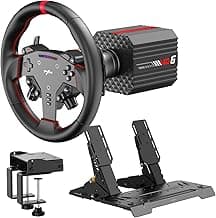
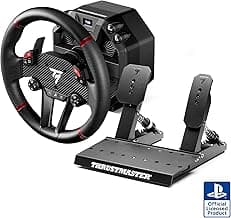
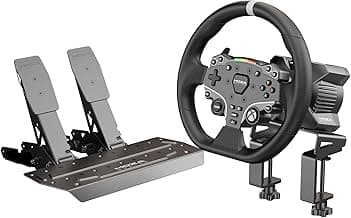
Buying Guide: Best Direct Drive Racing Wheels
Choosing among direct drive racing wheels can feel overwhelming with all the specs and options out there. Many buyers worry about matching the wheel to their setup or ending up with something too powerful for casual use. This guide breaks down the key factors to help you focus on what matters for your sim racing sessions.
Wheelbase Strength (Nm Rating)
The torque rating, measured in Newton-meters (Nm), determines how much force the wheelbase delivers to simulate real car feedback. In real use, higher Nm provides more immersive detail like tire grip loss, but it requires a sturdy rig to handle the forces.
- If you're new to sim racing or have a basic desk mount, opt for 5-8 Nm to avoid vibrations shaking everything loose.
- For dedicated cockpits and serious practice, 10-20 Nm or more shines in delivering nuanced road feel.
- Avoid jumping to the highest ratings unless your setup can support it—otherwise, you'll deal with instability rather than enjoyment.
Steering Wheel Diameter and Ergonomics
Wheel diameter affects comfort and realism, mimicking different car types. Smaller diameters suit formula cars for quick inputs, while larger ones feel natural for GT or road cars during long sessions.
- Go for 270-300mm if you race open-wheel or sports cars—it's agile without fatigue.
- Choose 320-350mm for muscle cars or rally, offering better leverage for precise control.
- Check grip material and adjustability; leather or suede with quick-release helps if you switch vehicles often.
Compatibility with Platforms and Pedals
Direct drive systems need seamless integration with your PC, console, or VR setup. Mismatched hardware leads to setup headaches or lost features like force feedback tuning.
- Verify ecosystem support—most work best within their native software for full customization.
- If you mix pedals or shifters, prioritize bases with multiple USB ports and standard mounting patterns.
- For console gamers, confirm native compatibility to skip adapters that can introduce lag.
Build Quality and Durability
A solid build ensures the wheel withstands intense sessions without wear. Metal internals and robust bearings matter more than flashy exteriors for long-term reliability.
- Look for direct drive bases with active cooling to prevent overheating during extended races.
- Choose wheels with reinforced spokes and hubs if you apply heavy force feedback.
- In most cases, investing in higher-quality components reduces repairs over time, especially for frequent users.
Software and Customization Features
Good software lets you tweak force effects, button mapping, and profiles. This is crucial for tailoring feedback to different cars or tracks without constant adjustments.
- If you race variety, pick systems with intuitive apps for quick profile switches.
- Advanced tuning options help fine-tune damping and friction if realism is your goal.
- Avoid basic setups if you want telemetry integration for data-driven improvements.
Noise Levels and Placement
Direct drive motors can get loud, impacting shared spaces or late-night use. Understanding decibel output helps decide on placement or add-ons.
- Under 60dB works for apartments; higher is fine in garages.
- Desk users benefit from quieter models to minimize desk buzz.
- Consider isolation mounts if noise bothers housemates—simple fix for most setups.
Cost and Value Over Time
Prices range widely, so balance upfront cost with expandability. Direct drive offers superior feel over belts, but entry points make it accessible without breaking the bank.
- For casual racers, $400-800 bundles provide great entry without excess power.
- Serious enthusiasts find value in $1000+ for future-proofing with upgrades.
- Factor in rig needs—sometimes a mid-range base plus pedals totals less than mismatched high-end gear.
By weighing these factors against your space, budget, and racing style, you'll land on a direct drive wheel that enhances your setup without common pitfalls like overspending or poor fit.
Frequently Asked Questions About Direct Drive Racing Wheels
What are the best direct drive racing wheels for beginners on a budget?
If you're new to sim racing and watching your wallet, look for entry-level direct drive racing wheels around $400-$600 that still deliver strong torque without skimping on build quality. These models often provide 5-8Nm of force feedback, which feels immersive for casual track sessions without the premium price tag. In most cases, they pair well with popular racing games and offer better long-term value than belt-driven alternatives.
Are direct drive racing wheels safe for home use?
Direct drive racing wheels are generally safe if you secure the wheelbase properly to a sturdy rig or desk clamp to prevent tipping during intense races. Most units include slip rings to avoid cable twisting, reducing wear and potential hazards, but always check weight ratings for your setup. Users report no major safety issues when following basic mounting guidelines, making them reliable for family game rooms.
How easy is installation for top direct drive racing wheels?
Installation typically takes 15-30 minutes with plug-and-play USB connectivity and included clamps or screws for most desks or cockpits. You'll need to download firmware updates via the manufacturer's software, but it's straightforward with on-screen prompts—no advanced tech skills required. If your PC meets minimum specs like USB 3.0, you'll be racing in under an hour without compatibility headaches.
How do direct drive wheels compare to other types in performance?
Direct drive racing wheels outperform gear or belt systems with direct motor-to-steering precision, giving you road-like feedback for clipping apexes perfectly. They handle high-force detailing like curb rumble better, though they cost more upfront; efficiency shines in long sessions with less heat buildup. For serious racers, the upgrade justifies the investment over cheaper options that feel mushy.
What's the real cost of owning the best direct drive racing wheels?
Expect $500-$1500 for quality direct drive racing wheels, plus $200-$500 for pedals and a mounting rig if not bundled. Ongoing costs are low with rare part replacements, but factor in a powerful PC for peak performance. Many users find they save money long-term by sticking with one solid setup instead of upgrading cheaper wheels repeatedly.
Conclusion
Choosing the best direct drive racing wheels comes down to balancing force feedback strength, build quality, and compatibility with your setup. Key factors like rotation angle, ecosystem integration, and pedal bundles ensure an immersive racing experience without compromise.
With options across budgets, you're well-equipped to find a reliable performer that elevates your sim racing. Take a moment to match features to your needs, and confidently gear up for precision control on the track.