Dahle Paper Trimmers Buying Guide
Choosing among the best Dahle paper trimmers can feel overwhelming with so many sizes and features available. Many buyers worry about picking a model that's either too bulky for their space or lacks the precision needed for frequent use. This guide breaks down the key factors to help you match a trimmer to your actual needs.
Cutting Capacity and Paper Size
Cutting capacity determines how much paper you can handle at once, which matters most for efficiency during real-world tasks like crafting or office printing.
- If you mainly trim letter-size sheets, a capacity of 12–15 inches works well for most users.
- Opt for 24–36 inches if dealing with posters or large graphics to avoid multiple passes.
- Avoid oversized models unless your workflow demands it, as they take up more desk space.
Blade Type and Cutting Mechanism
The blade style affects cut quality and longevity, especially if you're trimming photos or specialty papers that require clean edges without tearing.
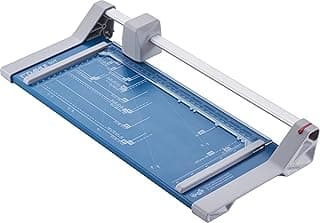
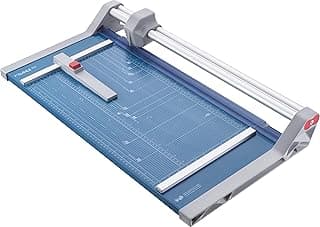
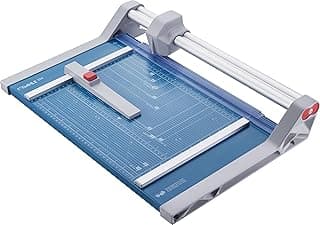
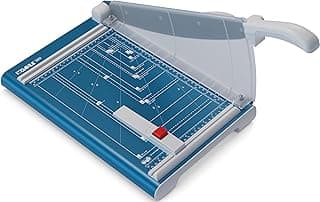
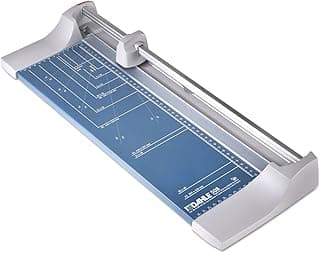
- Rotary blades generally provide smoother cuts for high-volume use.
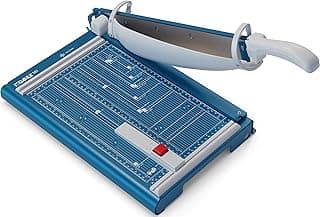
- Guillotine styles suit occasional straight cuts but may need more frequent sharpening.
- If precision is key, then choose models with self-sharpening blades to maintain performance over time.
- Look for transparent clamps and blade guards that secure paper while keeping fingers clear.
- Models with locking mechanisms prevent accidental activation during storage.
- For most users, these built-in features make operation safer than basic cutters—no extra setup required.
- Metal bases and rails offer better stability than plastic for daily tasks.
- If portability matters, then select lighter aluminum frames that still resist bending.
- Check for solid wood or composite tables, as they provide a flat surface for accurate measurements.
- Compact desktop units (15–20 inches wide) fit small offices or home studios.
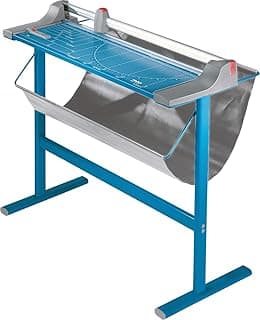
- Larger floor-standing options suit print shops but need dedicated space.
- If you move it often, prioritize models under 20 pounds with handles for easy carrying.
- Integrated rulers and grid markings help with repetitive sizing.
- Adjustable stops save time on batch cutting.
- For most casual users, basic alignment guides suffice without inflating cost.
Safety Features
Safety is a common concern, particularly in shared workspaces or homes with kids, but Dahle trimmers often include straightforward protections that reduce risks without complexity.
Build Quality and Durability
A sturdy build ensures the trimmer holds up to repeated use, avoiding wobbles that lead to uneven cuts over time.
Size, Portability, and Storage
Space constraints often trip up buyers, so matching the trimmer's footprint to your setup prevents regret after purchase.
Additional Features for Ease of Use
Extras like measurement scales can speed up workflows, but only add value if they align with your routine.
By focusing on your cutting volume, space, and safety priorities, you'll narrow down to a Dahle paper trimmer that performs reliably without unnecessary extras.
Frequently Asked Questions About the Best Paper Trimmers
What are the best paper trimmers for everyday office use?
The top paper trimmers excel in precise cuts for stacks up to 20-30 sheets, with sturdy metal bases that resist warping over time. If you're handling frequent trimming of flyers, photos, or reports, models with self-sharpening blades offer consistent performance without constant maintenance. Users appreciate their balance of durability and ease, making them ideal for small businesses or home offices.
How much do high-quality paper trimmers typically cost?
Expect to pay between $100 and $400 for reliable guillotine-style trimmers that deliver professional results. Cheaper options under $50 often lack precision and safety, leading to uneven cuts and quicker wear. For the best value, focus on mid-range models if your volume is moderate, as they hold up better for daily use without breaking the bank.
Are modern paper trimmers safe for home or school environments?
Yes, the best ones feature blade guards, transparent clamps, and finger-safe mechanisms that prevent accidental injuries during operation. In most cases, these safety elements make them suitable for classrooms or family craft areas, as long as you follow the simple setup instructions. Always demonstrate proper technique to younger users to maximize security.
How easy is it to set up and use a professional paper trimmer?
Setup usually takes under 10 minutes—just unfold the base, attach the blade if needed, and align the paper guide. No tools are required for most models, and the alignment grid helps with accurate measurements right away. If you're new to them, practice on scrap paper first to get comfortable with the cutting motion for efficient, straight edges every time.
How do the best paper trimmers compare to standard craft scissors for efficiency?
Paper trimmers cut through multiple sheets cleanly in seconds, far outpacing scissors which struggle with stacks and cause jagged edges. For high-volume tasks like preparing marketing materials, trimmers save hours weekly and reduce hand fatigue. While scissors work for small jobs, switching to a trimmer boosts productivity if efficiency is your main concern.
Conclusion
When selecting the best Dahle paper trimmers, focus on blade quality, cutting capacity, and safety features that align with your needs. Models vary in precision for small crafts or heavy-duty tasks, ensuring reliable performance over time.
You can confidently choose based on these key factors, knowing each option delivers consistent results. Take a moment to match the right trimmer to your workflow and elevate your projects today.