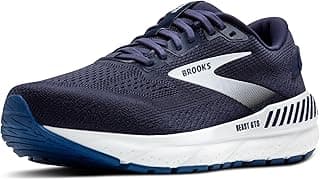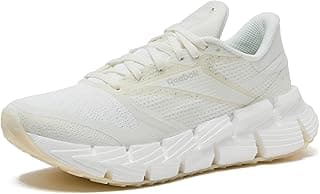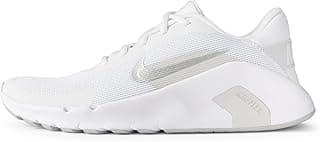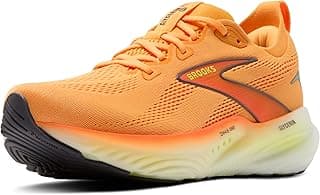

Buying Guide: Best Cushioned Running Shoes
Many runners feel overwhelmed when searching for cushioned running shoes, unsure if extra padding will actually reduce impact or just add bulk. The good news is that focusing on a few key factors can help you find a pair that matches your needs without guesswork.
Cushioning Type and Stack Height
Cushioning absorbs shock during runs, which matters most for joint protection on longer distances or harder surfaces. Stack height—the measurement of midsole foam from heel to ground—typically ranges from 25mm to 40mm in cushioned models.
- If you run high mileage or have joint concerns, look for higher stack heights around 35mm+ for plush protection.
- For shorter runs or faster paces, medium stack heights near 28-32mm often balance comfort and responsiveness.
- Avoid overly soft foams if you need stability, as they can compress quickly and lead to fatigue.
Heel-to-Toe Drop
The drop is the height difference between heel and forefoot, influencing your stride and calf strain. A drop of 8-12mm suits most heel strikers seeking cushioned shoes.
- If you're a heel striker, choose 10mm+ drops to ease Achilles stress.
- Forefoot or midfoot strikers may prefer 4-8mm for a more natural feel without sacrificing cushion.
- Test in-store if possible; a mismatched drop can cause blisters or discomfort after a few miles.
Weight and Responsiveness
Lighter shoes with cushioning feel less sluggish, helping maintain pace on daily runs. Cushioned pairs generally weigh 9-11 ounces per shoe for men and 7-9 ounces for women.
If you prioritize speed over max plushness, opt for shoes under 10 ounces. Heavier builds suit recovery runs where energy return from the foam matters less than all-day comfort.
Fit and Sizing Considerations
A snug yet roomy fit prevents blisters and hotspots, especially since feet swell during runs. Cushioned shoes often run true to size but allow half to full thumb's width in the toebox.
- Go half-size up if you have wide feet or wear thicker socks.
- Try on in the afternoon when feet are naturally larger.
- Check for secure midfoot lockdown to avoid side-to-side movement in plush designs.
Durability and Outsole Grip
Quality outsoles last 300-500 miles, vital for frequent runners to avoid early replacements. Rubber coverage on the heel and forefoot provides traction on wet or uneven paths.
If you run on roads mostly, focus on abrasion-resistant heels. For trails, seek aggressive lugs without compromising the shoe's cushioned ride.
Breathability and Upper Materials
Engineered meshes keep feet cool and dry, reducing overheating on warm runs. In cushioned shoes, this prevents the padding from feeling swampy after 30+ minutes.
- Choose seamless uppers if prone to irritation.
- For colder climates, thicker overlays add warmth without bulk.
Price and Value Balance
Cushioned running shoes range from $100-180, with mid-range options often delivering the best longevity per dollar. Higher prices fund advanced foams, but don't overspend if you're a casual runner.
If budget is tight, prioritize cushion durability over flashy features—replacements every 400 miles add up faster than initial savings.
Frequently Asked Questions About Cushioned Running Shoes
What are the best cushioned running shoes for long-distance comfort?
For long runs, prioritize shoes with plush foam midsoles that absorb impact without feeling mushy. In most cases, models with responsive cushioning help maintain energy return, reducing fatigue over 10+ miles. Test the fit in-store if possible, as heel-to-toe drop around 8-10mm suits most runners seeking all-day comfort.
How much do good cushioned running shoes typically cost?
Expect to pay between $120 and $160 for well-cushioned options that balance quality and durability. Cheaper pairs under $100 often wear out faster, leading to replacement every 200 miles instead of 400. If you're running high mileage, investing more upfront saves money long-term by preventing injuries from breakdown.
Are cushioned running shoes safe for overpronators or beginners?
Yes, many highly cushioned designs include stability features like wider bases to support overpronators safely. Beginners benefit from the extra padding that eases joint stress during early training. Always pair with proper socks and gradual mileage increases to maximize safety and avoid blisters or strains.
How do I know when to replace my cushioned running shoes?
Replace them every 300-500 miles, or when the midsole feels flat and loses bounce—check by pressing the heel. Worn-out cushioning increases injury risk like shin splints, so track mileage with a running app. If creases form deeply in the foam or you notice more soreness post-run, it's time for new ones.
What cushioned running shoes are best for heavy runners or wide feet?
Look for shoes with high-stack foam heights over 30mm and roomy toe boxes for heavier builds or wider feet. These provide reliable shock absorption without compressing quickly under extra weight. Options with breathable uppers prevent hot spots, keeping your runs comfortable even on hot days.
Conclusion
Choosing the best cushioned running shoes comes down to balancing ample cushioning for impact protection, a comfortable fit, and reliable durability to match your running style and mileage. Prioritize models that offer responsive foam midsoles and breathable uppers for all-day comfort on roads or trails.
With these key factors in mind, you're well-equipped to make a confident decision. Take a moment to assess your needs and select the pair that feels right—your runs will thank you for the extra protection and performance.