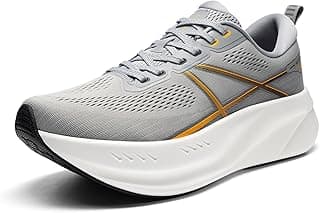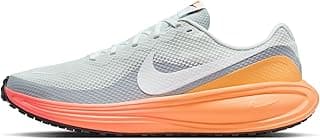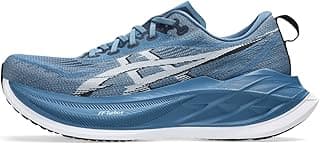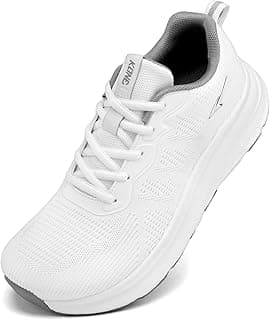

Buying Guide: Best Cushioned Road Running Shoes
Choosing cushioned road running shoes often feels overwhelming with so many options promising comfort and support. Many runners worry about picking a pair that feels great at first but leads to fatigue or injury over time. This guide breaks down the key factors to focus on, helping you match shoes to your running style and needs without common pitfalls.
Cushioning Type and Stack Height
Cushioning is the heart of these shoes, absorbing impact during road runs to reduce stress on joints. In real use, it prevents the "hitting a wall" feeling on longer runs or harder surfaces.
- Look for 25–35mm stack height in the heel for everyday road running; lower if you prefer a grounded feel.
- Choose foam-based midsoles for plushness if you're a heavier runner or logging high mileage; opt for firmer options if you need quicker responsiveness.
- Avoid overly soft cushioning if you run fast paces, as it can compress too much and slow you down.
Heel-to-Toe Drop
The drop measures the height difference between heel and forefoot, affecting your stride and calf strain. It matters most for transitioning runners or those with Achilles issues.
- If you heel strike, go for a 8–12mm drop to ease landing.
- For midfoot or forefoot strikers, select 4–8mm to promote natural form.
- Test in-store if possible; a mismatched drop often leads to early soreness on roads.
Weight and Responsiveness
Lighter shoes save energy on tempo runs, while slightly heavier ones offer more protection for recovery days. Balance this based on your pace and distance goals.
In practice, aim for 8–10 ounces per shoe for most road runners. If you prioritize bounce over minimalism, choose responsive foams that return energy without excess bulk.
Fit and Upper Materials
A snug yet roomy fit prevents blisters and hotspots, crucial for consistent road training. Poor fit is a top reason shoes get shelved unused.
- Ensure 1 thumb-width of toebox space and a secure midfoot; size up half a size for swelling on long runs.
- Pick breathable engineered mesh uppers for warm climates to avoid sweaty feet; thicker options work if you run in cooler weather.
- Try lockdown features like gusseted tongues if your feet shift during strides.
Durability and Outsole Grip
Road outsoles need to handle pavement abrasion without wearing thin quickly. This factor shines in longevity, keeping replacement costs down.
Seek rubber coverage on high-wear areas with a durometer rating around 80–85 HC for grip on wet roads. If you mix in light trails, choose versatile lugs; purely paved runners can skip aggressive patterns.
Stability and Support Features
Not all cushioned shoes are neutral; some include guidance for overpronators. Evaluate this if you notice inward rolling or knee pain post-run.
- If neutral, they suit balanced gaits for most users.
- Then add mild stability elements like medial posts if you overpronate moderately; avoid rigid setups unless prescribed.
- Pair with your gait—get analyzed if unsure—to match real-world support without restricting motion.
Price and Value Balance
Expect to spend $120–$160 for quality cushioned road shoes that last 300–500 miles. Cheaper pairs often sacrifice cushion life, leading to frequent buys.
Weigh your weekly mileage: high-volume runners benefit from premium foams, while casual users find solid value mid-range. Check return policies to test comfort risk-free.
Frequently Asked Questions About Cushioned Road Running Shoes
What are the best cushioned road running shoes for everyday training?
The top cushioned road running shoes for daily runs prioritize thick midsoles that absorb impact without sacrificing responsiveness, making them ideal if you log 20-40 miles weekly on pavement. Look for models with at least 30mm heel stack height and a plush foam that rebounds well after compression. In most cases, these shoes reduce fatigue on longer runs compared to minimalist options, helping you stay consistent.
How much do good cushioned road running shoes cost?
Expect to pay between $120 and $160 for reliable cushioned road running shoes that balance cushioning, durability, and value. If you're on a tighter budget under $100, you might find solid entry-level pairs, but they often wear out faster after 300 miles. Higher-priced options justify the cost with better energy return and longevity, especially for frequent runners.
Are cushioned road running shoes safe for high-mileage runners?
Yes, the best cushioned road running shoes enhance safety by minimizing stress on joints and reducing injury risk from repetitive pavement pounding. Their ample padding helps if you have pronation issues or run on uneven surfaces, though proper fit is key to avoid blisters. Most users report fewer shin splints and knee aches after switching, but combine them with strength training for optimal protection.
How do cushioned road running shoes compare to standard trainers?
Cushioned road running shoes stand out with extra foam layers for superior shock absorption, outperforming standard trainers on long runs over 10 miles where fatigue sets in. While standard models feel lighter and snappier for speedwork, cushioned ones excel in comfort for recovery days or marathon training. Choose based on your weekly volume—if over 30 miles, the added protection is worth the slight weight increase.
What's the break-in period for new cushioned road running shoes?
Most cushioned road running shoes require just 10-20 miles to break in, as their soft foams conform quickly without much stiffness. Start with shorter 3-5 mile runs to let the upper materials mold to your foot and prevent early hotspots. If they feel off after a week, check sizing—too snug can delay comfort, but in most cases, they're run-ready from the first outing.
Conclusion
When selecting the best cushioned road running shoes, prioritize ample cushioning for joint protection, a snug yet flexible fit, and durable outsoles for everyday road pounding. These elements ensure comfort over long miles without sacrificing responsiveness.
With the right pair, you can run confidently, reducing injury risk and enhancing enjoyment. Consider your foot shape, mileage, and preferences to find the ideal match. Lace up today and experience the difference good cushioning makes on your next run.