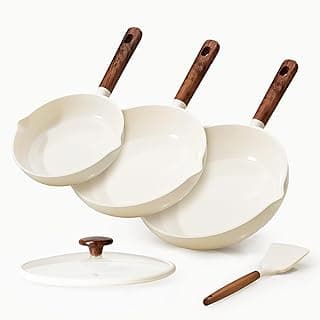
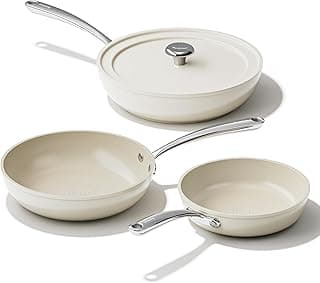
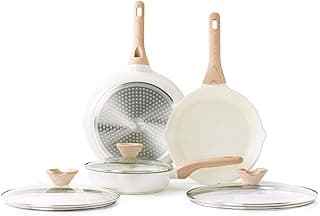
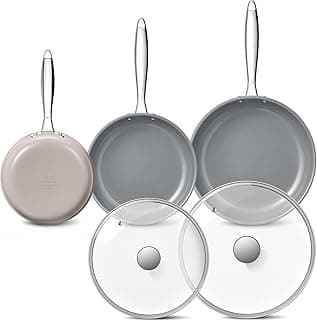
Buying Guide: Finding the Right Ceramic Frying Pan for Your Kitchen
Many home cooks hesitate when considering ceramic frying pans, worried about whether they'll hold up to daily use or truly deliver on nonstick promises without the health concerns of traditional coatings. This guide breaks down the key factors to help you evaluate options practically, focusing on real-world performance so you can pick one that fits your cooking style.
Surface Coating Quality
The coating determines how well the pan releases food and cleans up after meals. In everyday cooking, a high-quality ceramic layer resists scratching and maintains nonstick properties longer, especially if you use utensils occasionally.
- Look for reinforced ceramic coatings rated for medium to high heat if you sear often.
- Avoid thin or basic layers that wear quickly under metal tools.
If you cook acidic foods like tomatoes frequently, then opt for multi-layer coatings to prevent breakdown over time.
Size and Capacity
Pan size affects what you can cook efficiently—too small, and food crowds and steams; too large, and it heats unevenly on standard burners. For most users, an 10-12 inch diameter strikes a balance for family meals or solo cooking.
- Choose 8-10 inches for quick tasks like eggs or single servings.
- Go larger, around 12 inches, if you often prepare stir-fries or multiple portions.
Consider your stovetop burner size; if it's small, a oversized pan may lead to hot and cool spots.
Heat Distribution and Retention
Even heating prevents burning in one area while the rest undercooks. Ceramic pans with a solid aluminum or steel base conduct heat steadily, ideal for tasks like pancakes or veggies.
- Prioritize pans with thick bases, at least 3-4mm, for consistent results on gas or electric stoves.
- Steer clear of very thin bottoms that warp or hotspot easily.
For induction cooktops, ensure the base is magnetic; otherwise, heat won't transfer properly.
Durability and Build Materials
A sturdy build withstands regular use without denting or losing shape. Ceramic pans with reinforced edges and quality riveted handles last through hundreds of cycles.
- Select die-cast aluminum bodies for lighter weight and strength in most cases.
- Avoid lightweight stamped designs if you move the pan often from stove to sink.
If you store pans stacked, look for those with smooth exteriors to minimize scratches from contact.
Handle Comfort and Oven Safety
Handles that stay cool and feel secure make flipping food safer and easier. Many ceramic frying pans are oven-safe up to 450-500°F, useful for finishing dishes.
- Choose ergonomic, stay-cool handles if you cook long sessions.
- Confirm oven-safe ratings match your recipes, like broiling.
For high-heat oven use, metal handles often outperform plastic ones that might melt.
Cleaning and Maintenance Ease
Simple cleanup saves time after meals. Ceramic surfaces wipe clean with minimal effort when used right, but proper care extends life.
- Hand-wash recommended for longevity; dishwasher-safe options work if you're careful.
- Avoid abrasive scrubbers to preserve the coating.
If you cook greasy foods often, then a sloped design helps drain oil during washing.
Price vs. Long-Term Value
Budget options start around $20-40, while mid-range at $50-80 offer better coatings and builds. Higher upfront cost often means fewer replacements.
For occasional use, a lower-priced pan suffices; if daily cooking is your routine, invest in one with proven durability to avoid frequent buys.
Frequently Asked Questions About the Best Ceramic Frying Pans
Are ceramic frying pans safe for everyday cooking?
Ceramic frying pans are generally safe due to their non-stick coating made from natural minerals, which avoids the chemical concerns of traditional options. In most cases, they don't release fumes at high temperatures if used properly, making them suitable for family meals. Always check for PFOA-free labels and avoid metal utensils to preserve the surface.
How much do good ceramic frying pans cost?
Quality ceramic frying pans typically range from $30 to $80, depending on size and features like oven-safety or multi-layer coatings. If you're cooking daily, investing around $50 gets you even heating and durability that lasts 1-2 years with care. Cheaper models under $30 often wear out faster, so balance cost with your usage frequency.
Do ceramic frying pans perform better than stainless steel or cast iron?
Ceramic frying pans excel in easy food release and quick cleanup compared to stainless steel, which can stick without oil, or cast iron, which requires seasoning. They heat evenly on most stovetops but may not hold heat as long as cast iron for searing. For low-to-medium cooking like eggs or veggies, ceramic often wins for convenience without sacrificing much performance.
How do you care for a ceramic frying pan to make it last?
Hand washing with a soft sponge keeps the non-stick surface intact longer than dishwashers, which can degrade the coating over time. Avoid high heat empty and preheat with oil to prevent sticking. With this routine, many users report 18-24 months of reliable use before needing replacement.
Can ceramic frying pans go in the oven or on induction stoves?
Most ceramic frying pans are oven-safe up to 450-500°F and work on induction if the base is magnetic, so check the bottom before buying. They're efficient across gas, electric, and glass cooktops with fast, even heating. If induction is your setup, test with a magnet or look for compatible markings to ensure seamless use.
Conclusion
When selecting the best ceramic frying pans, focus on even heat distribution, durability, and easy maintenance. These factors ensure reliable performance for everyday cooking without sticking issues or harmful chemicals.
With the right choice, you gain confidence in a versatile, healthier cooking tool that lasts. Consider your cooking style and needs to pick the ideal model, and enjoy seamless meals with peace of mind.