Buying Guide: Best Cast Iron Cookware
Many home cooks feel overwhelmed when shopping for cast iron cookware, unsure if a heavy skillet will rust easily or perform well on their stove. This guide breaks down the key factors to consider, helping you focus on pieces that fit your cooking style and kitchen setup without common pitfalls.
Seasoning and Maintenance
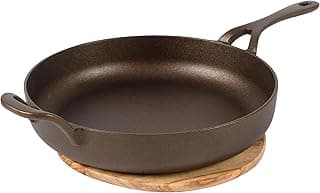
Seasoning creates a natural nonstick surface on cast iron, which improves with use and makes cooking and cleanup easier. Without it, food can stick and the pan may rust over time.
If you cook acidic foods like tomatoes frequently, choose pre-seasoned options and re-season regularly to maintain performance. For everyday use, a quick wipe with oil after washing keeps it protected—avoid soap unless necessary to prevent stripping the seasoning.
- Start with oven-baked seasoning if buying bare cast iron
- Avoid dishwashers, which can erode the seasoning
- In most cases, well-maintained cast iron lasts generations
Size and Capacity
The right size depends on your household and cooking habits—a too-small skillet cramps batches, while oversized ones are hard to store and heat evenly on standard burners.
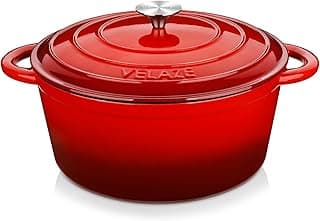
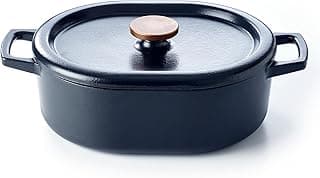
For solo cooks or sides, opt for 8-10 inch skillets. Families cooking mains benefit from 10-12 inch sizes. If you batch cook or entertain, consider Dutch ovens with 5-7 quart capacity for stews and breads.
Measure your stove burners first; pieces larger than 12 inches may not heat uniformly on home ranges.
Weight and Handling
Cast iron's heft retains heat exceptionally well, but heavy pieces can be tricky for quick flips or if you have limited wrist strength.
If you stir-fry or handle hot pans often, look for lighter designs around 5-6 pounds for skillets. For oven-to-table use, heavier builds up to 8 pounds hold heat longer during slow cooks.
Helper handles on lids and bodies make a noticeable difference—test in-store if possible to ensure comfortable grip.
Heat Compatibility
Cast iron works on nearly all cooktops, but mismatched heat sources can lead to uneven cooking or warping risks.
For induction stoves, confirm smooth bases for full contact. Gas and electric users generally have no issues, as cast iron spreads heat steadily. All types excel in ovens up to 500°F.
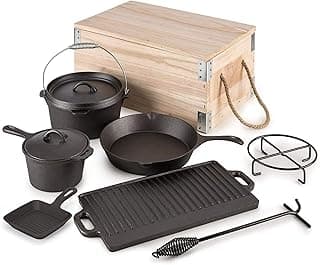
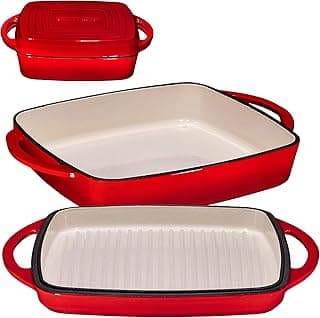
If camping, prioritize pieces with lids that double as griddles for versatile open-flame use.
Construction and Thickness
Thicker walls provide superior heat retention for searing and baking, but thinner ones heat up faster for quick tasks.
Choose pieces with walls at least 1/4 inch thick for durability in high-heat cooking. Smooth interiors reduce sticking, while polished bottoms prevent scratching glass cooktops.
- Avoid overly thin cast iron, which can crack under thermal shock
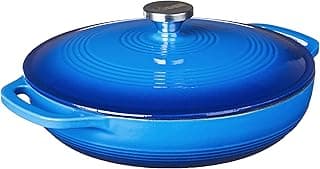
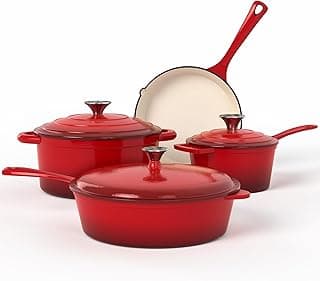
- Enameled interiors suit those avoiding seasoning upkeep
- For most users, raw cast iron offers the best flavor development over time
Versatility for Your Kitchen
Think about how you'll use it—searing steaks needs good heat retention, while frying requires even distribution.
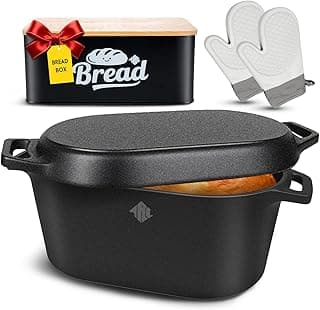
If you bake cornbread or no-knead bread, select skillets or Dutch ovens with self-basting lids. For stovetop-to-oven transitions, ensure stay-cool handles or oven mitt compatibility.
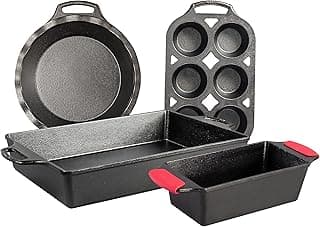
Start with a multi-use set if space is tight, expanding as needs grow. This approach minimizes regret and maximizes value.
Frequently Asked Questions About Cast Iron Cookware
What is the best cast iron cookware for everyday home cooking?
The best cast iron cookware excels in even heat distribution and long-term durability, making it ideal for searing steaks, baking cornbread, or slow-simmering stews. Look for pieces with smooth, pre-seasoned surfaces that require minimal maintenance after initial use. In most cases, a versatile skillet or Dutch oven set will cover your daily needs without overwhelming your kitchen space.
Is cast iron cookware safe for cooking acidic foods like tomatoes?
Cast iron is generally safe for most foods, but it can react with highly acidic ingredients like tomatoes or vinegar if the seasoning isn't well-established, potentially adding a metallic taste. If you're cooking acidic dishes regularly, build up multiple layers of seasoning first or use enameled versions for worry-free results. Always avoid sudden temperature changes to prevent cracking, ensuring safe use over time.
How much does quality cast iron cookware typically cost?
Expect to pay between $20 for a basic skillet and $100 or more for larger sets or multi-piece collections, depending on size and construction quality. Higher upfront costs often mean better heat retention and longevity, saving money long-term compared to frequent replacements of lighter pans. Shop during sales if budget is a concern, as durable pieces justify the investment for frequent cooks.
What's the best way to season new cast iron cookware?
To season effectively, wash your new pan with hot soapy water, dry thoroughly, then coat with a thin layer of neutral oil and bake upside down at 450°F for an hour. Repeat 2-3 times for a strong base that improves with use. This process enhances non-stick properties and rust resistance, addressing common newbie worries about maintenance.
How does cast iron compare to stainless steel or nonstick pans?
Cast iron outperforms stainless steel in heat retention for perfect browning and oven-to-stovetop versatility, though it weighs more and needs seasoning upkeep. Unlike nonstick, it lasts generations without coatings flaking, but requires more care to avoid scratching. If efficiency and heirloom quality matter, cast iron wins for serious home cooks despite the learning curve.
Conclusion
When selecting the best cast iron cookware, focus on even heat distribution, durability, and versatility for everyday cooking. Pieces that retain seasoning well and handle high-heat searing stand out as reliable choices.
You can feel confident in your decision by matching features to your cooking style and maintenance preferences. Take a moment to pick the right set that fits your needs—it’s a worthwhile investment for years of flavorful meals.