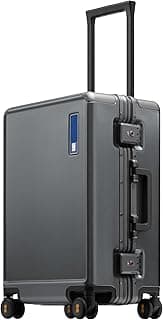
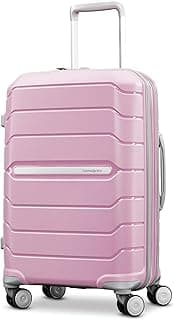
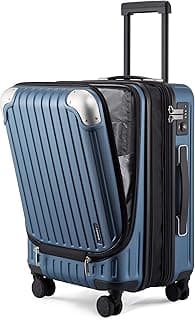
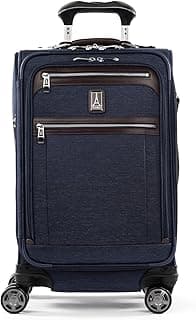
Buying Guide: Finding the Right Carry-On Suitcase for Your Travels
Choosing a carry-on suitcase often feels overwhelming with so many options promising to fit every airline's rules while handling rough travel. Many travelers worry about bags that seem perfect online but get flagged at the gate or break after a few trips. This guide breaks down the key factors to consider, helping you pick one that matches your travel style and avoids common pitfalls.
Size and Capacity
Airline size limits vary, but most enforce a maximum of 22 x 14 x 9 inches including wheels and handles. Why it matters: A bag that's even slightly oversized can lead to gate-checking fees or delays. Measure your intended airline's specs precisely.
- If you pack light for short trips, opt for softer bags that compress to 21 inches tall.
- For longer journeys, choose expandable models adding 1-2 inches in depth without exceeding limits.
- Avoid rigid frames if flexibility helps you squeeze into overhead bins.
Weight and Airline Restrictions
Carry-ons often face weight caps of 15-22 pounds, checked at some counters or gates. In real use, lighter bags let you pack more without hitting limits, reducing stress during boarding. Heavier empty bags eat into your allowance quickly.
- Target empty weights under 8 pounds for most users.
- If you fly budget carriers frequently, prioritize ultra-light options around 5-6 pounds.
- Test pack your bag at home to ensure total weight stays compliant.
Wheels and Maneuverability
Smooth-rolling wheels make navigating airports and streets effortless, especially when rushing for connections. Poor wheels snag on carpets or crack on uneven pavement, turning travel into a hassle.
- Choose double spinner wheels for 360-degree control in crowded terminals.
- If you often tackle cobblestones or snow, select larger 3-inch wheels for stability.
- Avoid single-wheel designs if mobility is key—they tip easily when full.
Materials and Durability
Carry-ons endure impacts, stacking, and weather exposure. Durable materials resist scuffs and tears, extending usability over years of travel. Cheaper fabrics fray quickly under baggage handler stress.
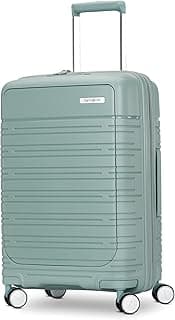
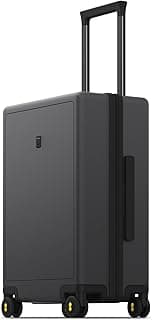
- Polycarbonate shells work well for hard-sided protection against crushing.
- Nylon or polyester with ripstop weaves suit soft-sided flexibility and lighter weight.
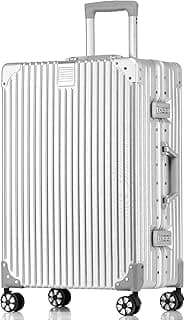
- Look for reinforced corners and sturdy zippers if checking bags occasionally.
Organization and Accessibility
Multiple compartments keep essentials handy without unpacking everything. In practice, this speeds security checks and hotel arrivals, minimizing frustration on the go.
- Prioritize bags with separate laundry pockets if packing for extended stays.
- Compression straps help maximize space for bulky items like sweaters.
- Include exterior pockets for quick-grab items like passports or chargers.
Handles and Comfort Features
Ergonomic handles prevent strain during long hauls. Telescoping handles that lock securely at multiple heights adapt to your stature, making pulling comfortable.
- Opt for padded, contoured grips if you have longer trips.
- Multiple height settings suit users from 5' to 6'4" tall.
- Avoid flimsy extensions—they wobble and break under load.
Security and TSA-Friendly Design
Lockable zippers and layouts that allow quick inspections reduce delays. While no bag is theft-proof, thoughtful features ease compliance with security rules.
- Choose TSA-approved locks for international flights.
- Split interiors simplify re-packing post-scan.
- If traveling to high-risk areas, add slash-proof lining for extra peace of mind.
Frequently Asked Questions About the Best Carry On Suitcase
What should I look for in the best carry on suitcase for frequent travelers?
The best carry on suitcases prioritize durable materials like polycarbonate shells that resist cracks from rough baggage handling, smooth 360-degree spinner wheels for easy maneuvering through airports, and expandable designs that add 15-25% more packing space without exceeding airline size limits. Look for models with TSA-approved locks and interior compression straps to keep everything organized during bumpy flights. In most cases, choosing one with a lifetime warranty ensures it holds up for years of heavy use.
How much does a good carry on suitcase typically cost?
A reliable carry on suitcase usually ranges from $100 to $300, depending on features like hardside protection or softside flexibility. If you're flying often, spending around $150-250 gets you better wheels, stronger zippers, and warranties that save money long-term by avoiding replacements. Budget options under $100 work for occasional trips but may wear out faster with frequent gate-checking.
Is a hardside or softside carry on suitcase safer for protecting contents?
Hardside carry on suitcases generally offer better safety against impacts and water damage, making them ideal if you're packing fragile items like electronics or souvenirs. Softside options provide more flexibility for overpacking and easier access to pockets but might not shield contents as well from crushing. For most travelers, hardside wins for security if security checks aren't a daily hassle.
How do I know if a carry on suitcase meets airline size requirements?
Most airlines enforce a standard 22 x 14 x 9 inches including wheels and handles, so always measure your suitcase fully expanded to avoid gate-check surprises. If you're using budget carriers, double-check their stricter limits like 21.5 inches total height. Practical tip: test it in your closet doorway first to mimic overhead bin fit.
What makes one carry on suitcase more efficient than another for packing?
The most efficient carry on suitcases feature divided compartments, mesh pockets, and tie-down straps that prevent clothes from shifting mid-flight, letting you fit a week's worth of outfits in carry-on only. Expandable zippers add crucial space for souvenirs, while removable laundry bags keep dirty items separate. Compared to basic models, these details save time at security and reduce wrinkle risks on long trips.
Conclusion
When choosing the best carry on suitcase, focus on durable materials, smooth-rolling wheels, and smart organization that fits airline limits. The right one balances size, weight, and features to make travel seamless.
You now have the insights to pick confidently—no guesswork needed. Consider your travel style and go for the model that matches your needs. Your ideal suitcase awaits, ready for your next adventure.