Buying Guide: Finding the Right Carry-On Luggage for Your Travels
Choosing carry-on luggage often feels overwhelming with so many options promising to fit every airline's rules while handling rough travel. The good news is that focusing on a few key factors helps narrow down choices to suit your trips, whether short getaways or frequent flights, without overpaying for features you won't use.
Size and Capacity
Airline sizers vary, but most allow bags up to 22 x 14 x 9 inches including wheels and handles. Why it matters: A bag too large risks gate-checking; too small wastes space. For most users, aim for the maximum compliant size if you pack for longer trips.
- If you fly budget airlines often, prioritize under 22 inches in height.
- Measure the packed bag, not just empty dimensions.
- Expandables add 15-20% capacity for souvenirs but check if they still fit sizers.
Wheels and Mobility
Smooth-rolling wheels make navigating airports less of a hassle, especially when rushing to connections. Four spinner wheels outperform two-wheel rollers for stability on uneven surfaces. In real use, test them on carpet and hard floors if possible.
- Choose double-wheeled spinners for heavier loads over 20 pounds.
- Avoid cheap plastic wheels that crack after a few trips.
- If you walk long distances in terminals, smoother bearings reduce arm strain.
Materials and Durability
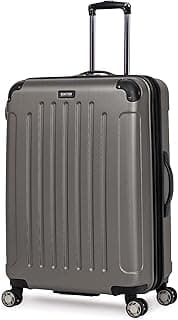
Carry-ons endure impacts from baggage handlers and crowded overhead bins, so resilient materials prevent cracks or tears. Softside nylon or polyester flexes under pressure, while hardside polycarbonate resists dents better.
- Opt for ballistic nylon if you prefer visibility of contents through mesh panels.
- Hardside suits those needing scratch-resistant protection for valuables.
- Reinforced corners and edges extend life in rough handling scenarios.
Weight and Airline Limits
Empty weight counts toward limits like 22 pounds on many carriers. Lighter bags let you pack more without fees. For most travelers, anything under 7 pounds empty strikes a balance.
- If you overpack, prioritize sub-6 pound options.
- Heavier hardsides often feel sturdier but check total packed weight.
- Weigh your typical load to stay under limits comfortably.
Organization and Compartments
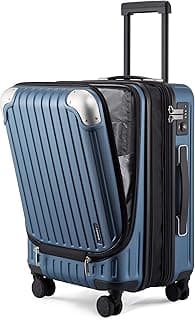
Multiple pockets keep essentials accessible, reducing rummaging at security. Why it matters: Quick access to laptops or toiletries speeds boarding. Look for compression straps to maximize space.
- Suits business travelers with dedicated laptop sleeves.
- Shoe pockets prevent dirt spread for family trips.
- Avoid over-compartmentalized bags if you prefer one large main area.
Handles and Comfort Features
Adjustable, ergonomic handles prevent back strain during pulls. Telescoping handles with multiple heights accommodate various statures. In practice, a contoured grip feels better on long hauls.
- Locking handles stay at your preferred height.
- Padded top/side handles help for lifting into bins.
- If you have shorter arms, test extension lengths around 40 inches.
Lock and Security
TSA-approved locks deter theft without customs hassles. Not all bags need them, but they're handy for international flights. Zippers with coil steel add pickpocket resistance.
- Choose combination locks over keys for convenience.
- Integrated locks beat add-ons that snag.
- For light packers, focus less here if security isn't a top worry.
By matching these factors to your travel style—frequent flyer or occasional vacationer—you'll find carry-on luggage that performs reliably without unnecessary extras.
Frequently Asked Questions About the Best Carry On Luggage
What size carry on luggage fits most airline restrictions?
Most airlines allow carry on bags up to 22 x 14 x 9 inches, including wheels and handles, so choose that standard size for the best compatibility. If you fly budget carriers often, opt for slightly smaller dimensions like 21 x 13 x 8 inches to avoid gate-checking fees. Always double-check your airline's policy since international flights may have stricter limits.
How much should I spend on good carry on luggage?
Expect to pay between $100 and $250 for durable carry on luggage that lasts years without falling apart. Cheaper options under $80 often sacrifice quality zippers or wheels, leading to early breakdowns, while premium picks justify higher costs with lifetime warranties. Consider your travel frequency—if you're a frequent flyer, investing more upfront saves replacement hassles.
What makes carry on luggage safe and secure for travel?
Look for bags with sturdy TSA-approved locks, reinforced corners, and YKK zippers to deter theft and rough handling. High-denier ballistic nylon or polycarbonate shells resist tears and impacts better than soft fabric alone. In most cases, adding a luggage tracker inside provides peace of mind if your bag gets separated during connections.
How do I know if carry on luggage is easy to maneuver?
Four spinner wheels offer the smoothest glide on airport floors compared to two-wheel rollers, especially when fully packed. Test for smooth rotation and minimal wobble; efficient designs handle curbs and crowds without tipping. If you're navigating busy terminals, a telescoping handle that locks firmly at multiple heights makes a big difference in daily use.
What's the difference between hardside and softside carry on luggage?
Hardside options excel in protecting fragile items with their rigid shells, but they can show scratches over time. Softside bags expand for extra packing space and are often lighter, making them ideal if you prioritize flexibility. Choose based on your needs—hardside for security, softside for versatility in varied trips.
Conclusion
When selecting the best carry on luggage, focus on durability, lightweight design, ample organization, and smooth mobility. These essentials ensure your travels are hassle-free, protecting your belongings through countless trips.
With the right priorities in mind, you're equipped to make a smart choice that fits your needs and lasts. Take a moment to match these key features to your lifestyle, and pick the model that feels just right for your next adventure.