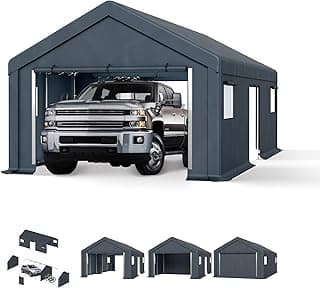
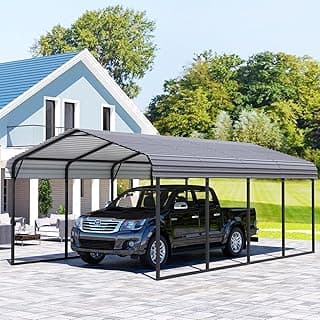
Buying Guide: Best Carports for Trucks
Truck owners often struggle to find truck parking shelters that fit their oversized vehicles without compromising on protection from weather or ease of setup. This guide breaks down the key factors to consider when selecting carports for trucks, helping you match options to your specific needs like driveway space or local weather conditions.
Size and Capacity
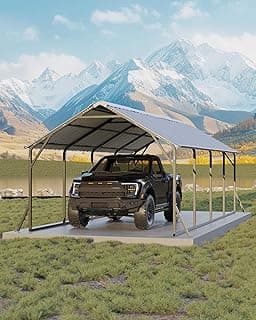
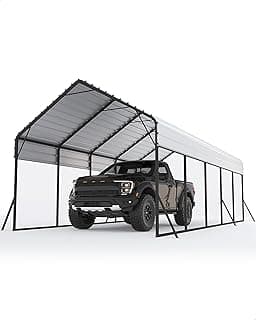
Trucks vary widely in length, width, and height, so a carport that seems spacious on paper might feel cramped in practice. Measure your truck's dimensions including mirrors and bed accessories, then add at least 1-2 feet clearance on each side and above for easy access.
- If you have a full-size pickup, aim for at least 12x20 feet with 8-10 feet height.
- For dually trucks or those with toppers, prioritize models with adjustable framing to accommodate up to 14 feet wide.
- Avoid undersized options that force tight maneuvers, especially in wind or snow.
Frame Material and Durability
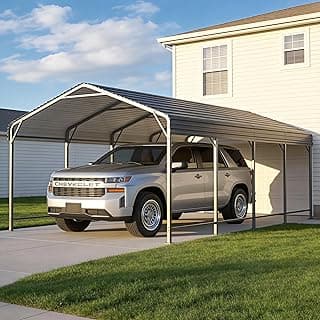
The frame bears the brunt of wind, snow, and daily use, so its material directly impacts how long your truck shelter lasts. Steel offers superior strength for harsh climates, while aluminum resists rust in humid areas.
- Choose galvanized or powder-coated steel if you face heavy snow loads over 20-40 psf.
- Opt for aluminum if corrosion from road salt or coastal air is a concern.
- Check tube thickness—at least 1.5-2 inches diameter—to handle gusts up to 60-80 mph without bending.
Wind and Snow Load Ratings
Local weather dictates load capacity more than anything else. A carport rated too low risks collapse during storms, leaving your truck exposed.
If your area gets high winds, select ratings of 90 mph+; for snowy regions, ensure 30-50 psf snow load support. Test ratings through anchor requirements—more secure anchors mean better real-world stability.
Cover Material and UV Protection
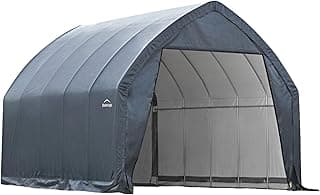
The roof cover shields your truck's paint and interior from sun, rain, and debris. Thicker, multi-layer polyethylene typically outlasts basic tarps by years.
- Look for 10-12 mil thickness with UV inhibitors to prevent fading after 3-5 years.
- Tight-fit designs with reinforced edges reduce flapping and tears in wind.
- If hail is common, consider reinforced panels over standard fabric.
Installation and Anchoring
Many fear complex setups, but most truck carports assemble in a day with basic tools. Permanent concrete anchors provide the most security, though ground stakes work for temporary needs.
If renting or on soft soil, go for helical anchors that install without digging. Always follow weight distribution guidelines to avoid tipping—proper setup often makes DIY feasible for handy users.
Portability and Storage
Not every truck owner needs a permanent structure. Portable carports with wheeled bases suit frequent movers or seasonal use.
- Choose modular frames if you relocate often.
- Ensure disassembly takes under 2 hours for practical storage in a garage.
- Weigh trade-offs: portables may sacrifice some wind resistance for flexibility.
Cost vs. Long-Term Value
Upfront prices range from $500-$3,000, but factor in replacement covers every 3-7 years and potential repairs. Higher initial investments in heavy-duty frames often pay off through fewer headaches.
If budget-limited, prioritize load ratings over extras like side panels—core protection matters most for truck longevity.
Frequently Asked Questions About Carports for Trucks
What are the best carports for trucks in terms of cost?
Carports for trucks typically range from $1,500 to $5,000 depending on size and materials, with metal frame options offering the best value for budget-conscious buyers since they balance affordability and durability. If you're parking a full-size pickup, opt for models around 12x20 feet to avoid skimping on coverage, which could lead to higher long-term repair costs from weather damage. In most cases, investing a bit more upfront in a sturdy frame saves money over replacing cheap fabric covers every couple of years.
How do I ensure a carport for my truck is safe in high winds?
For truck carports, prioritize designs with reinforced anchoring systems like ground augers or concrete footings, which hold up better in winds over 50 mph compared to basic stakes. Wider roof pitches and galvanized steel frames add stability by shedding snow and rain efficiently, reducing collapse risks during storms. Always check local wind ratings and secure the structure properly during installation to protect your vehicle from flying debris or structural failure.
Can I install a truck carport myself, or do I need professionals?
Many truck carports designed for DIY come with pre-drilled parts and take 4-8 hours for two people to assemble if you have basic tools like a drill and level. If your site has uneven ground or you're in a high-wind area, hiring pros ensures proper anchoring and avoids warranty issues, usually costing $300-$800 extra. Start by measuring your truck's dimensions plus extra clearance to make setup straightforward.
What size carport works most efficiently for different trucks?
A 12x20 foot carport fits most standard and heavy-duty trucks efficiently, providing side-to-side clearance for doors and enough length for extended beds without wasting space. For larger dually trucks, go up to 14x24 feet to allow easy maneuvering and full protection from sun or hail. Efficiency improves with open sides for quick access, but add walls if you need better shielding from driving rain.
How do metal carports compare to fabric ones for truck protection?
Metal carports outperform fabric shelters for trucks in longevity and weather resistance, lasting 15-20 years versus 3-5 years for fabric, especially under UV exposure or heavy snow loads. They're easier to clean and less prone to tears from branches, though fabric options are lighter and cheaper for temporary use. Choose metal if your truck sits outside year-round to minimize dent risks from hail or falling limbs.
Conclusion
When selecting the best carports for trucks, focus on durable materials, ample size for your truck's dimensions, and features like wind resistance and easy installation. These elements ensure reliable protection from the elements year-round.
With the right priorities in mind, you're equipped to make a smart choice that fits your needs and budget. Take a moment to match your truck's specifics with a suitable model, and enjoy peace of mind knowing your vehicle is well-sheltered.