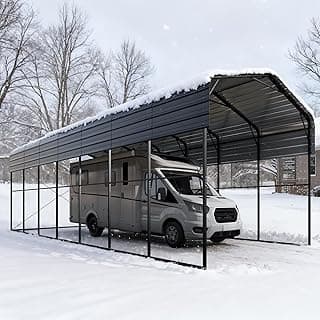
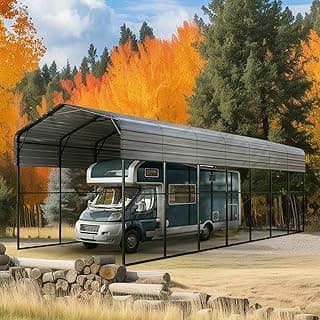
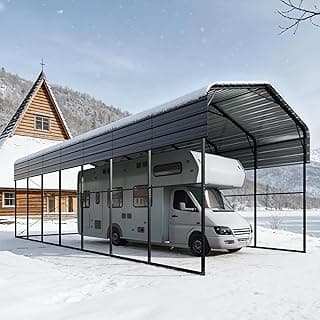
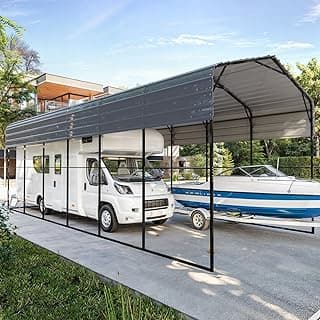
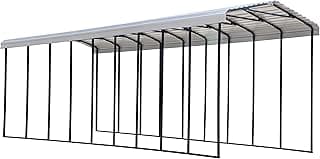
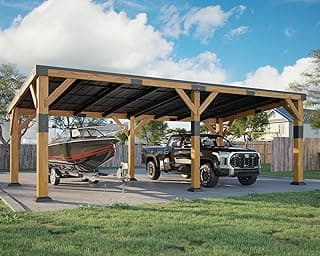
Buying Guide: Finding the Right Carport for Your RV
Many RV owners struggle with where to park their rigs during off-seasons or bad weather, often worrying about exposure to sun, rain, or snow without breaking the bank on a full garage. A well-chosen carport can provide that practical shelter, but picking among options for the best carports for RV storage means focusing on real-world fit rather than one-size-fits-all solutions.
Size and Capacity
Size directly impacts whether your RV fits comfortably, including slide-outs, awnings, or tow vehicles. Measure your RV's length, width, height, and add 2-3 feet on each side for clearance to avoid scraping during wind or entry.
- If your RV is under 30 feet long, a 12x40-foot carport often works well for most users.
- For larger Class A motorhomes over 35 feet, opt for 14x50-foot or bigger to handle height up to 13-14 feet.
- Avoid undersized models; they lead to frustrating overhangs and poor protection.
Frame Material and Build Quality
Frame strength determines how well the carport withstands wind, snow load, and daily use. Steel frames offer reliable durability in most climates, while aluminum suits coastal areas with less rust risk.
- Choose galvanized steel with 14-gauge thickness or heavier for wind speeds up to 90 mph in typical conditions.
- If you live in high-snow regions, look for truss designs rated for 20-30 psf snow load.
- Skip thin-walled tubing; it bends under moderate storms, creating costly repairs.
Roof Covering and Weather Resistance
The roof material shields your RV from UV rays, hail, and debris, preventing faded paint or roof damage over time. Polyethylene or PVC covers provide basic protection, but multi-layer fabrics last longer.
- For most users, 12-15 mil thick, UV-treated covers with 10-year warranties handle rain and sun effectively.
- If hail is common, select reinforced panels or add bracing for better impact resistance.
- Avoid cheap plastic sheeting; it tears easily, leaving your RV exposed after the first big storm.
Wind Resistance and Anchoring
High winds can topple poorly secured carports, so anchoring and design matter for safety. Ground anchors and certified ratings reduce this risk significantly.
- If your area sees gusts over 70 mph, choose models engineered and tested to those standards with deep ground stakes or concrete footings.
- Then, secure with 8-12 heavy-duty anchors depending on soil type—auger-style for soft ground, expansion for concrete.
- Permanent installs offer more stability than portable ones in windy spots.
Installation and Setup
Installation affects both cost and longevity; DIY options save money but require tools and time, while pro setup ensures level, secure assembly.
- For handy users with level ground, bolt-together kits assemble in 1-2 days with basic tools—no welding needed.
- If your site is uneven or sloped, hire pros to avoid structural stress; expect $500-$1,500 extra.
- Check local permits first; some areas require them for structures over 200 sq ft.
Cost and Long-Term Value
Upfront price ranges from $1,500-$8,000, but factor in durability to avoid frequent replacements. Higher initial costs often mean better wind and weather resistance.
- For occasional use, mid-range $2,500-$4,000 models balance protection and budget for most RV owners.
- If you store year-round in harsh weather, invest in heavy-duty frames for 15+ years of service.
- Calculate total ownership: cheap units may cost more over time due to repairs.
Additional Features for Convenience
Extras like enclosed sides, doors, or lighting enhance usability without overcomplicating the choice.
- Add side panels if privacy or extra wind protection matters in your neighborhood.
- Then, consider LED lights or solar kits for nighttime access if you work on your RV evenings.
- Skip unnecessary add-ons unless they solve a specific need; they raise costs without proportional benefits.
Frequently Asked Questions About the Best Carports for RV Storage
What are the average costs for quality RV carports?
Expect to pay between $1,500 and $5,000 for a sturdy RV carport, depending on size, frame material, and whether you choose a basic canopy or a more robust metal structure. If you're covering a 40-foot RV, larger models push costs higher due to added materials, but portable options start under $2,000 for shorter setups. Factor in delivery fees, which can add 10-20% in rural areas, making upfront quotes essential for budgeting.
Are RV carports safe in high winds and heavy snow?
Most well-designed RV shelters withstand winds up to 70-80 mph if anchored properly with ground stakes or concrete footings, but always check wind ratings for your region. In snowy climates, opt for peaked roofs that shed accumulation to avoid collapse, as flat designs can handle only 20-30 lbs per square foot. Regular inspections and guy lines add extra security, especially if your RV sits unused during storms.
How difficult is installing an RV carport by myself?
DIY installation takes 4-8 hours for one or two people on level ground, using basic tools like a drill and wrench—no heavy machinery needed for freestanding models. If your site is uneven or you want permanence, professional setup costs $300-600 but ensures stability. Start with a clear site prep to avoid headaches, and most kits include step-by-step guides that make it straightforward even for beginners.
How do metal RV carports compare to fabric ones for long-term use?
Metal frames outlast fabric covers by 10-20 years with minimal maintenance, resisting UV fading and tears better in harsh sun, while fabric options are cheaper upfront and easier to relocate. If efficiency matters for year-round protection, metal provides superior rust resistance when galvanized, though fabric excels for temporary seasonal storage. Choose based on your climate—metal for durability, fabric if portability is key.
What size RV carport should I get for optimal protection?
Measure your RV's length plus 5-10 feet on each end for easy access and airflow, typically 12-14 feet wide to cover the full height without scraping. For efficiency, a 12x40-foot model suits most Class A motorhomes, preventing weather damage while allowing door clearance. Oversizing slightly avoids tight fits during wind sway, ensuring long-term usability without constant adjustments.
Conclusion
Choosing the best carports for RV comes down to durable materials, ample coverage, and easy installation tailored to your space and weather needs. We've covered the key factors that ensure long-term protection for your investment without unnecessary hassle.
With these insights, you're equipped to make a confident decision. Consider your specific requirements and select the model that fits best—your RV deserves reliable shelter that stands the test of time. Take the next step today.