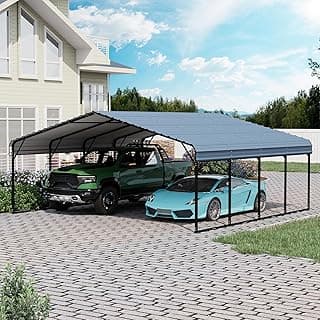
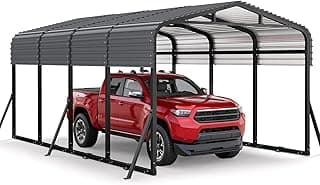
Buying Guide: Finding the Right Carport for Your Cars
Many car owners struggle with where to park during bad weather or to protect against sun damage, often wondering if a carport is sturdy enough or worth the investment. This guide breaks down the key factors to consider when looking for carports for cars, helping you match options to your specific needs without common pitfalls like undersizing or skimping on materials.
Size and Capacity
Carports come in various dimensions, and getting the size right ensures your vehicles fit comfortably with room for doors to open. Measure your longest car plus 2–3 feet on each end for access, and add width for side clearance.
- If you have one car, a 10x20 foot model often works well for most sedans or SUVs.
- For two vehicles, aim for at least 12x20 feet or wider to avoid a cramped fit.
- Avoid single-car units for trucks or vans, as they may leave little maneuvering space.
Tip: If parking perpendicular, prioritize length over width for easier entry.
Material Durability and Weather Resistance
The frame and cover materials determine how well your carport holds up against wind, rain, snow, and UV rays in everyday use. Steel or aluminum frames with reinforced roofing provide reliable protection without frequent repairs.
- Choose galvanized steel for rust resistance in humid areas.
- Opt for polyethylene or PVC covers rated for 10–15 year lifespans in sunny climates.
- Steer clear of thin plastic sheeting, which tears easily in winds over 40 mph.
If you live in a high-wind zone, look for models with wind ratings of 80–100 mph for added peace of mind.
Roof Style and Protection Level
Roof design affects shade, water runoff, and snow shedding, directly impacting your car's protection from elements. Sloped or peaked roofs generally outperform flat ones in practical scenarios.
- A single-slope roof directs rain away effectively if installed against a wall.
- Double-peak styles suit freestanding setups and handle snow loads up to 20–30 psf.
- Flat roofs can pool water, so reserve them for dry regions with minimal precipitation.
For most users in rainy areas, a peaked roof reduces maintenance and keeps your vehicles drier.
Installation and Setup Requirements
Many carports arrive as DIY kits, but ease of assembly varies. Most take 2–4 people and a weekend, with no special tools beyond basics like a drill and level.
- Anchor into concrete pads or ground stakes for stability—skip this if renting to avoid damage.
- Professional installation costs $200–500 extra but ensures code compliance in regulated areas.
- Avoid permit-free assumptions; check local rules for structures over 120 square feet.
If you're handy, bolt-together frames assemble faster than welded ones.
Wind and Snow Load Ratings
These ratings indicate how much force the structure withstands, crucial for safety in stormy or snowy regions. Base your choice on local weather data for realistic performance.
- Select 90 mph wind-rated models for coastal or windy spots.
- Go for 25–40 psf snow load capacity if winters bring heavy accumulation.
- Lower-rated options suffice in mild climates but may flex or fail under extremes.
Match ratings to your area's averages to avoid overpaying or underprotecting.
Cost and Long-Term Value
Prices range from $500–$5,000 depending on size and features, balancing upfront cost with durability savings. Factor in potential cover replacements every 5–10 years.
- Budget models under $1,000 fit occasional use but may need upgrades.
- Mid-range $1,500–$3,000 options offer better materials for frequent exposure.
- Calculate total ownership: a sturdier frame often pays off by lasting 15+ years.
If you park valuable cars daily, invest in higher quality to minimize hail or bird droppings damage over time.
Portability and Storage Needs
Some setups are semi-permanent, while others disassemble for seasonal use. Consider if you move often or need flexibility.
- Freestanding models relocate easier than wall-mounted ones.
- Look for no-dig anchors if preserving your yard matters.
- Temporary frames store compactly in garages during off-seasons.
For renters or short-term needs, prioritize lightweight, tool-free designs.
Frequently Asked Questions About the Best Carports for Cars
What are the average costs for quality carports for cars?
Basic metal carports for cars typically start around $1,000 for a single-vehicle canopy, while more durable steel-frame models with roofs can range from $2,000 to $5,000 depending on size and features. If you're covering two cars, expect to add 50-100% more, but anchoring kits and wind-resistant designs often justify the investment by preventing hail or storm damage. Shop around for local installers to compare quotes, as DIY kits save hundreds but require tools and time.
Are carports safe for protecting vehicles in harsh weather?
High-quality carports with reinforced frames and UV-resistant covers can shield cars from rain, snow, UV rays, and falling branches effectively, often lasting 10-15 years with proper maintenance. In high-wind areas, look for models rated for 90+ mph gusts with ground anchors to avoid collapse risks. They're generally safer than open parking for daily use, but inspect regularly for wear to ensure ongoing protection.
How difficult is installing a carport for cars myself?
Most DIY carport kits for cars take 4-8 hours for two people using basic tools like a drill and level, especially if the ground is level concrete or gravel. If your site has uneven terrain or high winds, professional installation (around $300-800 extra) ensures stability and warranty coverage. Always follow the manual's anchoring instructions to prevent shifting over time.
What makes one carport for cars more efficient than others?
Efficient carports maximize space with adjustable heights up to 8 feet for easy vehicle access and include side panels for full enclosure against debris or pests. Models with sloped roofs shed snow and water better, reducing pooling that could damage cars below. Choose galvanized steel over basic aluminum for rust resistance, especially in humid climates, to get years of low-maintenance use.
How do metal carports compare to wooden or fabric ones for cars?
Metal carports outperform fabric canopies in durability, handling heavy snow loads up to 20-40 lbs per square foot without sagging, while wooden ones require ongoing sealing against rot. They're also lighter and cheaper to ship than wood, with easier expansion for multiple cars. If portability matters, fabric works short-term, but metal offers the best long-term value for stationary protection.
Conclusion
When selecting the best carports for cars, prioritize durable materials, size that fits your vehicles comfortably, and easy installation to ensure long-term protection from the elements. Key factors like weather resistance and structural stability make all the difference in safeguarding your investment.
You now have the insights to make a confident choice tailored to your needs and space. Take a moment to match these essentials with your situation, and pick the model that fits best—your cars will thank you for the reliable shelter.