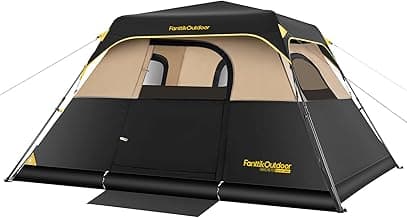
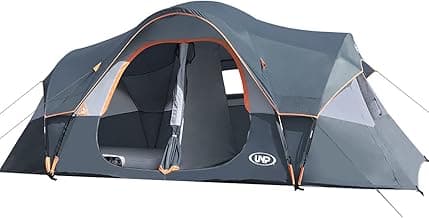
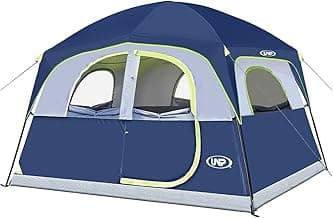
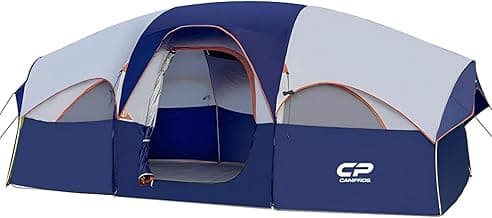
Buying Guide: Best Camping Tent with Case
When shopping for a camping tent that comes with a durable carrying case, many buyers worry about whether it will hold up to repeated packing and unpacking or fit easily in their vehicle. This guide breaks down the key factors to consider, helping you pick one that matches your trips without common pitfalls like oversized bulk or flimsy protection.
Capacity and Size
Capacity determines how many people can sleep comfortably, but real-world space also depends on your gear and movement inside. A tent rated for 4 people often suits couples with dogs, while 6-person models work for families if you prioritize headroom over footprint.
- If car camping with lots of luggage, aim for a floor area of at least 100 square feet to avoid feeling cramped.
- For backpacking, choose lighter options under 10 pounds total weight, even if capacity is smaller.
- Avoid tents much larger than your group size, as they become harder to heat and ventilate effectively.
Carrying Case Quality and Portability
A good carrying case protects the tent during transport and storage, preventing tears from rough handling. Look for cases with padded straps, reinforced zippers, and compression features that shrink the packed size.
- If you frequently load tents into small cars or SUVs, select models that pack down to under 24 inches long and 8 inches in diameter.
- Thicker, water-resistant cases guard against moisture and dirt better than thin fabric ones.
- Test the case's durability by checking strap strength—weak ones snap under full loads.
Build Quality and Durability
Tents face wind, rain, and abrasion over time, so materials matter for longevity. Ripstop polyester or nylon with a 2000mm hydrostatic head rating handles most downpours without leaking.
- Opt for aluminum poles over fiberglass if camping in gusty areas, as they flex without breaking.
- Seam-sealed floors and taped seams reduce water entry—essential for multi-day trips.
- For rough terrain, choose higher-denier fabrics (68D or more) to resist punctures from stakes or rocks.
Setup Ease
Quick setup saves time and frustration after long drives. Pole-and-clip systems often assemble in under 5 minutes, ideal for evening arrivals.
- If camping with kids or novices, pick hubbed designs that pop open intuitively.
- Avoid complex sleeve-clip setups unless you're experienced, as they tangle in low light.
- Color-coded poles and footprints simplify first-time use, reducing setup errors.
Weather Resistance
Rainfly coverage and ventilation balance protection from elements with airflow to prevent condensation. Full-coverage rainflies excel in heavy rain, while mesh panels cut stuffiness.
- In stormy regions, choose tents rated for 30-50 mph winds with guy-out points.
- For humid climates, prioritize large mesh areas (50% of walls) paired with adjustable vents.
- Always stake out fully and use a separate groundsheet for extra floor protection.
Ventilation and Comfort Features
Good airflow keeps interiors fresh, especially with multiple occupants. Tents with multiple doors and ceiling vents minimize morning dew buildup.
- If summer camping, seek near-wall mesh for cross-breezes without bug exposure.
- Interior pockets and gear lofts organize small items, improving daily livability.
- For cooler nights, divided rooms in larger tents provide privacy and warmth zoning.
By focusing on these factors tied to your camping style—solo hikes or family outings—you'll find a tent with a reliable case that packs efficiently and performs reliably, easing worries about transport and weather surprises.
Frequently Asked Questions About the Best Camping Tents with Cases
What should I look for in the best camping tent with case for family use?
The best camping tents with cases for families typically offer 6-8 person capacity, waterproof flooring, and a durable carry case that withstands rough handling during transport. Prioritize models with multiple doors for easy access and good ventilation to prevent condensation buildup on humid nights. In most cases, these tents pack down compactly into the included case, making them ideal for car camping without taking up excessive trunk space.
How much does a reliable camping tent with case usually cost?
A solid camping tent with a protective case generally ranges from $100 to $300, depending on size and features like seam-sealed rainfly or steel poles. If you're on a budget, expect to pay around $150 for a 4-person model that holds up through several seasons. Higher-end options near $250 often include extras like gear lofts, justifying the cost for frequent campers who value longevity over initial savings.
Is a camping tent with case safe for use in bad weather?
Most quality camping tents with cases feature guy lines and stakes that enhance stability in wind and rain, but always secure them properly to avoid collapse. Look for tents rated for 2000mm+ hydrostatic head on the rainfly to handle moderate storms safely. If conditions turn severe, prioritize evacuating to a vehicle, as no tent is fully storm-proof regardless of the sturdy case it comes in.
How easy is it to set up the best camping tent with case?
Top camping tents with cases use color-coded poles and clips for setup in under 10 minutes, even for beginners, with intuitive instructions printed on the case. Practice once at home to familiarize yourself with the process, especially if camping with kids who might help. In most cases, one or two people can manage it quickly, leaving more time for enjoying the outdoors.
What's the difference between basic and premium camping tents with cases?
Basic models focus on affordability with essential waterproofing and a simple duffel-style case, while premium versions add height for standing room, better airflow via large vents, and reinforced cases for repeated hauling. If you camp often in varied weather, the premium tent's efficiency in setup and comfort outweighs the extra cost. For occasional trips, a basic one performs reliably without unnecessary features.
Conclusion
Choosing the best camping tent with case comes down to balancing durability, weather resistance, ease of setup, and reliable storage. Prioritize models with sturdy frames, waterproof materials, and spacious interiors that suit your group's size and adventure style.
With these key factors in mind, you're equipped to make a confident decision that enhances your outdoor experiences. Take a moment to match the right tent to your needs, pack it securely in its case, and get ready for your next trip.