Buying Guide: Best Camping Tent Portable
When shopping for a portable camping tent, many buyers worry about finding one that's truly easy to pack and set up without sacrificing protection from the elements. The good news is that with a few key considerations, you can pick a lightweight shelter that fits your trips, whether solo or with family.
Capacity and Size
Capacity determines how many people can comfortably sleep inside, but real-world space also depends on your gear and movement needs. A tent rated for 2–4 people often works well for couples with packs, while larger ones suit families.
- If you camp in pairs or solo, opt for a compact 2-person model to keep weight down.
- For groups, choose at least 4-person capacity but check floor dimensions—aim for at least 7x7 feet to avoid feeling cramped.
- Avoid oversized tents if portability is key, as they add bulk to your backpack.
Weight and Packed Size
Portability shines in lightweight designs under 5 pounds for backpacking, making hikes feasible without exhaustion. Packed size affects how easily it fits in your car or bag.
- If you backpack long distances, prioritize tents packing down to under 20 inches long and weighing 2–4 pounds.
- For car camping, models up to 10 pounds and 24 inches packed are generally fine.
- Tip: Test the packed size against your gear setup to ensure it travels smoothly.
Setup Ease
Quick setup reduces frustration after a long drive or hike, especially in low light or wind. Look for freestanding designs with color-coded poles.
- If you're new to camping, choose clip-on or hubbed pole systems that assemble in under 5 minutes.
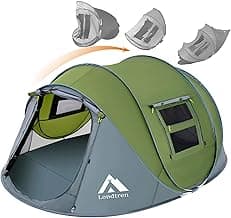
- For frequent use, pop-up styles save time but may need practice to repack neatly.
- Avoid complex sleeve-clip tents if speed matters more than ultimate durability.
Weather Resistance
A good tent keeps you dry and shaded, rated by hydrostatic head (HH) for waterproofing—1,500mm+ for floors and 2,000mm+ for rainflys handles most rain.
- In mild weather, 1,200mm HH suffices; for storms, go higher.
- Sealed seams and a full-coverage rainfly are essential—check for bathtub floors to block ground moisture.
- Ventilation matters too: multiple mesh panels prevent condensation buildup inside.
Durability and Materials
High-denier fabrics like 68D–150D polyester resist tears from branches or rough use, while aluminum poles hold up in wind.
- If you camp in rugged areas, select ripstop nylon with reinforced stress points.
- For budget trips, standard polyester works if you handle setup carefully.
- Inspect guy lines and stakes—durable ones improve stability without extra weight.
Ventilation and Comfort Features
Proper airflow keeps the interior cool and dry, with mesh walls for bug protection and doors for easy access.
- If you camp in warm climates, prioritize full mesh bodies with rainfly roll-back options.
- Interior pockets and gear lofts organize small items, enhancing daily usability.
- Avoid solid-wall tents unless extreme cold is expected, as they trap humidity.
By matching these factors to your camping style—backpacking versus car trips—you'll land on a portable camping tent that sets up reliably and packs away effortlessly, minimizing common setup hassles and weather worries.
Frequently Asked Questions About the Best Camping Tent Portable Options
What is the best portable camping tent for the money?
If you're balancing cost and quality, look for a portable camping tent under $100 that offers 2-4 person capacity with decent weather resistance. These models typically weigh 5-8 pounds for easy backpacking, providing good value without skimping on essentials like sealed seams. In most cases, they hold up well for weekend trips if you avoid extreme conditions.
How safe are portable camping tents in bad weather?
Portable camping tents prioritize safety with features like reinforced poles and waterproof coatings rated at least 2000mm, which handle moderate rain and wind effectively. Always stake it down properly and choose a site away from dead trees or flood-prone areas to minimize risks. Users report they stay dry inside during typical storms, but they're not designed for hurricane-force conditions.
Is it easy to set up a portable camping tent alone?
Most top portable camping tents use a pop-up or clip-on pole system that assembles in under 5 minutes solo, even in low light with color-coded parts. Practice once at home to get the hang of it, and you'll find it straightforward for quick setups at dusk. If you're new to camping, opt for ones with intuitive hubs to avoid frustration on the trail.
How does a portable camping tent compare to larger family tents?
Portable camping tents excel in weight and pack size for solo or duo hikers, folding down to backpack-friendly dimensions unlike bulkier family models that need a car. They offer similar ventilation through mesh panels but sacrifice interior space for mobility. Choose portable if efficiency on the move matters more than room for groups.
What makes a portable camping tent efficient for multi-day trips?
Efficiency comes from lightweight fabrics under 6 pounds total, compact stuff sacks fitting daypacks, and multiple doors for easy access without disturbing others. They maintain temperature well with breathable walls, reducing condensation on longer outings. Real users love how they strike a balance between protection and not weighing you down over miles of hiking.
Conclusion
Choosing the best camping tent portable comes down to balancing lightweight design, quick setup, and reliable weather protection for your adventures. Prioritize tents with durable materials, ample space, and easy packing features to match your needs, whether solo trips or family outings.
You now have the insights to make a confident decision without guesswork. Consider your top priorities and select the model that fits seamlessly into your camping style—your next outdoor escape deserves it.