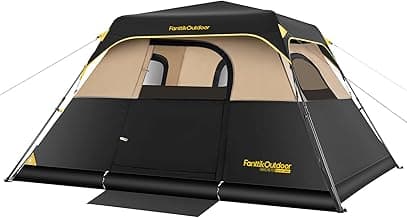
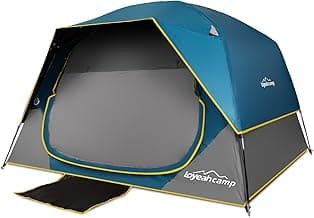
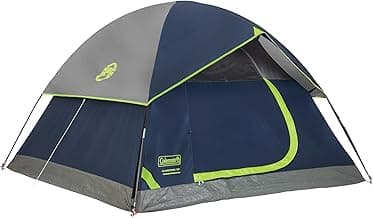
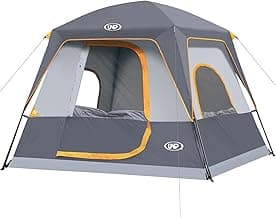
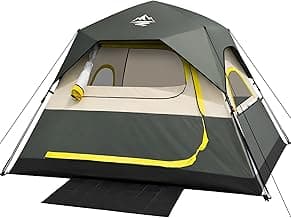
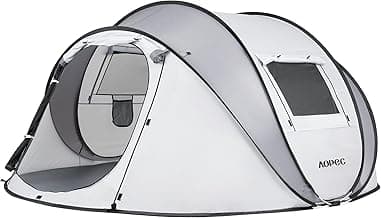
Buying Guide: Best Camping Tent for Beginners
Choosing a camping tent as a beginner often feels overwhelming with options ranging from lightweight solo shelters to family-sized domes. Many worry about picking something too complicated to set up, flimsy in wind, or oversized for their pack. This guide breaks down the key factors to focus on, helping you match a tent to your trips without common pitfalls.
Capacity and Size
Capacity refers to how many people the tent sleeps comfortably, but real-world space matters more than the listed number. A 2-person tent might feel cramped with gear, while a 4-person gives room to move.
- If you're camping solo or with one partner, opt for a 2-3 person model for extra space.
- For families or groups, choose based on actual floor area—aim for at least 15-20 square feet per person.
- Avoid oversized tents if backpacking; they add weight and bulk.
Ease of Setup
Beginners benefit most from tents that pitch quickly to avoid frustration after a long hike. Look for color-coded poles and clips that snap together in under 10 minutes.
- If car camping, freestanding designs work well since you have more gear space.
- For backpacking, prioritize ultralight hubbed poles that reduce assembly steps.
- Test setup in your backyard first; avoid tents needing specialized skills or tools.
Weather Resistance
A good tent keeps you dry and protected without overheating. Focus on the waterproof rating of the floor and rainfly—1,500-2,000mm handles most rain, while higher suits heavy storms.
- Seam-sealed construction prevents leaks; tape any exposed seams yourself if needed.
- Ventilation features like mesh panels reduce condensation, especially in humid areas.
- In mild weather, a basic rainfly suffices; for wind, choose a low-profile shape.
Weight and Portability
Weight determines if you can carry it comfortably. Beginner backpackers should target under 5 pounds total packed weight for 2-person tents.
- If driving to sites, up to 15-20 pounds is fine for larger models.
- Check packed size—fits in a 20-25 inch bag for easy storage.
- Trade lighter fabrics for durability if your trips involve rough terrain.
Durability and Materials
Tents face abrasion from rocks, branches, and repeated use. Ripstop polyester or nylon with 68D-150D denier offers a balance of strength and lightness.
- A 210D floor polyester resists punctures better for ground contact.
- Aluminum poles withstand wind better than fiberglass.
- Inspect guy lines and stakes included; upgrade to better ones for stability.
Ventilation and Comfort Features
Comfort keeps trips enjoyable. Multiple doors and vestibules provide gear storage and easy access without disturbing others.
- If camping in buggy areas, full mesh walls with a removable rainfly are ideal.
- Interior pockets organize small items; a divided layout suits couples.
- For cooler nights, consider a tent with a smaller footprint to trap warmth.
Price and Value
Expect to spend $100-300 for a reliable beginner tent. Cheaper options under $100 often compromise on waterproofing or poles.
- If budget-tight, prioritize waterproofing and setup ease over extras.
- Higher prices generally mean better materials for longer use.
- Weigh total cost including footprint and repair kit for complete value.
Frequently Asked Questions
What is the best camping tent for beginners on a budget?
If you're just starting out, look for a tent under $100 that offers 2-4 person capacity with basic weather resistance. These models are lightweight enough to carry in a backpack and include straightforward setup instructions, making them ideal for weekend trips without breaking the bank. Prioritize ones with a full rainfly and sealed seams to handle light rain, ensuring you stay dry without spending extra on premium features.
How easy is it to set up a beginner-friendly camping tent?
Most entry-level tents use color-coded poles and clips that snap together in under 10 minutes, even if it's your first time. Practice in your backyard first to get comfortable, as windy conditions can add a few extra steps. In most cases, one person can manage solo, but having a helper speeds things up for larger models.
Are beginner camping tents safe for families with kids?
Yes, opt for tents with flame-retardant materials and sturdy guylines to prevent tipping in wind, which is crucial for family safety. Models with mesh panels provide good ventilation to reduce condensation buildup, minimizing slip hazards inside. Always stake it down properly and avoid cooking near the tent to prevent fire risks.
What size camping tent should beginners choose?
For solo or couple trips, a 2-person tent strikes the best balance of space and portability, while families might need a 4-person for gear storage. Consider adding 1-2 extra person ratings to account for real-world space needs like clothes and coolers. Compact designs pack down small, making them efficient for car camping or short hikes.
How do beginner tents compare to more advanced options?
Entry-level tents lack advanced features like double walls for extreme weather but excel in simplicity and affordability for casual use. They hold up well in mild conditions, with comparable ventilation to pricier models if you choose ones with ample mesh. Upgrade only if you plan frequent bad-weather trips, as basics cover 80% of beginner scenarios effectively.
Conclusion
Choosing the best camping tent for beginners comes down to essentials like ease of setup, weather resistance, and spacious interiors that make your first trips enjoyable. Focus on models with intuitive designs and reliable features to match your needs, whether family outings or solo adventures.
You now have the insights to pick confidently without overwhelm. Take a moment to consider your priorities and select the tent that fits your style—your next great escape awaits.