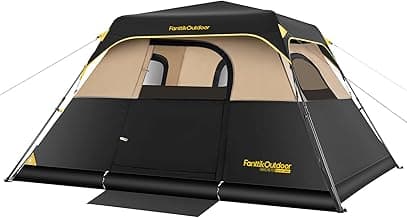
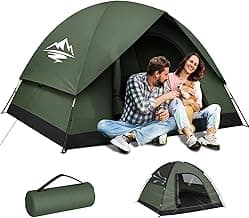
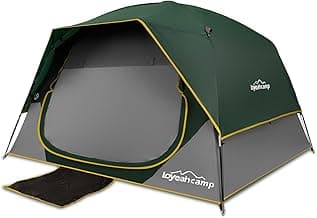
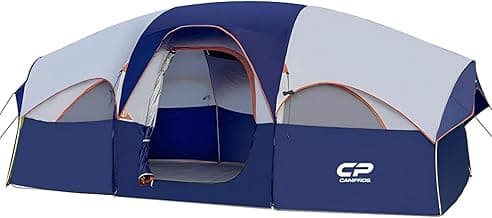
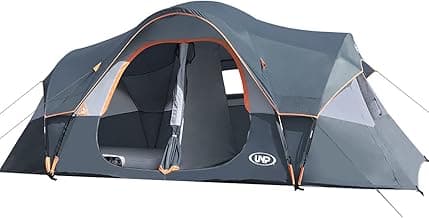
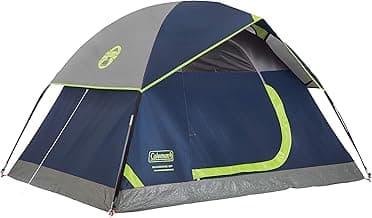
Buying Guide: Choosing the Best Camping Tent for Adults
Many adults heading out for camping trips worry about finding a tent that's spacious enough for comfort but not overly bulky to carry, especially if you're hiking in or car camping with family or friends. This guide breaks down the key factors to consider, helping you match a tent to your specific needs without common pitfalls like overcrowding or weather surprises.
Capacity and Size
Capacity ratings like 4-person or 6-person refer to the number of average adults who can sleep inside, but real-world space matters more for comfort. A 4-person tent often suits two adults with gear, while larger ones handle groups better.
- If you're camping with a partner and moderate gear, aim for a rated capacity one size up from your group.
- Avoid squeezing into the minimum rating—adults need room to move without feeling cramped overnight.
- Check floor dimensions (e.g., 8x8 feet) and peak height (5-6 feet) for sitting up comfortably.
Weight and Portability
For backpacking, every pound counts, but car campers can prioritize space over lightness. Tents weighing under 10 pounds pack small for hikes, while heavier models (20+ pounds) offer more room without hassle.
- If hiking more than a mile, choose ultralight fabrics and fewer poles to stay under 5 pounds per person.
- For car camping, opt for easier-to-carry duffels rather than worrying about weight.
- Test packed size against your backpack or vehicle space before buying.
Weather Resistance and Seasons
Tents are rated by seasons: 3-season for spring-fall (rain, wind) and 4-season for harsh winter conditions. Most adult campers need 3-season protection with hydrostatic head ratings over 1,500mm for the floor and 2,000mm for the rainfly.
- If camping in mild weather, a basic rainfly and sealed seams suffice—avoid cheap tents that leak in light rain.
- For wind or snow, select models with stronger poles (aluminum over fiberglass) and guy lines.
- Always use a footprint to protect the floor from abrasion and moisture.
Setup Ease and Time
Quick setup reduces frustration after a long drive or hike. Look for color-coded poles and clips that assemble in under 10 minutes, ideal for tired adults at dusk.
- If you're new to camping or solo, prioritize freestanding designs that don't require perfect ground staking.
- Avoid complex hub systems if you value simplicity over speed in most cases.
- Practice assembly at home to build confidence and spot issues early.
Ventilation and Comfort Features
Good airflow prevents condensation buildup inside, keeping you dry and comfortable. Tents with multiple No-See-Um mesh panels (for bugs) and adjustable vents work well in humid conditions.
- If summer camping, choose near-full mesh bodies for breeze without sacrificing privacy via a full-coverage rainfly.
- For cooler trips, balance mesh with solid walls to retain warmth.
- Dividers or multiple doors improve access and reduce disturbances for groups.
Durability and Materials
High-denier fabrics (e.g., 68D-150D polyester) and reinforced stress points withstand repeated use. Frames with 8.5mm+ aluminum poles hold up better than thinner fiberglass in wind.
- If roughing it often, invest in ripstop nylon for tear resistance.
- Check warranty lengths—longer ones signal confidence in longevity.
- Avoid the cheapest options; they often fail after one season of adult use.
Price and Value Balance
Tents range from $100 for basics to $500+ for premium features. Most users find good value in the $200-400 range for reliable adult camping.
- If occasional use, mid-range models cover essentials without excess cost.
- For frequent trips, spend more on durability to avoid replacements.
- Weigh total ownership cost—cheaper tents may need frequent repurchasing.
Frequently Asked Questions
What is the best camping tent for adults on a budget?
If you're watching your spending, look for a 4-person tent under $150 that balances waterproofing and durability without skimping on essentials. These options often weigh around 10-15 pounds, making them portable for car camping while holding up in light rain with proper seam sealing. Prioritize models with good ventilation to avoid condensation buildup overnight, ensuring comfort for multiple adults without breaking the bank.
How do I choose a safe camping tent for adults in bad weather?
Safety starts with a tent rated for at least 2,000mm hydrostatic head for rain resistance and sturdy fiberglass poles that flex but don't snap in winds up to 30mph. In most cases, freestanding designs with full rainfly coverage keep you dry and secure, especially if guy lines are staked properly. Always check for flame-retardant materials that meet safety standards to minimize risks around campfires.
How easy is it to set up the best camping tent for adults?
Most top-rated adult camping tents use a color-coded pole system or hub design, allowing two people to pitch in under 10 minutes even at dusk. Practice once at home if you're new to it, as clip-on setups beat sleeve designs for speed and fewer frustrations. For larger 6-person models, expect slightly more time, but the payoff is spacious interiors without wrestling tangled poles.
What makes a camping tent efficient for 4 adults?
Efficiency comes from 60-70 square feet of floor space, steep walls for headroom, and multiple doors to reduce tripping over gear. Look for divided gear lofts and ample vestibule space to keep wet boots outside, maximizing livable area without feeling cramped. In practice, these features make mornings smoother, letting everyone pack up quickly after a rainy night.
Which camping tent for adults is best for family car camping versus backpacking?
For car camping with adults or families, opt for heavier 4-6 person cabins with tall centers over 6 feet and roomy floorplans for air mattresses. Backpacking demands ultralight 2-3 person options under 5 pounds with compact packs, sacrificing some space for portability on long hikes. Your choice hinges on transport method—car campers prioritize comfort, while hikers focus on weight savings.
Conclusion
Choosing the best camping tent for adults comes down to balancing space, durability, ease of setup, and weather resistance. Prioritize models that offer ample headroom, sturdy frames, and reliable waterproofing to ensure comfort on any adventure.
With these key factors in mind, you're well-equipped to make a confident decision tailored to your needs. Consider your group's size and typical camping conditions, then select the option that fits best. Your next outdoor trip awaits—get ready to enjoy it fully.