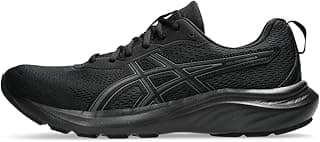
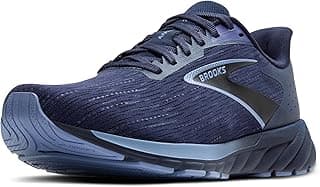
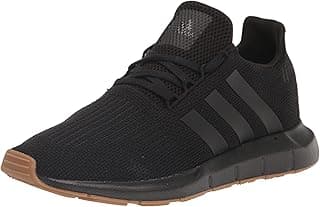
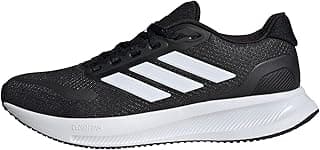
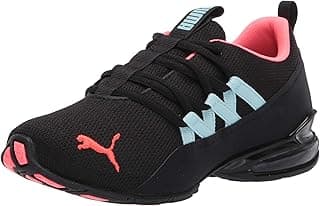
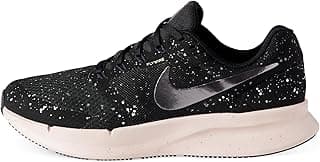
Buying Guide: Best Budget Running Shoes
Shopping for budget running shoes often leaves people wondering if saving money means sacrificing support or comfort, especially when you're logging miles on a tight budget. The good news is that affordable options can perform well for most runners if you focus on a few key factors tailored to your needs.
Shoe Type for Your Running Surface
Your typical terrain plays a big role in how a shoe holds up during real runs. Road runners need smooth outsoles for pavement, while trail users benefit from aggressive treads for grip on uneven ground.
- If you mostly run on pavement or tracks, opt for road running shoes with durable rubber outsoles.
- For dirt paths or light trails, choose trail models with lugs under 4mm to avoid excess weight.
- Avoid hybrid shoes if you're doing one type of running—they often compromise on both.
Cushioning Level for Comfort and Impact
Cushioning absorbs shock from repeated steps, reducing fatigue on longer runs. Too little can lead to sore joints; too much might feel unstable for faster paces.
- For daily training at moderate paces, look for mid-level cushioning around 25-30mm heel stack height.
- If you're a beginner or heavier runner, prioritize higher cushioning to ease impact.
- Test in-store if possible—generally, responsive foam works well in budget pairs without adding bulk.
Fit and Sizing for All-Day Comfort
A poor fit leads to blisters or early wear, even in well-priced shoes. Budget models vary in width and toe box shape, so measure your foot properly.
Go for a thumb's width of space at the toe. If you have wide feet, seek options labeled for broader fits. In most cases, try on late in the day when feet swell for a realistic feel.
Weight to Match Your Running Style
Lighter shoes save energy on speedwork, but heavier ones offer more stability for casual jogs. Budget shoes often weigh between 8-10 ounces per shoe, which suits most users.
- If you run short distances or intervals, aim under 9 ounces.
- For longer, easier runs, slightly heavier builds provide durability without slowing you down much.
- Avoid the lightest options if stability is a concern—they can wear faster on rough surfaces.
Durability and Expected Lifespan
Budget shoes typically last 300-500 miles with proper care, but cutting corners on materials shortens this. Check for reinforced heels and midsoles that resist compression.
Rotate pairs if you run frequently to extend life. In most cases, darker colors hide wear better, and mesh uppers should feel sturdy, not flimsy.
Drop Height for Natural Stride
Heel-to-toe drop affects your gait—lower drops encourage midfoot landing, while higher ones suit heel strikers. Budget shoes range from 4-12mm.
- If you're transitioning to forefoot running, try 4-8mm drops.
- For traditional heel striking, 8-12mm feels more familiar and supportive.
- Match your natural stride to avoid strain—most beginners do well with around 10mm.
Breathability and Climate Considerations
Good airflow keeps feet cool and dry, preventing hotspots on warm runs. Budget engineered mesh usually performs adequately without premium price tags.
In hot weather, prioritize vented uppers. For colder conditions, thicker linings add warmth without bulk. Generally, this feature doesn't add much cost in affordable lines.
Best Budget Running Shoes FAQ
What are the best budget running shoes under $80?
If you're hunting for top affordable running shoes under $80, look for models with good cushioning and breathable uppers that hold up for daily runs. In most cases, these options provide solid support without skimping on comfort, often lasting 300-400 miles with regular use. Prioritize pairs with flexible soles if you run on varied surfaces to avoid early wear.
Are cheap running shoes safe for daily training?
Budget running shoes can be safe for daily training if they offer decent arch support and a stable heel counter to prevent slips or twists. Many affordable pairs use EVA foam midsoles that absorb impact well enough for runners under 180 pounds, reducing injury risk on pavement or trails. Always replace them every 400 miles or when the cushion feels flat to maintain safety.
How do I know if budget running shoes are worth the low price?
Budget running shoes prove their value when they balance lightweight design with durability, letting you log miles without quick breakdowns. Check for reinforced toe boxes and grippy outsoles, which in testing handle wet conditions better than expected for the cost. They're ideal if your weekly mileage stays under 20 miles, offering efficiency without premium pricing.
What should I consider when comparing affordable running shoes?
When comparing cheap running shoes, focus on stack height for cushioning versus drop for your gait—lower drops suit heel strikers, while higher stacks help forefoot landers. Weigh options by breathability ratings and weight per shoe; lighter pairs under 9 ounces boost efficiency on long runs. User feedback often highlights how well they fit wide feet compared to pricier neutral trainers.
Do inexpensive running shoes last as long as expensive ones?
Affordable running shoes typically last 300-500 miles, depending on your running surface and body weight, which is sufficient for casual runners. They may compress faster on rough trails but hold up well on roads if you rotate pairs. To extend life, air them out after wet runs and avoid machine drying.
Conclusion
Finding the best budget running shoes comes down to balancing cushioning, durability, and fit within your price range. Prioritize models that offer solid support for your running style and terrain, ensuring they hold up over miles without breaking the bank.
With the right choice, you can run comfortably and confidently without compromise. Take a moment to match your needs with the top options reviewed, and step into your next run with peace of mind.