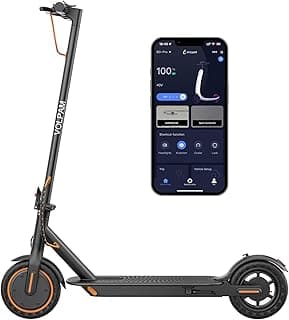
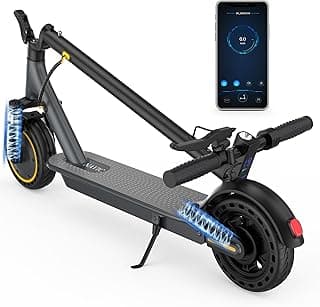
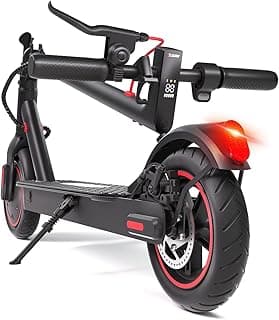
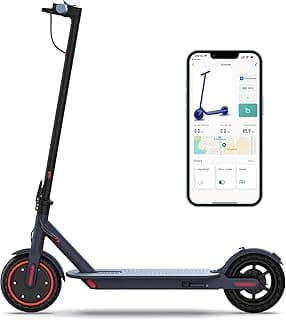
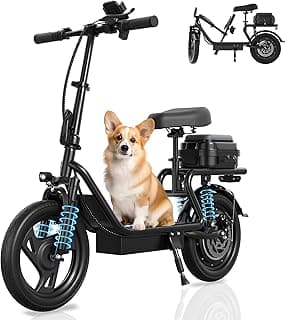
Buying Guide: Finding the Best Budget Electric Scooters
Many people shopping for budget electric scooters worry about getting something cheap that breaks quickly or feels unsafe on the road. The good news is that with a few key checks, you can find reliable options under $500 that handle daily commutes without major headaches.
Range and Battery Life
Range determines how far you can go on a single charge, which matters most for your typical trips. For short urban rides under 10 miles, a 15-20 mile range works well in most cases.
- If you ride longer distances or carry extra weight, aim for at least 20 miles to avoid frequent recharges.
- Avoid models under 10 miles unless your use is very limited, as real-world factors like hills cut range by 20-30%.
Motor Power and Speed
Motor power affects hill-climbing and acceleration, while top speed impacts how practical the scooter feels in traffic. A 250-350W motor suits flat areas, reaching 15-20 mph for most users.
- Choose 350W+ if you face inclines or need quicker starts, but skip high speeds over 25 mph on budget models—they often compromise stability.
- Test for smooth throttle response; jerky acceleration signals lower quality.
Weight and Portability
A lighter scooter is easier to carry up stairs or store in small spaces, which helps if you use public transit. Budget models typically weigh 25-35 pounds, balancing portability and strength.
- Opt for under 30 pounds for frequent folding and carrying; heavier ones suit dedicated storage.
- Check foldable designs with secure latches to prevent wobbling during transport.
Build Quality and Tires
Durable frames and tires withstand daily wear, potholes, and weather. Solid or pneumatic tires under 8-10 inches offer decent shock absorption on budget scooters.
- Pneumatic tires provide smoother rides but need occasional inflation; solid tires require less maintenance.
- Look for aluminum frames and reinforced welds—if parts feel flimsy, they may fail after a few months.
Safety Features
Safety reduces risks on busy streets, especially for beginners. Dual brakes, bright lights, and reflectors are common in good budget picks.
- Prioritize disc or electronic brakes that stop reliably within 10-15 feet from 15 mph.
- If riding at night, ensure front and rear lights plus turn signals; add reflective gear for extra visibility.
Water Resistance and Durability
Waterproofing protects against rain or puddles, extending the scooter's life. Look for at least IP54 ratings on budget models.
- IP54 handles light splashes; avoid lower ratings if you ride in wet conditions.
- Store indoors and cover during heavy rain to minimize wear, regardless of rating.
Charging Time and Cost
Quick charging fits busy schedules, and low costs keep ownership affordable. Expect 4-6 hours for a full charge on budget batteries.
- Factor in electricity use—around $0.05-0.10 per charge—far cheaper than gas for short trips.
- Choose removable batteries if possible for easier overnight charging indoors.
Frequently Asked Questions About Budget Electric Scooters
What is the best budget electric scooter under $500?
In most cases, the top budget electric scooters under $500 offer a solid 15-20 mile range and speeds up to 15 mph, making them ideal for short commutes or campus rides. Look for models with at least 250W motors and 8.5-inch pneumatic tires for better stability on uneven paths. Prioritize ones with UL-certified batteries to ensure they last longer without safety issues.
Are affordable electric scooters safe for daily use?
Yes, many budget electric scooters are safe if they include features like front and rear lights, dual brakes, and anti-slip decks, which help prevent accidents during evening rides or wet conditions. Always wear a helmet and check tire pressure before each use to minimize risks. Models with IP54 water resistance hold up better in light rain, but avoid puddles to protect the electronics.
How easy is setup for cheap electric scooters?
Most budget electric scooters arrive 95% assembled, requiring just attaching the handlebars and folding mechanisms, which takes under 10 minutes with included tools. Charge the battery fully for 4-6 hours before first use, and download any companion app for speed settings if available. If you're not handy, watch a quick unboxing video for step-by-step guidance—no advanced skills needed.
What range and battery life can I expect from entry-level electric scooters?
Entry-level electric scooters typically deliver 12-18 miles per charge on a single battery pack, depending on your weight, terrain, and speed—flatter paths extend range the most. A 36V battery recharges in 4-5 hours via standard outlets, perfect for overnight top-ups. For efficiency, use eco mode and avoid hills to squeeze out extra miles.
How do budget electric scooters compare to pricier models?
Affordable electric scooters match higher-end ones in basic commuting needs like 15 mph speeds and foldable designs, but they often have shorter ranges and less powerful hill-climbing ability. If you stick to flat urban areas under 10 miles daily, a budget option saves hundreds without sacrificing much usability. Splurge only if you need suspension for rough roads or faster acceleration.
Conclusion
When choosing the best budget electric scooters, focus on range, battery life, build quality, and safety features to match your daily needs. These factors ensure reliable performance without breaking the bank.
You now have the insights to make a smart, informed decision. Rest assured, the right model will deliver great value and convenience for commuting or fun rides. Take a moment to pick the one that fits your lifestyle best and get rolling today.