
Buying Guide: Best Bidet Attachments for Toilets
Many people hesitate to try bidet attachments for toilets due to worries about complicated installation or unreliable performance in daily use. In reality, most models install in under an hour with basic tools, and focusing on a few key factors helps you pick one that fits your routine without surprises.
Water Pressure and Spray Control
Water pressure determines how effective and comfortable the cleaning feels during use. Too weak, and it barely works; too strong, and it can feel harsh, especially for sensitive users.
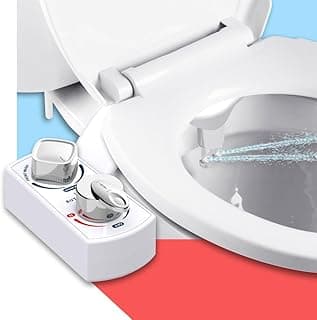
- Look for adjustable pressure settings, ideally with 3–5 levels, to customize for front or rear wash.
- If you have low household water pressure, choose models with a booster pump for consistent performance.
- Avoid fixed-pressure options unless your bathroom water line delivers steady 20–40 PSI.
Nozzle Design and Self-Cleaning Features
The nozzle is the part that touches water and your skin, so its material and cleaning mechanism affect hygiene and longevity. Stainless steel nozzles resist buildup better than plastic ones.
- Opt for retractable or self-cleaning nozzles that rinse before and after each use to minimize bacteria.
- For households with kids or elderly users, prioritize wider spray patterns or oscillating sprays for gentler coverage.
- If hard water is an issue in your area, select models with removable nozzles for easy manual cleaning.
Installation Ease and Compatibility
Most bidet attachments connect to your existing toilet water line, but compatibility with your toilet model prevents leaks or fit problems.
- Check if it fits elongated or round bowls—most work with both, but measure your toilet seat first.
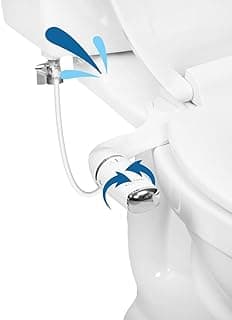
- You'll need a T-valve adapter; choose one with a metal shut-off for durability over plastic.
- If you're not handy, pick attachments with included wrenches and step-by-step instructions—installation typically takes 15–30 minutes without plumbing expertise.
Power Source and Remote Features
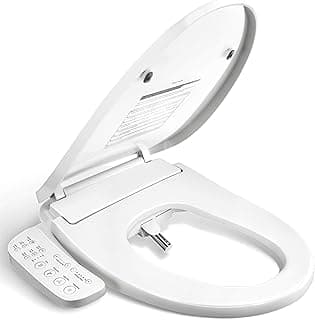
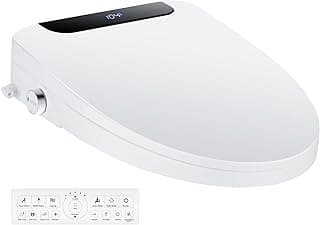
Non-electric models rely on water pressure alone, while electric ones add features like heated seats or air drying, but they need an outlet nearby.
- For simple setups, go non-electric if no outlet is within 4 feet of the toilet.
- If you want warmth or drying, select electric with a side-mounted control panel—avoid remotes if moisture is a concern in humid bathrooms.
- In most cases, non-electric suffices for basic cleaning, saving on electricity costs.
Build Quality and Warranty
Durable materials ensure the attachment withstands daily use without cracking or leaking after a few months.
ABS plastic bodies with metal fittings hold up well, and a 1–2 year warranty covers manufacturing defects.
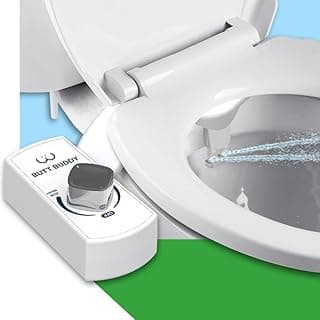
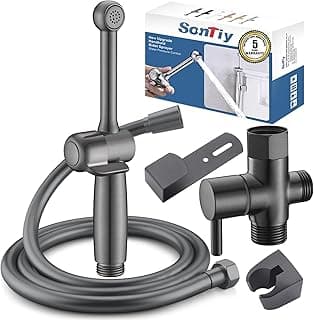
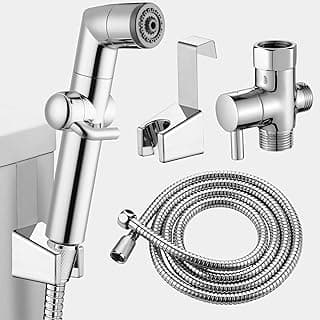
- Feel for sturdy construction in product images, and read user feedback on long-term reliability.
- If you live in a hard water area, choose corrosion-resistant parts to extend lifespan.
Additional Comfort Features
Extras like warm water or deodorizers enhance comfort but add cost—prioritize based on your needs.
- Heated water is helpful in cold climates; instant heaters avoid tank warm-up delays.
- Air drying reduces paper use, but pair it with good absorption towels for best results.
- For shared bathrooms, adjustable positions via remote or dial prevent readjustments.
FAQ: Best Bidet Attachments for Toilets
How much do good bidet attachments for toilets cost?
Expect to pay between $30 and $150 for reliable bidet attachments, depending on features like adjustable pressure and self-cleaning nozzles. Basic models under $50 work well for everyday use without frills, while those around $100 offer better water efficiency and durability. In most cases, spending a bit more avoids frequent replacements and ensures consistent performance over years of use.
Are bidet toilet attachments safe to use daily?
Yes, most bidet attachments are designed with safety in mind, featuring non-electric operation and materials that resist bacterial growth if cleaned regularly. Look for models with gentle pressure controls to avoid discomfort, especially for sensitive skin. If you have mobility issues, choose ones with easy-reach knobs to prevent straining during adjustments.
How easy is installation for bidet attachments on standard toilets?
Installation typically takes 10-20 minutes with basic tools like a wrench and screwdriver, connecting directly to your existing water supply line behind the toilet. No plumbing expertise is needed in most cases, as they include all necessary adapters for standard setups. Watch for a snug T-valve fit to prevent leaks, and test the water flow right after setup.
What makes one bidet attachment more efficient than another?
Efficiency comes down to water usage—top attachments use under 0.5 ounces per second, saving on bills compared to toilet paper alone. Models with precise spray angles and quick-dry options reduce mess and waste during use. If you're in a hard-water area, pick ones with removable nozzles for easy descaling to maintain strong performance over time.
How do non-electric bidet attachments compare to electric ones?
Non-electric attachments are simpler, cheaper to buy and run with no power needed, making them ideal for renters or basic hygiene upgrades. Electric versions add heated seats and air drying for more luxury, but they cost more upfront and require an outlet nearby. For most households, a quality non-electric model matches 80% of the comfort without the extra maintenance hassles.
Conclusion
Choosing the best bidet attachments for toilets comes down to factors like spray adjustability, ease of installation, and water efficiency. We've covered the key features that deliver reliable performance and comfort without hassle.
With options suited to different needs and budgets, you're well-equipped to make a confident decision. Consider your priorities—such as nozzle cleaning or remote controls—and select the model that fits your routine best. Upgrading your bathroom experience starts with one simple attachment.