
Buying Guide: Finding the Right All-Terrain Electric Scooter for Your Needs
Choosing among the best all terrain electric scooters can feel overwhelming when you're picturing rough trails, steep hills, or daily commutes mixed with off-road adventures. Many buyers worry about getting stuck on uneven ground or dealing with scooters that underperform in real conditions. This guide breaks down the key factors to focus on, helping you match a scooter to your typical rides without common pitfalls.
Motor Power and Torque
Motor power determines how well a scooter handles inclines, mud, or gravel—crucial for all-terrain use where flat pavement isn't the norm. Look for at least 500W nominal power, with peak outputs around 1000W or higher for tackling 20-30% grades.
- If your routes include frequent hills or heavy loads, prioritize higher torque ratings for smoother acceleration.
- For mostly flat off-road paths, a mid-range motor suffices and saves on cost.
- Avoid underpowered options under 400W, as they struggle in real terrain, leading to frustrating slowdowns.
Terrain Capability: Tires and Suspension
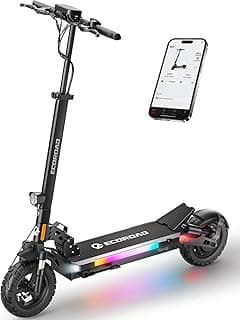
All-terrain scooters shine with features built for bumps and varied surfaces, preventing slips or harsh jolts. Pneumatic tires with deeper treads grip loose dirt or wet grass better than solid ones.
- Opt for 10-inch or larger off-road tires if you ride trails regularly—they absorb shocks and maintain stability.
- Choose dual or adjustable suspension if comfort matters on longer rides; basic spring setups work for lighter use.
- Steer clear of small, street-focused tires, which puncture easily off-pavement and reduce control.
Battery Range and Charging Time
Real-world range varies with terrain, weight, and speed, so plan for 20-40% less than advertised on rough paths. A 48V 15-20Ah battery typically delivers 20-40 miles in mixed conditions.
- If you do long outings, pick swappable batteries to extend rides without downtime.
- For daily use under 15 miles, a standard pack with 4-6 hour charging keeps things practical.
- Test estimated range against your habits—overestimating leads to unexpected walks home.
Weight Capacity and Build Durability
A scooter's frame needs to handle your weight plus gear on uneven ground, where vibrations stress components. Most support 220-330 lbs, but check for reinforced aluminum or steel builds.
- If you're over 250 lbs or carry loads, choose higher-rated models to avoid frame flex or motor strain.
- For lighter riders on casual trails, standard builds offer good value without excess bulk.
- Inspect for IP-rated water resistance (like IP54 or higher) to withstand splashes or light rain common in off-road scenarios.
Safety Features for Confident Riding
Safety reduces worries on unpredictable terrain, with features like reliable brakes and lights making a difference in low-visibility conditions. Dual disc or drum brakes provide stopping power in wet or muddy stops.
- Prioritize scooters with front and rear lights, reflectors, and disc brakes if you ride at dusk or in groups.
- Look for UL-certified batteries to minimize fire risks—peace of mind for storage and travel.
- If speed control is a concern, models with throttle locks or beginner modes help ease into all-terrain riding.
Portability, Folding, and Cost Considerations
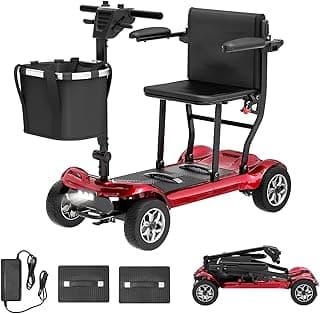
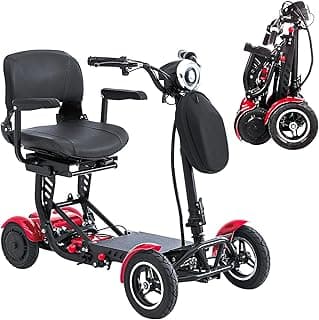
Even rugged scooters should fold for storage or transport, balancing off-road prowess with everyday practicality. Aim for under 50 lbs if you'll lift it often.
- For commuters who store in apartments, quick-fold designs under 45 lbs make life easier.
- Budget $800-$2000 for reliable all-terrain performance; cheaper ones often cut corners on motors or batteries.
- Weigh total ownership—energy-efficient models lower long-term costs, especially with removable batteries.
By evaluating these factors against your riding style—whether weekend trails or mixed urban adventures—you'll land on an all-terrain electric scooter that delivers reliably without surprises. Start with your most common terrain and build from there.
Frequently Asked Questions About All-Terrain Electric Scooters
What is the typical cost of the best all-terrain electric scooters?
All-terrain electric scooters generally range from $800 to $2,500, depending on features like motor power, battery capacity, and rugged build quality. If you're tackling rough trails regularly, expect to pay more for models with larger tires and higher ground clearance that hold up over time. In most cases, spending around $1,200 gets you a reliable option without unnecessary extras.
Are all-terrain electric scooters safe for off-road use?
Safety on all-terrain electric scooters comes down to hydraulic brakes, wide pneumatic tires for stability, and a sturdy frame that handles bumps without wobbling. Always wear a helmet and protective gear, especially on uneven terrain, and check local laws for off-road riding. Models with IP-rated water resistance and suspension perform best in real-world muddy or rocky conditions, reducing accident risks.
How much assembly is required for all-terrain electric scooters?
Most all-terrain electric scooters arrive 85-95% pre-assembled, so you'll just need to attach the handlebars, fold out the stem, and secure a few screws—typically a 10-20 minute process with basic tools like an Allen wrench. No advanced skills are needed, and instructions are straightforward. If you're new to this, watch a quick video tutorial to avoid common mix-ups like loose stem clamps.
What range and efficiency can I expect from rugged electric scooters on varied terrain?
On flat pavement, top all-terrain models deliver 25-40 miles per charge, but off-road efficiency drops to 15-25 miles due to higher resistance from knobby tires and inclines. Factors like rider weight, speed, and terrain play a big role, so a 48V battery with 15-20Ah capacity offers practical real-world range for daily adventures. Charge fully before long rides and avoid full throttle to maximize battery life.
How do all-terrain electric scooters compare to standard commuter models?
All-terrain scooters stand out with larger 10-12 inch tires, stronger motors (often 1000W+), and full suspension for handling dirt paths and hills, while commuter models prioritize lightweight portability and smooth city streets. If you mostly ride pavement, a commuter scooter saves money and weighs less, but for trails, the rugged build justifies the extra cost and bulk. Consider your primary terrain to pick the right fit without overpaying for unused features.
Conclusion
Choosing the best all terrain electric scooters comes down to balancing motor power, rugged tires, battery life, and build quality for your adventures. Prioritize models with strong torque for hills, ample suspension for rough paths, and reliable range to keep you moving.
With these factors in mind, you're equipped to make a smart decision that matches your needs and terrain. Take a moment to compare specs, and pick the one that fits your lifestyle best for confident, off-road exploration.