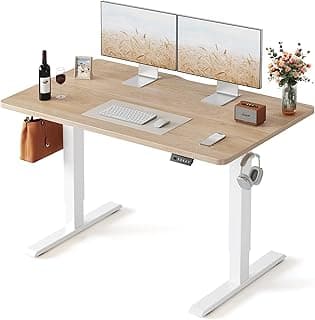
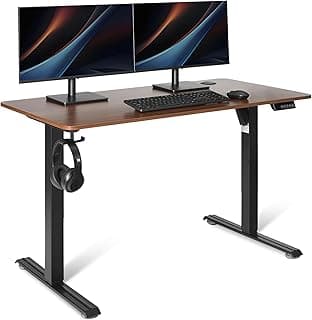
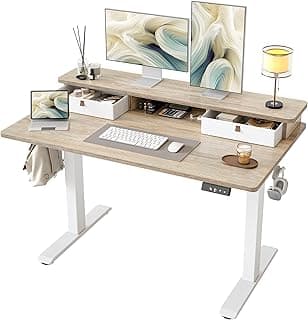
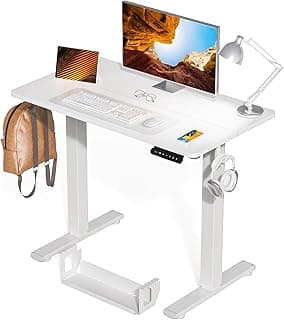
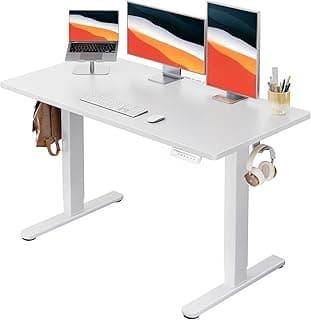
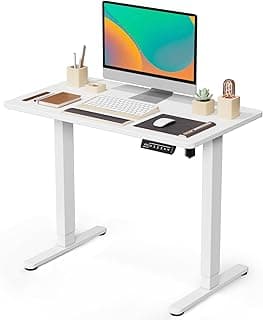
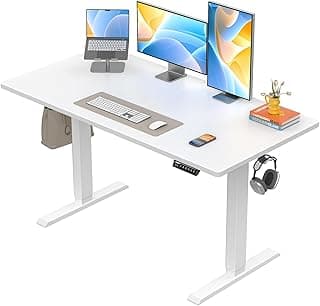
Buying Guide: Best Affordable Standing Desks
Many people shopping for affordable standing desks worry about getting stuck with something unstable, hard to set up, or not worth the price. The good news is that with a few key checks, you can find options that hold up well in daily use without breaking the bank.
Height Range and Adjustability
Height range determines if the desk fits your body comfortably for both sitting and standing. Most users need at least 25 to 50 inches to accommodate different postures without strain.
- If you're under 5'4", prioritize models with a lower minimum height to avoid stretching.
- Taller users over 6'2" should look for a maximum near 50 inches or higher.
Avoid fixed heights; go for desks with smooth presets or memory settings if you switch positions often.
Weight Capacity and Stability
Weight capacity matters for supporting your monitor, keyboard, and gear without wobbling. Aim for at least 100–150 pounds for typical setups to prevent tipping during use.
- For light loads like a laptop, 100 pounds works fine.
- If you have multiple screens or heavy items, choose 150 pounds or more.
Test stability by checking reviews for real-world shake tests; cheaper models often falter under full load.
Desktop Size and Shape
The surface size affects how much you can spread out. A 48x24-inch top suits most home offices, balancing space and fit under standard desks.
- Opt for rectangular shapes if you need straight edges for monitors.
- L-shaped or larger tops help if multitasking with papers or dual screens.
Avoid anything under 40 inches wide unless space is very tight, as it cramps workflow.
Motor Type and Speed
Electric motors offer effortless adjustment, while manual ones save money but take effort. Electric models typically adjust in under 10–20 seconds.
- Choose single-motor for basic needs; dual-motor for smoother, heavier lifts.
If you change heights frequently, electric is worth the extra cost. Manual crank desks suit occasional users on a tight budget.
Build Quality and Materials
Durable materials like steel frames and laminate tops resist scratches and sagging over time. Look for powder-coated finishes to avoid rust in humid areas.
Avoid thin particleboard tops that warp; solid options hold up better for 5+ years of daily use.
Check frame thickness—1.5-inch legs provide better support than slimmer ones.
Assembly and Setup Ease
Most affordable desks arrive in boxes and assemble in under 30–60 minutes with basic tools. Clear instructions reduce frustration.
- If you're not handy, pick models with pre-drilled holes and minimal parts.
- Some include setup videos for guidance.
Don't fear assembly—it's simpler than furniture like beds, and two people make it quicker.
Noise Level and Power Needs
Quiet operation keeps distractions low, especially in shared spaces. Good motors hum under 50 decibels, like a soft conversation.
Electric desks need a standard outlet; ensure cord length reaches without clutter. Battery backups add flexibility but raise cost.
For quiet offices, avoid noisy budget motors that buzz loudly.
Cost and Long-Term Value
Affordable often means $150–$400, balancing features without premium pricing. Factor in warranty—5 years on frame beats shorter ones.
If you stand most of the day, invest toward the higher end for reliability. For occasional use, basic models deliver solid value.
Frequently Asked Questions About Affordable Standing Desks
What is the best price range for an affordable standing desk?
Affordable standing desks typically start around $150 and go up to $400, offering solid height adjustment and stability without breaking the bank. In most cases, you'll get electric motors and decent weight capacity in this range, making them practical for home offices. If you're on a tighter budget, look for manual crank models under $200 that still deliver good value for daily use.
Are budget standing desks safe to use?
Yes, most affordable standing desks include safety features like anti-collision sensors that stop the desk if it hits an obstacle during adjustment. Stability is key—choose models with wide bases and crossbars to prevent wobbling, especially at full height. Always check weight limits and secure cables to avoid tripping hazards for peace of mind.
How easy is it to set up a cheap standing desk?
Assembly usually takes 30-60 minutes with basic tools like a screwdriver, and instructions are straightforward for most budget models. If you're not handy, opt for desks with fewer parts or pre-assembled tops to cut down time. Common pitfalls include tightening bolts evenly to ensure smooth height changes right away.
How do affordable standing desks compare to pricier options?
Budget standing desks often match higher-end ones in height range (about 25-50 inches) and quiet operation, but may have slightly less smooth motors or memory presets. For everyday use like working 4-6 hours alternating positions, the differences are minimal unless you need heavy-duty builds over 200 pounds. They're a smart choice if value and core functionality matter most over premium finishes.
Do inexpensive standing desks really improve productivity?
Switching positions throughout the day on an affordable standing desk can reduce back strain and boost focus, with many users reporting fewer aches after a week. Efficiency comes from easy one-touch adjustments that encourage movement without disrupting workflow. If you pair it with a footrest or monitor arm, you'll maximize comfort and output even on a budget.
Conclusion
In summary, the best affordable standing desks balance stability, adjustability, and build quality without breaking the bank. Focus on models with smooth height transitions, spacious surfaces, and reliable motors to match your workspace needs and budget.
Choosing the right one is straightforward when you prioritize these essentials—rest assured, you'll find a durable option that enhances your productivity and health. Take a moment to select the model that fits your setup best and elevate your workday today.