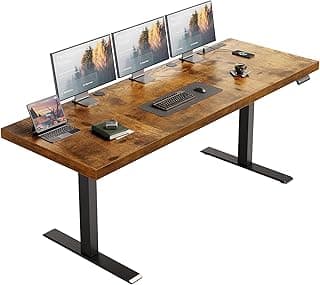
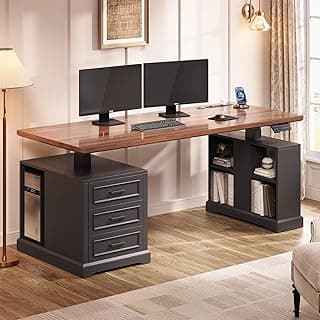
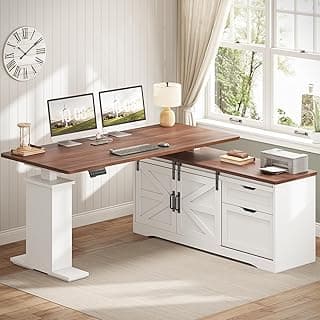
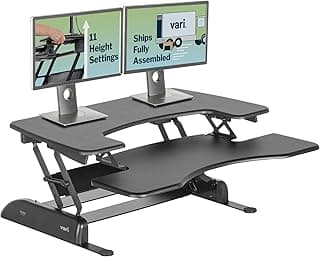
Buying Guide: Finding the Right Adjustable Standing Desk for You
Many people start shopping for adjustable standing desks feeling overwhelmed by options and unsure if they'll actually use one daily. The good news is that focusing on a few practical factors can help you pick a model that fits your routine, without overcomplicating the decision or worrying about hidden pitfalls.
Height Range
Height range determines how well the desk adapts to sitting and standing positions for your body. If you're under 5'4" or over 6'4", look for desks with extended ranges like 25–50 inches to avoid hunching or stretching.
- Standard ranges (28–48 inches) work for most users in typical office setups.
- Check programmable presets—if you switch positions often, 4+ presets make adjustments quicker and more consistent.
Avoid narrow ranges unless your height falls squarely in the middle, as they limit long-term comfort.
Weight Capacity and Size
Weight capacity affects stability when loaded with monitors, laptops, and accessories. For most users, 150–200 pounds handles everyday setups without wobbling.
- Choose at least 24x48 inches for dual monitors; smaller sizes suit single-screen or laptop use.
- If you have heavy equipment, opt for 250+ pounds capacity to prevent sagging over time.
Test stability in real use—desks that feel shaky under load rarely improve with time.
Lift Mechanism: Electric vs. Manual
Electric motors offer smooth, effortless adjustments, ideal if you change positions multiple times a day. Manual crank models save on cost but require more effort.
- Go electric if ease matters—look for dual motors for even lifting and speeds of 1.5+ inches per second.
- Manual works if budget is tight and you adjust infrequently, but test cranking resistance first.
In most cases, electric simplifies daily habits without much added expense.
Build Quality and Stability
A sturdy frame prevents swaying during typing or leaning. Steel construction generally holds up better than mixed materials for frequent use.
- Seek anti-collision sensors to stop the desk if it hits obstacles, reducing damage risk.
- Crossbar designs add rigidity for larger tops—avoid flimsy legs if your space sees heavy daily traffic.
If your setup involves movement, prioritize desks tested for 50,000+ lift cycles to ensure durability.
Noise Level and Power Needs
Quiet operation matters in shared spaces. Most electric desks hum at under 50 decibels, similar to a whisper.
- Avoid louder models if working from home with family nearby.
- Check for standard outlets—many plug into any wall socket, no special wiring needed.
Battery backups are handy for outages but rarely essential for plugged-in desks.
Assembly and Desk Surface
Setup is straightforward for most, taking 30–60 minutes with basic tools. Pre-assembled options cut time if DIY isn't your thing.
- Laminate tops resist spills; bamboo adds natural feel but needs care.
- Ensure cable management trays are included to keep wires tidy without extra buys.
If installation daunts you, confirm return policies—many allow testing post-setup.
Cost vs. Long-Term Value
Prices range from $200–$1,000+, balancing features and lifespan. Mid-range models often deliver the best reliability for daily drivers.
- Spend more if using 4+ hours standing daily; budget options suffice for occasional switches.
- Factor warranty—5–15 years on the frame signals confidence in build.
Cheaper desks work fine short-term, but investing in adjustability pays off by encouraging healthier habits.
Frequently Asked Questions About Adjustable Standing Desks
What are the best adjustable standing desks for value under $500?
If you're watching your budget, look for height-adjustable standing desks with sturdy steel frames and laminate tops that hold up to 150 pounds without wobbling. In most cases, models around $300–$450 offer smooth electric motors lifting from 25 to 50 inches, perfect for users up to 6'4". They balance cost and daily reliability better than cheaper manual options that jam over time.
Are adjustable standing desks safe for home offices with kids or pets?
Most quality height-adjustable desks include anti-collision sensors that stop the motor if they hit an object, making them safer around children or curious pets. Child-lock features on the control panel prevent accidental adjustments, and rounded edges reduce bump risks. Always secure cables and supervise young kids during setup to minimize any hazards.
How long does it take to install an electric standing desk?
Assembly for a typical adjustable standing desk takes 30–60 minutes with basic tools like a screwdriver and Allen wrench. Start by attaching the crossbar to the legs, then mount the desktop—many come with clear picture instructions and pre-drilled holes. If you're not handy, a second person helps flip the heavy top, but solo installation is doable in under an hour for most users.
How do electric vs. manual adjustable standing desks compare in efficiency?
Electric standing desks win for efficiency with one-touch presets for sitting and standing heights, saving 10–20 seconds per switch compared to cranking a manual lever. They're ideal if you alternate positions 5+ times daily, as the smooth motors reduce strain on your arms. Manual versions cost less upfront but feel clunky for frequent use, especially with heavier loads.
What should I consider when choosing the best adjustable standing desk size?
Match the desk surface to your monitor setup—a 48–60 inch wide top works best for dual screens, while 24–36 inches suits laptops. Ensure the frame adjusts low enough for shorter users (under 5'4") and high for taller ones, with at least 4 inches of legroom clearance. Prioritize cable management trays to keep your workspace efficient during long workdays.
Conclusion
Choosing the best adjustable standing desks comes down to height range, stability, and ease of use. Prioritize models with smooth motor adjustments, sturdy builds, and ample workspace to match your needs, whether for home or office setups.
With the right desk, you'll enjoy better posture, increased energy, and productivity without hassle. Take a moment to assess your space and habits—selecting the ideal one builds lasting confidence in your workday wellness.